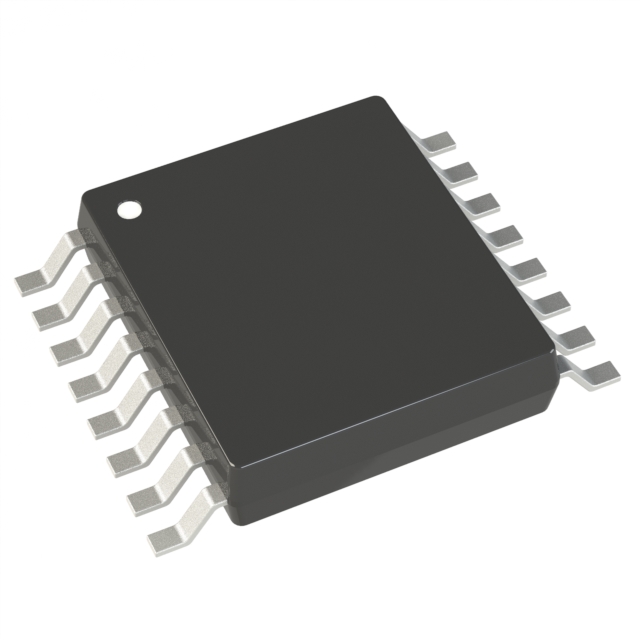



The most explosive news in the semiconductor market for 2026 is undoubtedly TI's new round of chip price hikes—officially announced to comprehensively increase prices by 15%-85% starting
April 1st, covering core categories such as digital isolators and power management ICs. This is also TI's second large-scale price adjustment within the year, directly stirring the nerves of the entire
chip trading market.
The entire end market has been thrown into chaos. As soon as the price hike notice was issued, TI's products were being loaded onto trucks and moved out in boxes. Some are stockpiling and
speculating, while end customers fear they won't get their share of production capacity. A single price hike notice has shaken the entire market. Compared to previous price increases, the
maximum hike of 85% is one of the highest in nearly a decade, making such a significant adjustment a cause for concern among end customers.
And in this wave of price hikes, have you boarded the train?
Unlike previous minor price adjustments, this TI price hike is an inevitable trend, a last resort. Behind it lies the combined force of cost, demand, and supply factors. The production capacity of
8-inch wafers continues to shrink, with a year-on-year global capacity reduction of 2.4%, while over 70% of analog chips rely on this mature process, and foundry prices have cumulatively
increased by 25%. The prices of key raw materials such as silver and copper have soared, further driving up packaging costs, forcing manufacturers to raise prices due to cost pressures. At the
same time, the demand in AI servers, new energy vehicles, and industrial control fields has exploded, with the analog chip usage per AI server being 2-3 times that of traditional models, making
price hikes inevitable due to supply-demand imbalances.
More crucially, this is not just TI's solo act but a collective carnival for the entire analog chip industry. ADI had already initiated a full range of price increases in February, followed by NXP and
ON Semiconductor. Domestically, companies like Shengbang Co., Ltd. and Naxin Micro have also quietly increased prices by 5%-20%, forming a price hike pattern of "overseas leading, domestic
following," officially ushering the industry into a cycle of "volume and price increase + pattern reconstruction."
The current market has long been divided into two major camps: the clear-headed who have laid out their plans early, quietly making profits, and silently stockpiling; there are also many hesitant
ones who are watching and waiting, only to chase the price increase or miss out on the profit. It should be noted that although TI's inventory remains high, most of it is for long-term orders and
project-specific materials. After the deep destocking from 2023 to 2024, channel inventory is at a low level, with delivery times for tight models extended to 16-26 weeks, and some even
exceeding 30 weeks. The spot market price is poised to rise at any moment. Those traders who have locked in futures and prepared stocks in advance have already secured a stable profit margin
of 10%-20%, while those waiting for the price hike to enter will not only face higher purchase costs but also bear the risk of shortages.
Many people are struggling: is it too late to get on the train now? The answer is: seize the last window period, and there is still a chance to get a share of the profit, but avoid blindly following
the trend. A more secure approach is to lock in the core material numbers of your clients. Avoid stockpiling goods that cannot be sold, tying up funds in goods, and facing the risk of a capital
chain break. Or, lock in higher-value products, such as some chips in the industrial control category that have increased by over 85%, and automotive-grade chips that have increased by
15%-60%, making them the core choices for stocking. However, for consumer electronics chips, inventory is relatively high, and demand is weak, so caution is needed to avoid pitfalls.
The core logic of chip trading has always been "going with the trend and planning ahead." The 2026 price hike is not a short-term fluctuation but a signal of the industry cycle reversal.
The essence of TI's price hike is to abandon the price war and shift towards prioritizing profits, while also making room for domestic chip alternatives. However, in the short term, TI's market
dominance is still hard to shake. For traders and downstream manufacturers, either stock up early to lock in low prices, or connect with the original manufacturers to get project support prices,
or turn to domestic alternatives to reduce costs.
Source of information:Electronics Supply and Manufacturing-China(ESMC)、TrendForce、Snowball