


In March 2026, Micron Technology, the global leader in memory storage, released its fiscal second quarter 2026 earnings report, rewriting the profit records of the semiconductor industry with
a set of explosive data. Its core business, DRAM (Dynamic Random Access Memory), saw a staggering 771% year-on-year increase in net profit for the quarter, with revenues soaring to $18.8
billion. The net profit for the quarter, when converted to Chinese yuan, was nearly 100 billion RMB, hitting an all-time high and equating to over 1 billion RMB in net profit per day, truly living
up to the industry's description of "making money hand over fist." This achievement marked a historical peak and became the most eye-catching profit engine in the current semiconductor
industry recovery, also confirming the explosive growth potential of the memory sector amidst the AI wave.
This stunning performance was not a coincidence but rather the inevitable result of Micron's DRAM business achieving growth in both volume and price, coupled with supply-demand imbalances
and product structure optimization. According to Micron's financial report and industry analysis data, in Q2 of the 2026 fiscal year, Micron's DRAM business revenue increased by 207% year-on-year
and 74% quarter-on-quarter, accounting for 79% of the total company revenue, becoming the absolute pillar of revenue. Meanwhile, the average selling price of DRAM products increased by 65%-67%
quarter-on-quarter, and the bit shipment volume achieved a mid-single-digit growth. The profit elasticity brought by the price increase was fully unleashed, directly driving the overall net profit to
$13.785 billion, a year-on-year increase of 770.8%, close to the widely discussed 771%, equivalent to over $150 million in net profit per day for the quarter.
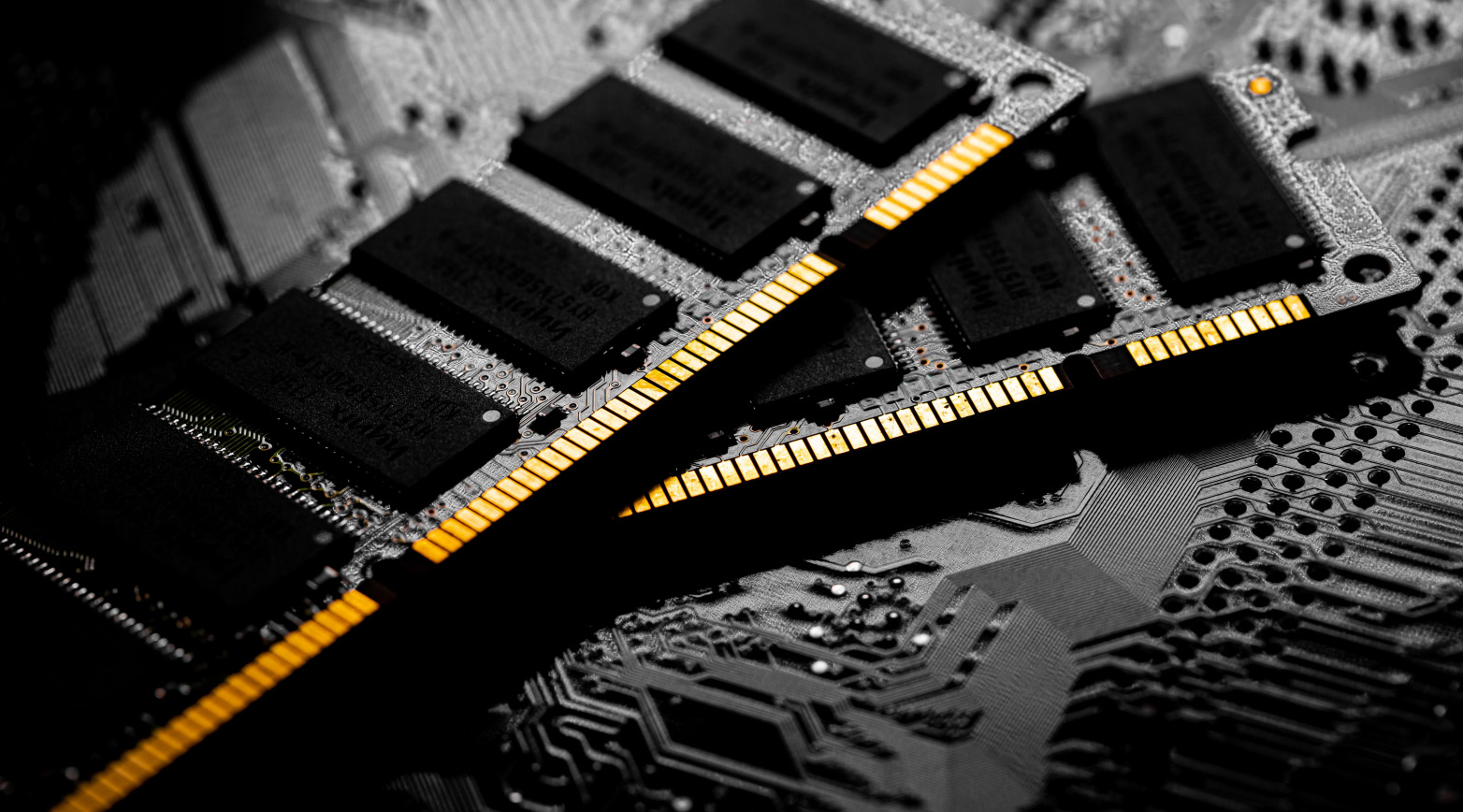
The crazy surge in Micron's DRAM net profit is fundamentally driven by the explosive structural demand arising from the AI computing power boom, which has completely rewritten the cyclical logic of the traditional memory industry. Unlike the past weak cyclical fluctuations driven by consumer electronics such as smartphones and PCs, this round of demand growth is characterized by strong rigidity and sustainability. As generative AI large models shift from training to large-scale inference applications, the widespread implementation of "compute-in-memory" technology has upgraded memory products from cost components to strategic materials for AI infrastructure. The DRAM demand for a single high-end AI server is 8-10 times that of an ordinary server, and the demand for high-bandwidth memory (HBM) and DDR5 and other high-end products is growing exponentially.
The continuous exacerbation of the supply-demand imbalance has further amplified Micron's profit advantages. On one hand, global cloud service providers and AI companies are frantically purchasing high-end DRAM products, with Micron's annual HBM production capacity already fully booked by clients in advance. The revenue of its core data center business has increased by 139% quarter-over-quarter, with a gross profit margin as high as 74%. On the other hand, leading memory manufacturers have collectively shifted over 80% of their advanced production capacity to high-margin AI-specific memory, squeezing traditional DRAM production capacity, leading to persistent inventory shortages in the industry. Micron's DRAM inventory turnover days are below 120, far lower than the industry's safety line, causing pricing power to completely tilt towards the sellers.
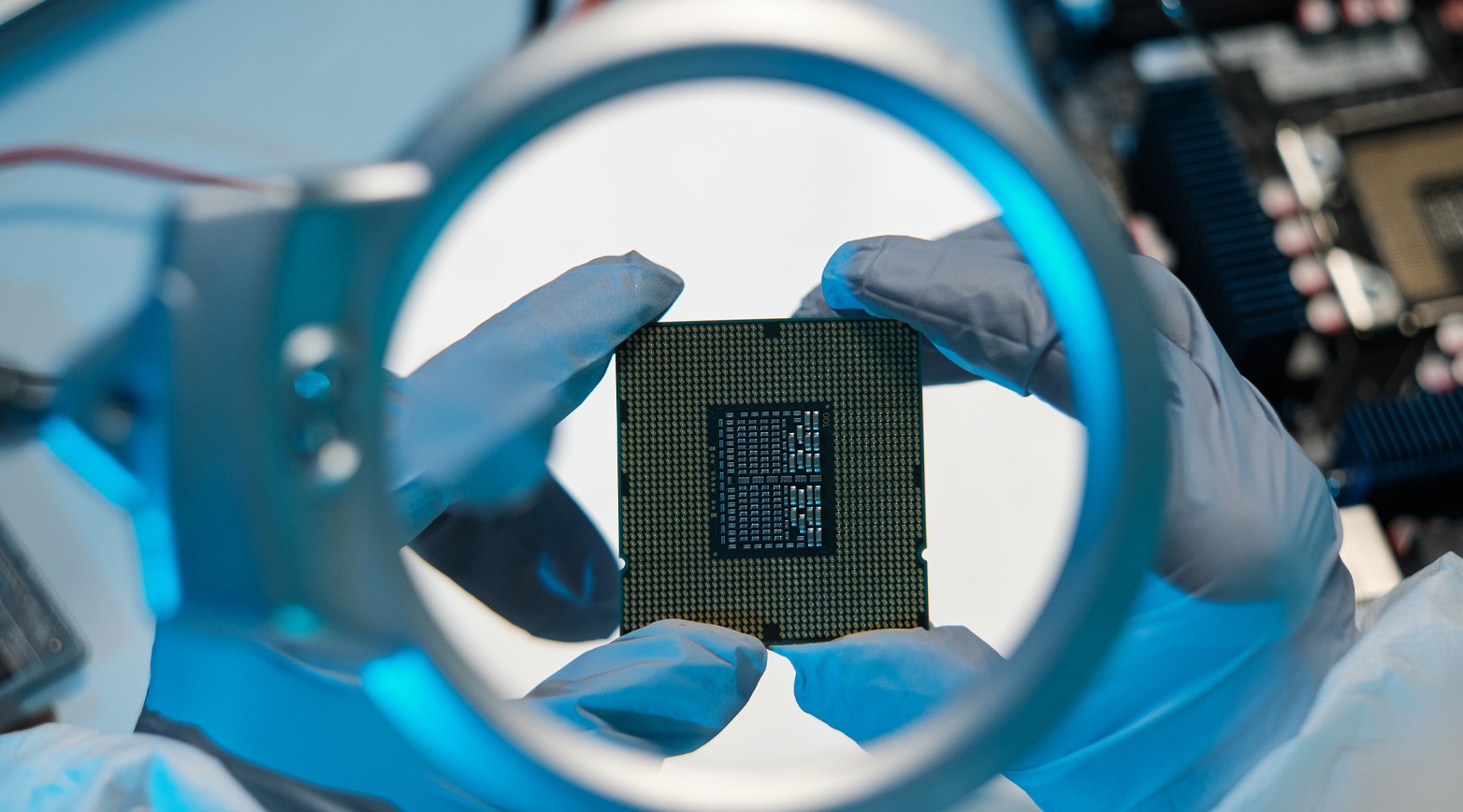
The optimization of the product mix has also injected strong momentum into the surge of net profit. Micron is focusing on high-margin AI-related DRAM products, with the HBM4 chip already in mass production and the next-generation HBM4e product planned for volume production in 2027. The continuous increase in the proportion of high-end products has pushed the gross profit margin of the DRAM business to climb simultaneously. Coupled with the effectiveness of cost control, Micron's overall gross profit margin has soared from 36.8% in the same period last year to 74.4%, approaching 75% on a non-GAAP basis, setting a new record in the company's history.
It is worth noting that Micron's DRAM surge is not an isolated case but a microcosm of the entire memory industry entering a super boom cycle. Currently, the global DRAM supply-demand gap has reached its highest level in nearly 15 years, with inventory at leading manufacturers able to sustain only about 4 weeks, far below the industry's safety line of 8-10 weeks. Analysts have raised their forecast for the average selling price increase of DRAM in 2026 to 88%. During the earnings call, Micron's management explicitly stated that the memory demand growth driven by AI will continue throughout 2026, and there is clear upside potential for DRAM prices. The company has increased its fiscal 2026 capital expenditures to over $25 billion, accelerating wafer fab construction to alleviate production pressure.
From the industry downturn in 2024, with prices halved and the entire industry collectively incurring losses, to now, with net profit skyrocketing by 771% and quarterly revenue nearing $19 billion, Micron's DRAM has completed an extreme cyclical reversal in less than two years. With the continuous boost of the AI wave, the structural dividends of the memory track are far from over. Micron, leveraging its technological accumulation and production capacity advantages in the DRAM field, has already seized the commanding heights of industry development. In the future, its profit performance is still worth market anticipation and will continue to impact the global semiconductor industry chain landscape.
Source of information:Micron Technology FY2026 Q2 Earnings Report、ICSMART、TopBuzz、36kr、CLS.CN