FIRST SHOPPING ORDER
FIRST ORDER
FREE 10% DISCOUNT
EXCLUSIVE TO
NEW CUSTOMERS




Freescale Semiconductor
Alarms, Buzzers, and Sirens
Results:
4093
Filters
-
Stacked
Scrolling
|
Img
|
Pdf
|
Part Number
|
Manufacturers
|
Desc
|
In Stock
|
Packing
|
Rfq
|
||||||||||||||||||||||
|---|---|---|---|---|---|---|---|---|---|---|---|---|---|---|---|---|---|---|---|---|---|---|---|---|---|---|---|---|---|

|

|
56800E - Microcontroller IC 16-Bit 32MHz 32KB (16K x 16) FLASH 64-LQFP (10x10)
|
109
|
64-LQFP
|
|
||||||||||||||||||||||||
|
|
|
ARM920T Microprocessor IC i.MX1 1 Core, 32-Bit 200MHz 225-MAPBGA (13x13)
|
5664
|
225-LFBGA
|
|
||||||||||||||||||||||||
|
|
|
- Microcontroller IC
|
1836
|
|
|||||||||||||||||||||||||
|
|
|
PowerPC e500 Microprocessor IC MPC85xx 1 Core, 32-Bit 1.2GHz 783-PBGA (29x29)
|
8756
|
783-BBGA
|
|
||||||||||||||||||||||||
|
|
|
Amplifier IC
|
1
|
|
|||||||||||||||||||||||||
|
|
|
PowerPC e500v2 Microprocessor IC QorIQ P1 2 Core, 32-Bit 1GHz 689-TEPBGA II (31x31)
|
8
|
689-BBGA Exposed Pad
|
|
||||||||||||||||||||||||
|
|
|
- Microcontroller IC
|
16
|
|
|||||||||||||||||||||||||
|
|
|
e300 MPC51xx Qorivva Microcontroller IC 32-Bit 400MHz ROMless 516-PBGA (27x27)
|
8354
|
516-BBGA Exposed Pad
|
|
||||||||||||||||||||||||
|
|
|
PowerPC e500 Microprocessor IC MPC85xx 1 Core, 32-Bit 800MHz 783-FCPBGA (29x29)
|
9592
|
783-BBGA, FCBGA
|
|
||||||||||||||||||||||||
|
|
|
56800EX 56F8xxx Microcontroller IC 32-Bit 100MHz 32KB (32K x 8) FLASH 32-QFN (5x5)
|
7733
|
32-VFQFN Exposed Pad
|
|
||||||||||||||||||||||||
|
|
|
MSC8122 - PBGA,NOPB,1.1V,105C,40
|
7766
|
431-BFBGA, FCBGA
|
|
||||||||||||||||||||||||
|
|
|
PowerPC e500 Microprocessor IC MPC85xx 1 Core, 32-Bit 1.5GHz 783-FCPBGA (29x29)
|
4074
|
783-BBGA, FCBGA
|
|
||||||||||||||||||||||||
|
|
|
PowerPC - Microcontroller IC 32-Bit 56MHz 1MB (1M x 8) FLASH 388-PBGA (27x27)
|
3408
|
388-BBGA
|
|
||||||||||||||||||||||||
|
|
|
- Microcontroller IC
|
6089
|
|
|||||||||||||||||||||||||
|
|
|
PowerPC e500v2 Microprocessor IC QorIQ P1 1 Core, 32-Bit 667MHz 561-TEPBGA I (23x23)
|
7510
|
561-FBGA
|
|
||||||||||||||||||||||||
|
|
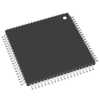
<p><span style="font-size: 18px; font-family: 隶书, SimLi;">HCS12X HCS12X Microcontroller IC 16-Bit 50MHz 256KB (256K x 8) FLASH 80-QFP (14x14)</span></p><p><br/></p><p><span style="white-space: nowrap; font-size: 18px; font-family: 隶书, SimLi;"><br/></span></p><p><span style="font-size: 18px; font-family: 隶书, SimLi;"><strong><span style="font-family: 隶书, SimLi; font-size: 18px; white-space: nowrap;">MC9S12XEP100</span></strong></span></p><p><span style="font-size: 18px; font-family: 隶书, SimLi;"><strong><span style="font-family: 隶书, SimLi; font-size: 18px; white-space: nowrap;">Covers MC9S12XE Family</span></strong></span></p><p><span style="white-space: nowrap; font-size: 18px; font-family: 隶书, SimLi;"><br/></span></p><p><span style="text-decoration: underline; color: rgb(0, 176, 240); font-size: 18px; font-family: 隶书, SimLi;"><strong><span style="font-family: 隶书, SimLi; color: rgb(0, 176, 240); font-size: 18px; text-decoration: underline; white-space: nowrap;">Introduction</span></strong></span></p><p><span style="white-space: nowrap; font-size: 18px; font-family: 隶书, SimLi;">The MC9S12XE-Family of micro controllers is a further development of the S12XD-Family including</span></p><p><span style="white-space: nowrap; font-size: 18px; font-family: 隶书, SimLi;">new features for enhanced system integrity and greater functionality. These new features include a</span></p><p><span style="white-space: nowrap; font-size: 18px; font-family: 隶书, SimLi;">Memory Protection Unit (MPU) and Error Correction Code (ECC) on the Flash memory together with</span></p><p><span style="white-space: nowrap; font-size: 18px; font-family: 隶书, SimLi;">enhanced EEPROM functionality (EEE), an enhanced XGATE, an Internally filtered, frequency</span></p><p><span style="white-space: nowrap; font-size: 18px; font-family: 隶书, SimLi;">modulated Phase Locked Loop (IPLL) and an enhanced ATD. The E-Family extends the S12X product</span></p><p><span style="white-space: nowrap; font-size: 18px; font-family: 隶书, SimLi;">range up to 1MB of Flash memory with increased I/O capability in the 208-pin version of the flagship</span></p><p><span style="white-space: nowrap; font-size: 18px; font-family: 隶书, SimLi;">MC9S12XE100.</span></p><p><span style="white-space: nowrap; font-size: 18px; font-family: 隶书, SimLi;">The MC9S12XE-Family delivers 32-bit performance with all the advantages and efficiencies of a 16 bit</span></p><p><span style="white-space: nowrap; font-size: 18px; font-family: 隶书, SimLi;">MCU. It retains the low cost, power consumption, EMC and code-size efficiency advantages currently</span></p><p><span style="white-space: nowrap; font-size: 18px; font-family: 隶书, SimLi;">enjoyed by users of Freescale’s existing 16-Bit MC9S12 and S12X MCU families. There is a high level of</span></p><p><span style="white-space: nowrap; font-size: 18px; font-family: 隶书, SimLi;">compatibility between the S12XE and S12XD families.</span></p><p><span style="white-space: nowrap; font-size: 18px; font-family: 隶书, SimLi;">The MC9S12XE-Family features an enhanced version of the performance-boosting XGATE co-processor</span></p><p><span style="white-space: nowrap; font-size: 18px; font-family: 隶书, SimLi;">which is programmable in “C” language and runs at twice the bus frequency of the S12X with an</span></p><p><span style="white-space: nowrap; font-size: 18px; font-family: 隶书, SimLi;">instruction set optimized for data movement, logic and bit manipulation instructions and which can service</span></p><p><span style="white-space: nowrap; font-size: 18px; font-family: 隶书, SimLi;">any peripheral module on the device. The new enhanced version has improved interrupt handling</span></p><p><span style="white-space: nowrap; font-size: 18px; font-family: 隶书, SimLi;">capability and is fully compatible with the existing XGATE module.</span></p><p><span style="white-space: nowrap; font-size: 18px; font-family: 隶书, SimLi;">The MC9S12XE-Family is composed of standard on-chip peripherals including up to 64Kbytes of RAM,</span></p><p><span style="white-space: nowrap; font-size: 18px; font-family: 隶书, SimLi;">eight asynchronous serial communications interfaces (SCI), three serial peripheral interfaces (SPI), an 8-</span></p><p><span style="white-space: nowrap; font-size: 18px; font-family: 隶书, SimLi;">channel IC/OC enhanced capture timer (ECT), two 16-channel, 12-bit analog-to-digital converters, an 8-</span></p><p><span style="white-space: nowrap; font-size: 18px; font-family: 隶书, SimLi;">channel pulse-width modulator (PWM), five CAN 2.0 A, B software compatible modules (MSCAN12),</span></p><p><span style="white-space: nowrap; font-size: 18px; font-family: 隶书, SimLi;">two inter-IC bus blocks (IIC), an 8-channel 24-bit periodic interrupt timer (PIT) and an 8-channel 16-bit</span></p><p><span style="white-space: nowrap; font-size: 18px; font-family: 隶书, SimLi;">standard timer module (TIM).</span></p><p><span style="white-space: nowrap; font-size: 18px; font-family: 隶书, SimLi;">The MC9S12XE-Family uses 16-bit wide accesses without wait states for all peripherals and memories.</span></p><p><span style="white-space: nowrap; font-size: 18px; font-family: 隶书, SimLi;">The non-multiplexed expanded bus interface available on the 144/208-Pin versions allows an easy</span></p><p><span style="white-space: nowrap; font-size: 18px; font-family: 隶书, SimLi;">interface to external memories.</span></p><p><span style="white-space: nowrap; font-size: 18px; font-family: 隶书, SimLi;">In addition to the I/O ports available in each module, up to 26 further I/O ports are available with interrupt</span></p><p><span style="white-space: nowrap; font-size: 18px; font-family: 隶书, SimLi;">capability allowing Wake-Up from STOP or WAIT modes. The MC9S12XE-Family is available in 208-</span></p><p><span style="white-space: nowrap; font-size: 18px; font-family: 隶书, SimLi;">Pin MAPBGA, 144-Pin LQFP, 112-Pin LQFP or 80-Pin QFP options.</span></p><p><span style="white-space: nowrap; font-size: 18px; font-family: 隶书, SimLi;"><br/></span></p><p><span style="text-decoration: underline; color: rgb(0, 176, 240); font-size: 18px; font-family: 隶书, SimLi;"><strong><span style="font-family: 隶书, SimLi; color: rgb(0, 176, 240); font-size: 18px; text-decoration: underline; white-space: nowrap;">Features</span></strong></span></p><p><span style="white-space: nowrap; font-size: 18px; font-family: 隶书, SimLi;">• 16-Bit CPU12X</span></p><p><span style="white-space: nowrap; font-size: 18px; font-family: 隶书, SimLi;">— Upward compatible with MC9S12 instruction set with the exception of five Fuzzy instructions</span></p><p><span style="white-space: nowrap; font-size: 18px; font-family: 隶书, SimLi;">(MEM, WAV, WAVR, REV, REVW) which have been removed</span></p><p><span style="white-space: nowrap; font-size: 18px; font-family: 隶书, SimLi;">— Enhanced indexed addressing</span></p><p><span style="white-space: nowrap; font-size: 18px; font-family: 隶书, SimLi;">— Access to large data segments independent of PPAGE</span></p><p><span style="white-space: nowrap; font-size: 18px; font-family: 隶书, SimLi;">• INT (interrupt module)</span></p><p><span style="white-space: nowrap; font-size: 18px; font-family: 隶书, SimLi;">— Eight levels of nested interrupts</span></p><p><span style="white-space: nowrap; font-size: 18px; font-family: 隶书, SimLi;">— Flexible assignment of interrupt sources to each interrupt level.</span></p><p><span style="white-space: nowrap; font-size: 18px; font-family: 隶书, SimLi;">— External non-maskable high priority interrupt (XIRQ)</span></p><p><span style="white-space: nowrap; font-size: 18px; font-family: 隶书, SimLi;">— Internal non-maskable high priority Memory Protection Unit interrupt</span></p><p><span style="white-space: nowrap; font-size: 18px; font-family: 隶书, SimLi;">— Up to 24 pins on ports J, H and P configurable as rising or falling edge sensitive interrupts</span></p><p><span style="white-space: nowrap; font-size: 18px; font-family: 隶书, SimLi;">• EBI (external bus interface)(available in 208-Pin and 144-Pin packages only)</span></p><p><span style="white-space: nowrap; font-size: 18px; font-family: 隶书, SimLi;">— Up to four chip select outputs to select 16K, 1M, 2M and up to 4MByte address spaces</span></p><p><span style="white-space: nowrap; font-size: 18px; font-family: 隶书, SimLi;">— Each chip select output can be configured to complete transaction on either the time-out of one</span></p><p><span style="white-space: nowrap; font-size: 18px; font-family: 隶书, SimLi;">of the two wait state generators or the deassertion of EWAIT signal</span></p><p><span style="white-space: nowrap; font-size: 18px; font-family: 隶书, SimLi;">• MMC (module mapping control)</span></p><p><span style="white-space: nowrap; font-size: 18px; font-family: 隶书, SimLi;">• DBG (debug module)</span></p><p><span style="white-space: nowrap; font-size: 18px; font-family: 隶书, SimLi;">— Monitoring of CPU and/or XGATE busses with tag-type or force-type breakpoint requests</span></p><p><span style="white-space: nowrap; font-size: 18px; font-family: 隶书, SimLi;">— 64 x 64-bit circular trace buffer captures change-of-flow or memory access information</span></p><p><span style="white-space: nowrap; font-size: 18px; font-family: 隶书, SimLi;">• BDM (background debug mode)</span></p><p><span style="white-space: nowrap; font-size: 18px; font-family: 隶书, SimLi;">• MPU (memory protection unit)</span></p><p><span style="white-space: nowrap; font-size: 18px; font-family: 隶书, SimLi;">— 8 address regions definable per active program task</span></p><p><span style="white-space: nowrap; font-size: 18px; font-family: 隶书, SimLi;">— Address range granularity as low as 8-bytes</span></p><p><span style="white-space: nowrap; font-size: 18px; font-family: 隶书, SimLi;">— No write / No execute Protection Attributes</span></p><p><span style="white-space: nowrap; font-size: 18px; font-family: 隶书, SimLi;">— Non-maskable interrupt on access violation</span></p><p><span style="white-space: nowrap; font-size: 18px; font-family: 隶书, SimLi;">• XGATE</span></p><p><span style="white-space: nowrap; font-size: 18px; font-family: 隶书, SimLi;">— Programmable, high performance I/O coprocessor module</span></p><p><span style="white-space: nowrap; font-size: 18px; font-family: 隶书, SimLi;">— Transfers data to or from all peripherals and RAM without CPU intervention or CPU wait states</span></p><p><span style="white-space: nowrap; font-size: 18px; font-family: 隶书, SimLi;">— Performs logical, shifts, arithmetic, and bit operations on data</span></p><p><span style="white-space: nowrap; font-size: 18px; font-family: 隶书, SimLi;">— Can interrupt the HCS12X CPU signalling transfer completion</span></p><p><span style="white-space: nowrap; font-size: 18px; font-family: 隶书, SimLi;">— Triggers from any hardware module as well as from the CPU possible</span></p><p><span style="white-space: nowrap; font-size: 18px; font-family: 隶书, SimLi;">— Two interrupt levels to service high priority tasks</span></p><p><span style="white-space: nowrap; font-size: 18px; font-family: 隶书, SimLi;">— Hardware support for stack pointer initialisation</span></p><p><span style="white-space: nowrap; font-size: 18px; font-family: 隶书, SimLi;">• OSC_LCP (oscillator)</span></p><p><span style="white-space: nowrap; font-size: 18px; font-family: 隶书, SimLi;">— Low power loop control Pierce oscillator utilizing a 4MHz to 16MHz crystal</span></p><p><span style="white-space: nowrap; font-size: 18px; font-family: 隶书, SimLi;">— Good noise immunity</span></p><p><span style="white-space: nowrap; font-size: 18px; font-family: 隶书, SimLi;">— Full-swing Pierce option utilizing a 2MHz to 40MHz crystal</span></p><p><span style="white-space: nowrap; font-size: 18px; font-family: 隶书, SimLi;">— Transconductance sized for optimum start-up margin for typical crystals</span></p><p><span style="white-space: nowrap; font-size: 18px; font-family: 隶书, SimLi;">• IPLL (Internally filtered, frequency modulated phase-locked-loop clock generation)</span></p><p><span style="white-space: nowrap; font-size: 18px; font-family: 隶书, SimLi;">— No external components required</span></p><p><span style="white-space: nowrap; font-size: 18px; font-family: 隶书, SimLi;">— Configurable option to spread spectrum for reduced EMC radiation (frequency modulation)</span></p><p><span style="white-space: nowrap; font-size: 18px; font-family: 隶书, SimLi;">• CRG (clock and reset generation)</span></p><p><span style="white-space: nowrap; font-size: 18px; font-family: 隶书, SimLi;">— COP watchdog</span></p><p><span style="white-space: nowrap; font-size: 18px; font-family: 隶书, SimLi;">— Real time interrupt</span></p><p><span style="white-space: nowrap; font-size: 18px; font-family: 隶书, SimLi;">— Clock monitor</span></p><p><span style="white-space: nowrap; font-size: 18px; font-family: 隶书, SimLi;">— Fast wake up from STOP in self clock mode</span></p><p><span style="white-space: nowrap; font-size: 18px; font-family: 隶书, SimLi;">• Memory Options</span></p><p><span style="white-space: nowrap; font-size: 18px; font-family: 隶书, SimLi;">— 128K, 256k, 384K, 512K, 768K and 1M byte Flash</span></p><p><span style="white-space: nowrap; font-size: 18px; font-family: 隶书, SimLi;">— 2K, 4K byte emulated EEPROM</span></p><p><span style="white-space: nowrap; font-size: 18px; font-family: 隶书, SimLi;">— 12K, 16K, 24K, 32K, 48K and 64K Byte RAM</span></p><p><span style="white-space: nowrap; font-size: 18px; font-family: 隶书, SimLi;">• Flash General Features</span></p><p><span style="white-space: nowrap; font-size: 18px; font-family: 隶书, SimLi;">— 64 data bits plus 8 syndrome ECC (Error Correction Code) bits allow single bit failure</span></p><p><span style="white-space: nowrap; font-size: 18px; font-family: 隶书, SimLi;">correction and double fault detection</span></p><p><span style="white-space: nowrap; font-size: 18px; font-family: 隶书, SimLi;">— Erase sector size 1024 bytes</span></p><p><span style="white-space: nowrap; font-size: 18px; font-family: 隶书, SimLi;">— Automated program and erase algorithm</span></p><p><span style="white-space: nowrap; font-size: 18px; font-family: 隶书, SimLi;">• D-Flash Features</span></p><p><span style="white-space: nowrap; font-size: 18px; font-family: 隶书, SimLi;">— Up to 32 Kbytes of D-Flash memory with 256 byte sectors for user access.</span></p><p><span style="white-space: nowrap; font-size: 18px; font-family: 隶书, SimLi;">— Dedicated commands to control access to the D-Flash memory over EEE operation.</span></p><p><span style="white-space: nowrap; font-size: 18px; font-family: 隶书, SimLi;">— Single bit fault correction and double bit fault detection within a word during read operations.</span></p><p><span style="white-space: nowrap; font-size: 18px; font-family: 隶书, SimLi;">— Automated program and erase algorithm with verify and generation of ECC parity bits.</span></p><p><span style="white-space: nowrap; font-size: 18px; font-family: 隶书, SimLi;">— Fast sector erase and word program operation.</span></p><p><span style="white-space: nowrap; font-size: 18px; font-family: 隶书, SimLi;">— Ability to program up to four words in a burst sequence</span></p><p><span style="white-space: nowrap; font-size: 18px; font-family: 隶书, SimLi;">• Emulated EEPROM Features</span></p><p><span style="white-space: nowrap; font-size: 18px; font-family: 隶书, SimLi;">— Automatic EEE file handling using an internal Memory Controller.</span></p><p><span style="white-space: nowrap; font-size: 18px; font-family: 隶书, SimLi;">— Automatic transfer of valid EEE data from D-Flash memory to buffer RAM on reset.</span></p><p><span style="white-space: nowrap; font-size: 18px; font-family: 隶书, SimLi;">— Ability to monitor the number of outstanding EEE related buffer RAM words left to be</span></p><p><span style="white-space: nowrap; font-size: 18px; font-family: 隶书, SimLi;">programmed into D-Flash memory.</span></p><p><span style="white-space: nowrap; font-size: 18px; font-family: 隶书, SimLi;">— Ability to disable EEE operation and allow priority access to the D-Flash memory.</span></p><p><span style="white-space: nowrap; font-size: 18px; font-family: 隶书, SimLi;">— Ability to cancel all pending EEE operations and allow priority access to the D-Flash memory.</span></p><p><span style="white-space: nowrap; font-size: 18px; font-family: 隶书, SimLi;">• Two 16-channel, 12-bit Analog-to-Digital Converters</span></p><p><span style="white-space: nowrap; font-size: 18px; font-family: 隶书, SimLi;">— 8/10/12 Bit resolution</span></p><p><span style="white-space: nowrap; font-size: 18px; font-family: 隶书, SimLi;">— 3µs, 10-bit single conversion time</span></p><p><span style="white-space: nowrap; font-size: 18px; font-family: 隶书, SimLi;">— Left/right, signed/unsigned result data</span></p><p><span style="white-space: nowrap; font-size: 18px; font-family: 隶书, SimLi;">— External and internal conversion trigger capability</span></p><p><span style="white-space: nowrap; font-size: 18px; font-family: 隶书, SimLi;">— Internal oscillator for conversion in Stop modes</span></p><p><span style="white-space: nowrap; font-size: 18px; font-family: 隶书, SimLi;">— Wake from low power modes on analog comparison > or <= match</span></p><p><span style="white-space: nowrap; font-size: 18px; font-family: 隶书, SimLi;">• Five MSCAN (1 M bit per second, CAN 2.0 A, B software compatible modules)</span></p><p><span style="white-space: nowrap; font-size: 18px; font-family: 隶书, SimLi;">— Five receive and three transmit buffers</span></p><p><span style="white-space: nowrap; font-size: 18px; font-family: 隶书, SimLi;">— Flexible identifier filter programmable as 2 x 32 bit, 4 x 16 bit, or 8 x 8 bit</span></p><p><span style="white-space: nowrap; font-size: 18px; font-family: 隶书, SimLi;">— Four separate interrupt channels for Rx, Tx, error, and wake-up</span></p><p><span style="white-space: nowrap; font-size: 18px; font-family: 隶书, SimLi;">— Low-pass filter wake-up function</span></p><p><span style="white-space: nowrap; font-size: 18px; font-family: 隶书, SimLi;">— Loop-back for self-test operation</span></p><p><span style="white-space: nowrap; font-size: 18px; font-family: 隶书, SimLi;">• ECT (enhanced capture timer)</span></p><p><span style="white-space: nowrap; font-size: 18px; font-family: 隶书, SimLi;">— 8 x 16-bit channels for input capture or output compare</span></p><p><span style="white-space: nowrap; font-size: 18px; font-family: 隶书, SimLi;">— 16-bit free-running counter with 8-bit precision prescaler</span></p><p><span style="white-space: nowrap; font-size: 18px; font-family: 隶书, SimLi;">— 16-bit modulus down counter with 8-bit precision prescaler</span></p><p><span style="white-space: nowrap; font-size: 18px; font-family: 隶书, SimLi;">— Four 8-bit or two 16-bit pulse accumulators</span></p><p><span style="white-space: nowrap; font-size: 18px; font-family: 隶书, SimLi;">• TIM (standard timer module)</span></p><p><span style="white-space: nowrap; font-size: 18px; font-family: 隶书, SimLi;">— 8 x 16-bit channels for input capture or output compare</span></p><p><span style="white-space: nowrap; font-size: 18px; font-family: 隶书, SimLi;">— 16-bit free-running counter with 8-bit precision prescaler</span></p><p><span style="white-space: nowrap; font-size: 18px; font-family: 隶书, SimLi;">— 1 x 16-bit pulse accumulator</span></p><p><span style="white-space: nowrap; font-size: 18px; font-family: 隶书, SimLi;">• PIT (periodic interrupt timer)</span></p><p><span style="white-space: nowrap; font-size: 18px; font-family: 隶书, SimLi;">— Up to eight timers with independent time-out periods</span></p><p><span style="white-space: nowrap; font-size: 18px; font-family: 隶书, SimLi;">— Time-out periods selectable between 1 and 224 bus clock cycles</span></p><p><span style="white-space: nowrap; font-size: 18px; font-family: 隶书, SimLi;">— Time-out interrupt and peripheral triggers</span></p><p><span style="white-space: nowrap; font-size: 18px; font-family: 隶书, SimLi;">• 8 PWM (pulse-width modulator) channels</span></p><p><span style="white-space: nowrap; font-size: 18px; font-family: 隶书, SimLi;">— 8 channel x 8-bit or 4 channel x 16-bit Pulse Width Modulator</span></p><p><span style="white-space: nowrap; font-size: 18px; font-family: 隶书, SimLi;">— programmable period and duty cycle per channel</span></p><p><span style="white-space: nowrap; font-size: 18px; font-family: 隶书, SimLi;">— Center- or left-aligned outputs</span></p><p><span style="white-space: nowrap; font-size: 18px; font-family: 隶书, SimLi;">— Programmable clock select logic with a wide range of frequencies</span></p><p><span style="white-space: nowrap; font-size: 18px; font-family: 隶书, SimLi;">— Fast emergency shutdown input</span></p><p><span style="white-space: nowrap; font-size: 18px; font-family: 隶书, SimLi;">• Three Serial Peripheral Interface Modules (SPI)</span></p><p><span style="white-space: nowrap; font-size: 18px; font-family: 隶书, SimLi;">— Configurable for 8 or 16-bit data size</span></p><p><span style="white-space: nowrap; font-size: 18px; font-family: 隶书, SimLi;">• Eight Serial Communication Interfaces (SCI)</span></p><p><span style="white-space: nowrap; font-size: 18px; font-family: 隶书, SimLi;">— Standard mark/space non-return-to-zero (NRZ) format</span></p><p><span style="white-space: nowrap; font-size: 18px; font-family: 隶书, SimLi;">— Selectable IrDA 1.4 return-to-zero-inverted (RZI) format with programmable pulse widths</span></p><p><span style="white-space: nowrap; font-size: 18px; font-family: 隶书, SimLi;">• Two Inter-IC bus (IIC) Modules</span></p><p><span style="white-space: nowrap; font-size: 18px; font-family: 隶书, SimLi;">— Multi-master operation</span></p><p><span style="white-space: nowrap; font-size: 18px; font-family: 隶书, SimLi;">— Software programmable for one of 256 different serial clock frequencies</span></p><p><span style="white-space: nowrap; font-size: 18px; font-family: 隶书, SimLi;">— Broadcast mode support</span></p><p><span style="white-space: nowrap; font-size: 18px; font-family: 隶书, SimLi;">— 10-bit address support</span></p><p><span style="white-space: nowrap; font-size: 18px; font-family: 隶书, SimLi;">• On-Chip Voltage Regulator</span></p><p><span style="white-space: nowrap; font-size: 18px; font-family: 隶书, SimLi;">— Two parallel, linear voltage regulators with bandgap reference</span></p><p><span style="white-space: nowrap; font-size: 18px; font-family: 隶书, SimLi;">— Low-voltage detect (LVD) with low-voltage interrupt (LVI)</span></p><p><span style="white-space: nowrap; font-size: 18px; font-family: 隶书, SimLi;">— Power-on reset (POR) circuit</span></p><p><span style="white-space: nowrap; font-size: 18px; font-family: 隶书, SimLi;">— 3.3V and 5V range operation</span></p><p><span style="white-space: nowrap; font-size: 18px; font-family: 隶书, SimLi;">— Low-voltage reset (LVR)</span></p><p><span style="white-space: nowrap; font-size: 18px; font-family: 隶书, SimLi;">• Low-power wake-up timer (API)</span></p><p><span style="white-space: nowrap; font-size: 18px; font-family: 隶书, SimLi;">— Available in all modes including Full Stop Mode</span></p><p><span style="white-space: nowrap; font-size: 18px; font-family: 隶书, SimLi;">— Trimmable to +-5% accuracy</span></p><p><span style="white-space: nowrap; font-size: 18px; font-family: 隶书, SimLi;">— Time-out periods range from 0.2ms to ~13s with a 0.2ms resolution</span></p><p><span style="white-space: nowrap; font-size: 18px; font-family: 隶书, SimLi;">• Input/Output</span></p><p><span style="white-space: nowrap; font-size: 18px; font-family: 隶书, SimLi;">— Up to 152 general-purpose input/output (I/O) pins plus 2 input-only pins</span></p><p><span style="white-space: nowrap; font-size: 18px; font-family: 隶书, SimLi;">— Hysteresis and configurable pull up/pull down device on all input pins</span></p><p><span style="white-space: nowrap; font-size: 18px; font-family: 隶书, SimLi;">— Configurable drive strength on all output pins</span></p><p><span style="white-space: nowrap; font-size: 18px; font-family: 隶书, SimLi;">• Package Options</span></p><p><span style="white-space: nowrap; font-size: 18px; font-family: 隶书, SimLi;">— 208-pin MAPBGA</span></p><p><span style="white-space: nowrap; font-size: 18px; font-family: 隶书, SimLi;">— 144-pin low-profile quad flat-pack (LQFP)</span></p><p><span style="white-space: nowrap; font-size: 18px; font-family: 隶书, SimLi;">— 112-pin low-profile quad flat-pack (LQFP)</span></p><p><span style="white-space: nowrap; font-size: 18px; font-family: 隶书, SimLi;">— 80-pin quad flat-pack (QFP)</span></p><p><span style="white-space: nowrap; font-size: 18px; font-family: 隶书, SimLi;">• 50MHz maximum CPU bus frequency, 100MHz maximum XGATE bus frequency</span></p><p><span style="white-space: nowrap; font-size: 18px; font-family: 隶书, SimLi;"><br/></span></p><p><strong><span style="white-space: nowrap; font-size: 18px; font-family: 隶书, SimLi;">NXP Electronics components unboxing,humidity card changed color chip can used?</span></strong></p><p><strong><span style="white-space: nowrap; font-size: 18px; font-family: 隶书, SimLi;"><br/></span></strong></p><p><strong><span style="white-space: nowrap; font-size: 18px; font-family: 隶书, SimLi;"><br/></span></strong></p><p style="text-align: center;"><iframe width="700" height="415" src="https://www.youtube.com/embed/ZS7_PXh7ezA?si=0mYCT9_pPZqRfwCg" title="YouTube video player" frameborder="0" allow="accelerometer; autoplay; clipboard-write; encrypted-media; gyroscope; picture-in-picture; web-share" referrerpolicy="strict-origin-when-cross-origin" allowfullscreen=""></iframe></p><p><br/></p>
|
9986
|
80-QFP
|
|
||||||||||||||||||||||||

|
|
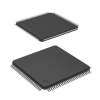
<p><span style="font-family: 隶书, SimLi; font-size: 18px;">HCS12X HCS12X Microcontroller IC 16-Bit 50MHz 512KB (512K x 8) FLASH 80-QFP (14x14)</span></p><p><br/></p><p><span style="font-family: 隶书, SimLi; font-size: 18px;"><strong><span style="font-size: 18px; font-family: 隶书, SimLi; white-space: nowrap;">MC9S12XEP100</span></strong></span></p><p><span style="font-family: 隶书, SimLi; font-size: 18px;"><strong><span style="font-size: 18px; font-family: 隶书, SimLi; white-space: nowrap;">Covers MC9S12XE Family</span></strong></span></p><p><span style="white-space: nowrap; font-family: 隶书, SimLi; font-size: 18px;"><br/></span></p><p><span style="text-decoration: underline; color: rgb(0, 176, 240); font-family: 隶书, SimLi; font-size: 18px;"><strong><span style="font-size: 18px; color: rgb(0, 176, 240); font-family: 隶书, SimLi; text-decoration: underline; white-space: nowrap;">Introduction</span></strong></span></p><p><span style="white-space: nowrap; font-family: 隶书, SimLi; font-size: 18px;">The MC9S12XE-Family of micro controllers is a further development of the S12XD-Family including</span></p><p><span style="white-space: nowrap; font-family: 隶书, SimLi; font-size: 18px;">new features for enhanced system integrity and greater functionality. These new features include a</span></p><p><span style="white-space: nowrap; font-family: 隶书, SimLi; font-size: 18px;">Memory Protection Unit (MPU) and Error Correction Code (ECC) on the Flash memory together with</span></p><p><span style="white-space: nowrap; font-family: 隶书, SimLi; font-size: 18px;">enhanced EEPROM functionality (EEE), an enhanced XGATE, an Internally filtered, frequency</span></p><p><span style="white-space: nowrap; font-family: 隶书, SimLi; font-size: 18px;">modulated Phase Locked Loop (IPLL) and an enhanced ATD. The E-Family extends the S12X product</span></p><p><span style="white-space: nowrap; font-family: 隶书, SimLi; font-size: 18px;">range up to 1MB of Flash memory with increased I/O capability in the 208-pin version of the flagship</span></p><p><span style="white-space: nowrap; font-family: 隶书, SimLi; font-size: 18px;">MC9S12XE100.</span></p><p><span style="white-space: nowrap; font-family: 隶书, SimLi; font-size: 18px;">The MC9S12XE-Family delivers 32-bit performance with all the advantages and efficiencies of a 16 bit</span></p><p><span style="white-space: nowrap; font-family: 隶书, SimLi; font-size: 18px;">MCU. It retains the low cost, power consumption, EMC and code-size efficiency advantages currently</span></p><p><span style="white-space: nowrap; font-family: 隶书, SimLi; font-size: 18px;">enjoyed by users of Freescale’s existing 16-Bit MC9S12 and S12X MCU families. There is a high level of</span></p><p><span style="white-space: nowrap; font-family: 隶书, SimLi; font-size: 18px;">compatibility between the S12XE and S12XD families.</span></p><p><span style="white-space: nowrap; font-family: 隶书, SimLi; font-size: 18px;">The MC9S12XE-Family features an enhanced version of the performance-boosting XGATE co-processor</span></p><p><span style="white-space: nowrap; font-family: 隶书, SimLi; font-size: 18px;">which is programmable in “C” language and runs at twice the bus frequency of the S12X with an</span></p><p><span style="white-space: nowrap; font-family: 隶书, SimLi; font-size: 18px;">instruction set optimized for data movement, logic and bit manipulation instructions and which can service</span></p><p><span style="white-space: nowrap; font-family: 隶书, SimLi; font-size: 18px;">any peripheral module on the device. The new enhanced version has improved interrupt handling</span></p><p><span style="white-space: nowrap; font-family: 隶书, SimLi; font-size: 18px;">capability and is fully compatible with the existing XGATE module.</span></p><p><span style="white-space: nowrap; font-family: 隶书, SimLi; font-size: 18px;">The MC9S12XE-Family is composed of standard on-chip peripherals including up to 64Kbytes of RAM,</span></p><p><span style="white-space: nowrap; font-family: 隶书, SimLi; font-size: 18px;">eight asynchronous serial communications interfaces (SCI), three serial peripheral interfaces (SPI), an 8-</span></p><p><span style="white-space: nowrap; font-family: 隶书, SimLi; font-size: 18px;">channel IC/OC enhanced capture timer (ECT), two 16-channel, 12-bit analog-to-digital converters, an 8-</span></p><p><span style="white-space: nowrap; font-family: 隶书, SimLi; font-size: 18px;">channel pulse-width modulator (PWM), five CAN 2.0 A, B software compatible modules (MSCAN12),</span></p><p><span style="white-space: nowrap; font-family: 隶书, SimLi; font-size: 18px;">two inter-IC bus blocks (IIC), an 8-channel 24-bit periodic interrupt timer (PIT) and an 8-channel 16-bit</span></p><p><span style="white-space: nowrap; font-family: 隶书, SimLi; font-size: 18px;">standard timer module (TIM).</span></p><p><span style="white-space: nowrap; font-family: 隶书, SimLi; font-size: 18px;">The MC9S12XE-Family uses 16-bit wide accesses without wait states for all peripherals and memories.</span></p><p><span style="white-space: nowrap; font-family: 隶书, SimLi; font-size: 18px;">The non-multiplexed expanded bus interface available on the 144/208-Pin versions allows an easy</span></p><p><span style="white-space: nowrap; font-family: 隶书, SimLi; font-size: 18px;">interface to external memories.</span></p><p><span style="white-space: nowrap; font-family: 隶书, SimLi; font-size: 18px;">In addition to the I/O ports available in each module, up to 26 further I/O ports are available with interrupt</span></p><p><span style="white-space: nowrap; font-family: 隶书, SimLi; font-size: 18px;">capability allowing Wake-Up from STOP or WAIT modes. The MC9S12XE-Family is available in 208-</span></p><p><span style="white-space: nowrap; font-family: 隶书, SimLi; font-size: 18px;">Pin MAPBGA, 144-Pin LQFP, 112-Pin LQFP or 80-Pin QFP options.</span></p><p><span style="white-space: nowrap; font-family: 隶书, SimLi; font-size: 18px;"><br/></span></p><p><span style="text-decoration: underline; color: rgb(0, 176, 240); font-family: 隶书, SimLi; font-size: 18px;"><strong><span style="font-size: 18px; color: rgb(0, 176, 240); font-family: 隶书, SimLi; text-decoration: underline; white-space: nowrap;">Features</span></strong></span></p><p><span style="white-space: nowrap; font-family: 隶书, SimLi; font-size: 18px;">• 16-Bit CPU12X</span></p><p><span style="white-space: nowrap; font-family: 隶书, SimLi; font-size: 18px;">— Upward compatible with MC9S12 instruction set with the exception of five Fuzzy instructions</span></p><p><span style="white-space: nowrap; font-family: 隶书, SimLi; font-size: 18px;">(MEM, WAV, WAVR, REV, REVW) which have been removed</span></p><p><span style="white-space: nowrap; font-family: 隶书, SimLi; font-size: 18px;">— Enhanced indexed addressing</span></p><p><span style="white-space: nowrap; font-family: 隶书, SimLi; font-size: 18px;">— Access to large data segments independent of PPAGE</span></p><p><span style="white-space: nowrap; font-family: 隶书, SimLi; font-size: 18px;">• INT (interrupt module)</span></p><p><span style="white-space: nowrap; font-family: 隶书, SimLi; font-size: 18px;">— Eight levels of nested interrupts</span></p><p><span style="white-space: nowrap; font-family: 隶书, SimLi; font-size: 18px;">— Flexible assignment of interrupt sources to each interrupt level.</span></p><p><span style="white-space: nowrap; font-family: 隶书, SimLi; font-size: 18px;">— External non-maskable high priority interrupt (XIRQ)</span></p><p><span style="white-space: nowrap; font-family: 隶书, SimLi; font-size: 18px;">— Internal non-maskable high priority Memory Protection Unit interrupt</span></p><p><span style="white-space: nowrap; font-family: 隶书, SimLi; font-size: 18px;">— Up to 24 pins on ports J, H and P configurable as rising or falling edge sensitive interrupts</span></p><p><span style="white-space: nowrap; font-family: 隶书, SimLi; font-size: 18px;">• EBI (external bus interface)(available in 208-Pin and 144-Pin packages only)</span></p><p><span style="white-space: nowrap; font-family: 隶书, SimLi; font-size: 18px;">— Up to four chip select outputs to select 16K, 1M, 2M and up to 4MByte address spaces</span></p><p><span style="white-space: nowrap; font-family: 隶书, SimLi; font-size: 18px;">— Each chip select output can be configured to complete transaction on either the time-out of one</span></p><p><span style="white-space: nowrap; font-family: 隶书, SimLi; font-size: 18px;">of the two wait state generators or the deassertion of EWAIT signal</span></p><p><span style="white-space: nowrap; font-family: 隶书, SimLi; font-size: 18px;">• MMC (module mapping control)</span></p><p><span style="white-space: nowrap; font-family: 隶书, SimLi; font-size: 18px;">• DBG (debug module)</span></p><p><span style="white-space: nowrap; font-family: 隶书, SimLi; font-size: 18px;">— Monitoring of CPU and/or XGATE busses with tag-type or force-type breakpoint requests</span></p><p><span style="white-space: nowrap; font-family: 隶书, SimLi; font-size: 18px;">— 64 x 64-bit circular trace buffer captures change-of-flow or memory access information</span></p><p><span style="white-space: nowrap; font-family: 隶书, SimLi; font-size: 18px;">• BDM (background debug mode)</span></p><p><span style="white-space: nowrap; font-family: 隶书, SimLi; font-size: 18px;">• MPU (memory protection unit)</span></p><p><span style="white-space: nowrap; font-family: 隶书, SimLi; font-size: 18px;">— 8 address regions definable per active program task</span></p><p><span style="white-space: nowrap; font-family: 隶书, SimLi; font-size: 18px;">— Address range granularity as low as 8-bytes</span></p><p><span style="white-space: nowrap; font-family: 隶书, SimLi; font-size: 18px;">— No write / No execute Protection Attributes</span></p><p><span style="white-space: nowrap; font-family: 隶书, SimLi; font-size: 18px;">— Non-maskable interrupt on access violation</span></p><p><span style="white-space: nowrap; font-family: 隶书, SimLi; font-size: 18px;">• XGATE</span></p><p><span style="white-space: nowrap; font-family: 隶书, SimLi; font-size: 18px;">— Programmable, high performance I/O coprocessor module</span></p><p><span style="white-space: nowrap; font-family: 隶书, SimLi; font-size: 18px;">— Transfers data to or from all peripherals and RAM without CPU intervention or CPU wait states</span></p><p><span style="white-space: nowrap; font-family: 隶书, SimLi; font-size: 18px;">— Performs logical, shifts, arithmetic, and bit operations on data</span></p><p><span style="white-space: nowrap; font-family: 隶书, SimLi; font-size: 18px;">— Can interrupt the HCS12X CPU signalling transfer completion</span></p><p><span style="white-space: nowrap; font-family: 隶书, SimLi; font-size: 18px;">— Triggers from any hardware module as well as from the CPU possible</span></p><p><span style="white-space: nowrap; font-family: 隶书, SimLi; font-size: 18px;">— Two interrupt levels to service high priority tasks</span></p><p><span style="white-space: nowrap; font-family: 隶书, SimLi; font-size: 18px;">— Hardware support for stack pointer initialisation</span></p><p><span style="white-space: nowrap; font-family: 隶书, SimLi; font-size: 18px;">• OSC_LCP (oscillator)</span></p><p><span style="white-space: nowrap; font-family: 隶书, SimLi; font-size: 18px;">— Low power loop control Pierce oscillator utilizing a 4MHz to 16MHz crystal</span></p><p><span style="white-space: nowrap; font-family: 隶书, SimLi; font-size: 18px;">— Good noise immunity</span></p><p><span style="white-space: nowrap; font-family: 隶书, SimLi; font-size: 18px;">— Full-swing Pierce option utilizing a 2MHz to 40MHz crystal</span></p><p><span style="white-space: nowrap; font-family: 隶书, SimLi; font-size: 18px;">— Transconductance sized for optimum start-up margin for typical crystals</span></p><p><span style="white-space: nowrap; font-family: 隶书, SimLi; font-size: 18px;">• IPLL (Internally filtered, frequency modulated phase-locked-loop clock generation)</span></p><p><span style="white-space: nowrap; font-family: 隶书, SimLi; font-size: 18px;">— No external components required</span></p><p><span style="white-space: nowrap; font-family: 隶书, SimLi; font-size: 18px;">— Configurable option to spread spectrum for reduced EMC radiation (frequency modulation)</span></p><p><span style="white-space: nowrap; font-family: 隶书, SimLi; font-size: 18px;">• CRG (clock and reset generation)</span></p><p><span style="white-space: nowrap; font-family: 隶书, SimLi; font-size: 18px;">— COP watchdog</span></p><p><span style="white-space: nowrap; font-family: 隶书, SimLi; font-size: 18px;">— Real time interrupt</span></p><p><span style="white-space: nowrap; font-family: 隶书, SimLi; font-size: 18px;">— Clock monitor</span></p><p><span style="white-space: nowrap; font-family: 隶书, SimLi; font-size: 18px;">— Fast wake up from STOP in self clock mode</span></p><p><span style="white-space: nowrap; font-family: 隶书, SimLi; font-size: 18px;">• Memory Options</span></p><p><span style="white-space: nowrap; font-family: 隶书, SimLi; font-size: 18px;">— 128K, 256k, 384K, 512K, 768K and 1M byte Flash</span></p><p><span style="white-space: nowrap; font-family: 隶书, SimLi; font-size: 18px;">— 2K, 4K byte emulated EEPROM</span></p><p><span style="white-space: nowrap; font-family: 隶书, SimLi; font-size: 18px;">— 12K, 16K, 24K, 32K, 48K and 64K Byte RAM</span></p><p><span style="white-space: nowrap; font-family: 隶书, SimLi; font-size: 18px;">• Flash General Features</span></p><p><span style="white-space: nowrap; font-family: 隶书, SimLi; font-size: 18px;">— 64 data bits plus 8 syndrome ECC (Error Correction Code) bits allow single bit failure</span></p><p><span style="white-space: nowrap; font-family: 隶书, SimLi; font-size: 18px;">correction and double fault detection</span></p><p><span style="white-space: nowrap; font-family: 隶书, SimLi; font-size: 18px;">— Erase sector size 1024 bytes</span></p><p><span style="white-space: nowrap; font-family: 隶书, SimLi; font-size: 18px;">— Automated program and erase algorithm</span></p><p><span style="white-space: nowrap; font-family: 隶书, SimLi; font-size: 18px;">• D-Flash Features</span></p><p><span style="white-space: nowrap; font-family: 隶书, SimLi; font-size: 18px;">— Up to 32 Kbytes of D-Flash memory with 256 byte sectors for user access.</span></p><p><span style="white-space: nowrap; font-family: 隶书, SimLi; font-size: 18px;">— Dedicated commands to control access to the D-Flash memory over EEE operation.</span></p><p><span style="white-space: nowrap; font-family: 隶书, SimLi; font-size: 18px;">— Single bit fault correction and double bit fault detection within a word during read operations.</span></p><p><span style="white-space: nowrap; font-family: 隶书, SimLi; font-size: 18px;">— Automated program and erase algorithm with verify and generation of ECC parity bits.</span></p><p><span style="white-space: nowrap; font-family: 隶书, SimLi; font-size: 18px;">— Fast sector erase and word program operation.</span></p><p><span style="white-space: nowrap; font-family: 隶书, SimLi; font-size: 18px;">— Ability to program up to four words in a burst sequence</span></p><p><span style="white-space: nowrap; font-family: 隶书, SimLi; font-size: 18px;">• Emulated EEPROM Features</span></p><p><span style="white-space: nowrap; font-family: 隶书, SimLi; font-size: 18px;">— Automatic EEE file handling using an internal Memory Controller.</span></p><p><span style="white-space: nowrap; font-family: 隶书, SimLi; font-size: 18px;">— Automatic transfer of valid EEE data from D-Flash memory to buffer RAM on reset.</span></p><p><span style="white-space: nowrap; font-family: 隶书, SimLi; font-size: 18px;">— Ability to monitor the number of outstanding EEE related buffer RAM words left to be</span></p><p><span style="white-space: nowrap; font-family: 隶书, SimLi; font-size: 18px;">programmed into D-Flash memory.</span></p><p><span style="white-space: nowrap; font-family: 隶书, SimLi; font-size: 18px;">— Ability to disable EEE operation and allow priority access to the D-Flash memory.</span></p><p><span style="white-space: nowrap; font-family: 隶书, SimLi; font-size: 18px;">— Ability to cancel all pending EEE operations and allow priority access to the D-Flash memory.</span></p><p><span style="white-space: nowrap; font-family: 隶书, SimLi; font-size: 18px;">• Two 16-channel, 12-bit Analog-to-Digital Converters</span></p><p><span style="white-space: nowrap; font-family: 隶书, SimLi; font-size: 18px;">— 8/10/12 Bit resolution</span></p><p><span style="white-space: nowrap; font-family: 隶书, SimLi; font-size: 18px;">— 3µs, 10-bit single conversion time</span></p><p><span style="white-space: nowrap; font-family: 隶书, SimLi; font-size: 18px;">— Left/right, signed/unsigned result data</span></p><p><span style="white-space: nowrap; font-family: 隶书, SimLi; font-size: 18px;">— External and internal conversion trigger capability</span></p><p><span style="white-space: nowrap; font-family: 隶书, SimLi; font-size: 18px;">— Internal oscillator for conversion in Stop modes</span></p><p><span style="white-space: nowrap; font-family: 隶书, SimLi; font-size: 18px;">— Wake from low power modes on analog comparison > or <= match</span></p><p><span style="white-space: nowrap; font-family: 隶书, SimLi; font-size: 18px;">• Five MSCAN (1 M bit per second, CAN 2.0 A, B software compatible modules)</span></p><p><span style="white-space: nowrap; font-family: 隶书, SimLi; font-size: 18px;">— Five receive and three transmit buffers</span></p><p><span style="white-space: nowrap; font-family: 隶书, SimLi; font-size: 18px;">— Flexible identifier filter programmable as 2 x 32 bit, 4 x 16 bit, or 8 x 8 bit</span></p><p><span style="white-space: nowrap; font-family: 隶书, SimLi; font-size: 18px;">— Four separate interrupt channels for Rx, Tx, error, and wake-up</span></p><p><span style="white-space: nowrap; font-family: 隶书, SimLi; font-size: 18px;">— Low-pass filter wake-up function</span></p><p><span style="white-space: nowrap; font-family: 隶书, SimLi; font-size: 18px;">— Loop-back for self-test operation</span></p><p><span style="white-space: nowrap; font-family: 隶书, SimLi; font-size: 18px;">• ECT (enhanced capture timer)</span></p><p><span style="white-space: nowrap; font-family: 隶书, SimLi; font-size: 18px;">— 8 x 16-bit channels for input capture or output compare</span></p><p><span style="white-space: nowrap; font-family: 隶书, SimLi; font-size: 18px;">— 16-bit free-running counter with 8-bit precision prescaler</span></p><p><span style="white-space: nowrap; font-family: 隶书, SimLi; font-size: 18px;">— 16-bit modulus down counter with 8-bit precision prescaler</span></p><p><span style="white-space: nowrap; font-family: 隶书, SimLi; font-size: 18px;">— Four 8-bit or two 16-bit pulse accumulators</span></p><p><span style="white-space: nowrap; font-family: 隶书, SimLi; font-size: 18px;">• TIM (standard timer module)</span></p><p><span style="white-space: nowrap; font-family: 隶书, SimLi; font-size: 18px;">— 8 x 16-bit channels for input capture or output compare</span></p><p><span style="white-space: nowrap; font-family: 隶书, SimLi; font-size: 18px;">— 16-bit free-running counter with 8-bit precision prescaler</span></p><p><span style="white-space: nowrap; font-family: 隶书, SimLi; font-size: 18px;">— 1 x 16-bit pulse accumulator</span></p><p><span style="white-space: nowrap; font-family: 隶书, SimLi; font-size: 18px;">• PIT (periodic interrupt timer)</span></p><p><span style="white-space: nowrap; font-family: 隶书, SimLi; font-size: 18px;">— Up to eight timers with independent time-out periods</span></p><p><span style="white-space: nowrap; font-family: 隶书, SimLi; font-size: 18px;">— Time-out periods selectable between 1 and 224 bus clock cycles</span></p><p><span style="white-space: nowrap; font-family: 隶书, SimLi; font-size: 18px;">— Time-out interrupt and peripheral triggers</span></p><p><span style="white-space: nowrap; font-family: 隶书, SimLi; font-size: 18px;">• 8 PWM (pulse-width modulator) channels</span></p><p><span style="white-space: nowrap; font-family: 隶书, SimLi; font-size: 18px;">— 8 channel x 8-bit or 4 channel x 16-bit Pulse Width Modulator</span></p><p><span style="white-space: nowrap; font-family: 隶书, SimLi; font-size: 18px;">— programmable period and duty cycle per channel</span></p><p><span style="white-space: nowrap; font-family: 隶书, SimLi; font-size: 18px;">— Center- or left-aligned outputs</span></p><p><span style="white-space: nowrap; font-family: 隶书, SimLi; font-size: 18px;">— Programmable clock select logic with a wide range of frequencies</span></p><p><span style="white-space: nowrap; font-family: 隶书, SimLi; font-size: 18px;">— Fast emergency shutdown input</span></p><p><span style="white-space: nowrap; font-family: 隶书, SimLi; font-size: 18px;">• Three Serial Peripheral Interface Modules (SPI)</span></p><p><span style="white-space: nowrap; font-family: 隶书, SimLi; font-size: 18px;">— Configurable for 8 or 16-bit data size</span></p><p><span style="white-space: nowrap; font-family: 隶书, SimLi; font-size: 18px;">• Eight Serial Communication Interfaces (SCI)</span></p><p><span style="white-space: nowrap; font-family: 隶书, SimLi; font-size: 18px;">— Standard mark/space non-return-to-zero (NRZ) format</span></p><p><span style="white-space: nowrap; font-family: 隶书, SimLi; font-size: 18px;">— Selectable IrDA 1.4 return-to-zero-inverted (RZI) format with programmable pulse widths</span></p><p><span style="white-space: nowrap; font-family: 隶书, SimLi; font-size: 18px;">• Two Inter-IC bus (IIC) Modules</span></p><p><span style="white-space: nowrap; font-family: 隶书, SimLi; font-size: 18px;">— Multi-master operation</span></p><p><span style="white-space: nowrap; font-family: 隶书, SimLi; font-size: 18px;">— Software programmable for one of 256 different serial clock frequencies</span></p><p><span style="white-space: nowrap; font-family: 隶书, SimLi; font-size: 18px;">— Broadcast mode support</span></p><p><span style="white-space: nowrap; font-family: 隶书, SimLi; font-size: 18px;">— 10-bit address support</span></p><p><span style="white-space: nowrap; font-family: 隶书, SimLi; font-size: 18px;">• On-Chip Voltage Regulator</span></p><p><span style="white-space: nowrap; font-family: 隶书, SimLi; font-size: 18px;">— Two parallel, linear voltage regulators with bandgap reference</span></p><p><span style="white-space: nowrap; font-family: 隶书, SimLi; font-size: 18px;">— Low-voltage detect (LVD) with low-voltage interrupt (LVI)</span></p><p><span style="white-space: nowrap; font-family: 隶书, SimLi; font-size: 18px;">— Power-on reset (POR) circuit</span></p><p><span style="white-space: nowrap; font-family: 隶书, SimLi; font-size: 18px;">— 3.3V and 5V range operation</span></p><p><span style="white-space: nowrap; font-family: 隶书, SimLi; font-size: 18px;">— Low-voltage reset (LVR)</span></p><p><span style="white-space: nowrap; font-family: 隶书, SimLi; font-size: 18px;">• Low-power wake-up timer (API)</span></p><p><span style="white-space: nowrap; font-family: 隶书, SimLi; font-size: 18px;">— Available in all modes including Full Stop Mode</span></p><p><span style="white-space: nowrap; font-family: 隶书, SimLi; font-size: 18px;">— Trimmable to +-5% accuracy</span></p><p><span style="white-space: nowrap; font-family: 隶书, SimLi; font-size: 18px;">— Time-out periods range from 0.2ms to ~13s with a 0.2ms resolution</span></p><p><span style="white-space: nowrap; font-family: 隶书, SimLi; font-size: 18px;">• Input/Output</span></p><p><span style="white-space: nowrap; font-family: 隶书, SimLi; font-size: 18px;">— Up to 152 general-purpose input/output (I/O) pins plus 2 input-only pins</span></p><p><span style="white-space: nowrap; font-family: 隶书, SimLi; font-size: 18px;">— Hysteresis and configurable pull up/pull down device on all input pins</span></p><p><span style="white-space: nowrap; font-family: 隶书, SimLi; font-size: 18px;">— Configurable drive strength on all output pins</span></p><p><span style="white-space: nowrap; font-family: 隶书, SimLi; font-size: 18px;">• Package Options</span></p><p><span style="white-space: nowrap; font-family: 隶书, SimLi; font-size: 18px;">— 208-pin MAPBGA</span></p><p><span style="white-space: nowrap; font-family: 隶书, SimLi; font-size: 18px;">— 144-pin low-profile quad flat-pack (LQFP)</span></p><p><span style="white-space: nowrap; font-family: 隶书, SimLi; font-size: 18px;">— 112-pin low-profile quad flat-pack (LQFP)</span></p><p><span style="white-space: nowrap; font-family: 隶书, SimLi; font-size: 18px;">— 80-pin quad flat-pack (QFP)</span></p><p><span style="white-space: nowrap; font-family: 隶书, SimLi; font-size: 18px;">• 50MHz maximum CPU bus frequency, 100MHz maximum XGATE bus frequency</span></p><p><span style="white-space: nowrap; font-family: 隶书, SimLi; font-size: 18px;"><br/></span></p><p><strong><span style="white-space: nowrap; font-family: 隶书, SimLi; font-size: 18px;">NXP Electronics components unboxing,humidity card changed color chip can used?</span></strong></p><p><strong><span style="white-space: nowrap; font-family: 隶书, SimLi; font-size: 18px;"><br/></span></strong></p><p><strong><span style="white-space: nowrap; font-family: 隶书, SimLi; font-size: 18px;"><br/></span></strong></p><p style="text-align: center;"><iframe width="700" height="415" src="https://www.youtube.com/embed/ZS7_PXh7ezA?si=0mYCT9_pPZqRfwCg" title="YouTube video player" frameborder="0" allow="accelerometer; autoplay; clipboard-write; encrypted-media; gyroscope; picture-in-picture; web-share" referrerpolicy="strict-origin-when-cross-origin" allowfullscreen=""></iframe></p><p><br/></p>
|
8976
|
80-QFP
|
|
||||||||||||||||||||||||
|
|
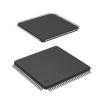
<p><span style="font-family: 隶书, SimLi; font-size: 18px;">HCS12 HCS12 Microcontroller IC 16-Bit 25MHz 256KB (256K x 8) FLASH 112-LQFP (20x20)</span></p><p><br/></p><p><span style="text-decoration: underline; color: rgb(0, 176, 240); font-family: 隶书, SimLi; font-size: 18px;"><strong><span style="font-size: 18px; color: rgb(0, 176, 240); font-family: 隶书, SimLi; text-decoration: underline; white-space: nowrap;">16-Bit Microcontroller</span></strong></span></p><p><span style="white-space: nowrap; font-family: 隶书, SimLi; font-size: 18px;">Designed for automotive multiplexing applications, members of the MC9S12D-Family of 16 bit Flashbased</span></p><p><span style="white-space: nowrap; font-family: 隶书, SimLi; font-size: 18px;">microcontrollers are fully pin compatible and enable users to choose between different memory</span></p><p><span style="white-space: nowrap; font-family: 隶书, SimLi; font-size: 18px;">and peripheral options for scalable designs. All MC9S12D-Family members are composed of standard</span></p><p><span style="white-space: nowrap; font-family: 隶书, SimLi; font-size: 18px;">on-chip peripherals including a 16-bit central processing unit (CPU12), up to 512K bytes of Flash</span></p><p><span style="white-space: nowrap; font-family: 隶书, SimLi; font-size: 18px;">EEPROM, 14K bytes of RAM, 4K bytes of EEPROM, two asynchronous serial communications</span></p><p><span style="white-space: nowrap; font-family: 隶书, SimLi; font-size: 18px;">interfaces (SCI), three serial peripheral interfaces (SPI), IIC-bus, an enhanced capture timer (ECT), two</span></p><p><span style="white-space: nowrap; font-family: 隶书, SimLi; font-size: 18px;">8-channel 10-bit analog-to-digital converters (ADC), an eight-channel pulse-width modulator (PWM),</span></p><p><span style="white-space: nowrap; font-family: 隶书, SimLi; font-size: 18px;">J1850 interface and up to five CAN 2.0 A, B software compatible modules (MSCAN12). System</span></p><p><span style="white-space: nowrap; font-family: 隶书, SimLi; font-size: 18px;">resource mapping, clock generation, interrupt control and bus interfacing are managed by the system</span></p><p><span style="white-space: nowrap; font-family: 隶书, SimLi; font-size: 18px;">integration module (SIM). The MC9S12D-Family has full 16-bit data paths throughout, however, the</span></p><p><span style="white-space: nowrap; font-family: 隶书, SimLi; font-size: 18px;">external bus can operate in an 8-bit narrow mode so single 8-bit wide memory can be interfaced for</span></p><p><span style="white-space: nowrap; font-family: 隶书, SimLi; font-size: 18px;">lower cost systems. The inclusion of a PLL circuit allows power consumption and performance to be</span></p><p><span style="white-space: nowrap; font-family: 隶书, SimLi; font-size: 18px;">adjusted to suit operational requirements. In addition to the I/O ports available in each module, up to 22</span></p><p><span style="white-space: nowrap; font-family: 隶书, SimLi; font-size: 18px;">I/O ports are available with interrupt capability allowing Wake-Up from STOP or WAIT mode.</span></p><p><span style="white-space: nowrap; font-family: 隶书, SimLi; font-size: 18px;"><br/></span></p><p><span style="color: rgb(0, 176, 240); text-decoration: underline; font-family: 隶书, SimLi; font-size: 18px;"><strong><span style="font-size: 18px; font-family: 隶书, SimLi; color: rgb(0, 176, 240); text-decoration: underline; white-space: nowrap;">Features</span></strong></span></p><p><span style="white-space: nowrap; font-family: 隶书, SimLi; font-size: 18px;">• 16-bit CPU12</span></p><p><span style="white-space: nowrap; font-family: 隶书, SimLi; font-size: 18px;">— Upward compatible with M68HC11 instruction set</span></p><p><span style="white-space: nowrap; font-family: 隶书, SimLi; font-size: 18px;">— Interrupt stacking and programmer’s model identical to M68HC11</span></p><p><span style="white-space: nowrap; font-family: 隶书, SimLi; font-size: 18px;">— HCS12 Instruction queue</span></p><p><span style="white-space: nowrap; font-family: 隶书, SimLi; font-size: 18px;">— Enhanced indexed addressing</span></p><p><span style="white-space: nowrap; font-family: 隶书, SimLi; font-size: 18px;">• Multiplexed bus</span></p><p><span style="white-space: nowrap; font-family: 隶书, SimLi; font-size: 18px;">— Single chip or expanded</span></p><p><span style="white-space: nowrap; font-family: 隶书, SimLi; font-size: 18px;">— 16 address/16 data wide or 16 address/8 data narrow modes</span></p><p><span style="white-space: nowrap; font-family: 隶书, SimLi; font-size: 18px;">— External address space 1MByte for Data and Program space (112 pin package only)</span></p><p><span style="white-space: nowrap; font-family: 隶书, SimLi; font-size: 18px;">• Wake-up interrupt inputs depending on the package option</span></p><p><span style="white-space: nowrap; font-family: 隶书, SimLi; font-size: 18px;">— 8-bit port H</span></p><p><span style="white-space: nowrap; font-family: 隶书, SimLi; font-size: 18px;">— 2-bit port J1:0</span></p><p><span style="white-space: nowrap; font-family: 隶书, SimLi; font-size: 18px;">— 2-bit port J7:6 shared with IIC, CAN4 and CAN0 module</span></p><p><span style="white-space: nowrap; font-family: 隶书, SimLi; font-size: 18px;">— 8-bit port P shared with PWM or SPI1,2</span></p><p><span style="white-space: nowrap; font-family: 隶书, SimLi; font-size: 18px;">• Memory options</span></p><p><span style="white-space: nowrap; font-family: 隶书, SimLi; font-size: 18px;">— 32K, 64K, 128K, 256K, 512K Byte Flash EEPROM</span></p><p><span style="white-space: nowrap; font-family: 隶书, SimLi; font-size: 18px;">— 1K, 2K, 4K Byte EEPROM</span></p><p><span style="white-space: nowrap; font-family: 隶书, SimLi; font-size: 18px;">— 2K, 4K, 8K, 12K, 14K Byte RAM</span></p><p><span style="white-space: nowrap; font-family: 隶书, SimLi; font-size: 18px;">• Analog-to-Digital Converters</span></p><p><span style="white-space: nowrap; font-family: 隶书, SimLi; font-size: 18px;">— One or two 8-channel modules with 10-bit resolution depending on the package option</span></p><p><span style="white-space: nowrap; font-family: 隶书, SimLi; font-size: 18px;">— External conversion trigger capability</span></p><p><span style="white-space: nowrap; font-family: 隶书, SimLi; font-size: 18px;">• Up to five 1M bit per second, CAN 2.0 A, B software compatible modules</span></p><p><span style="white-space: nowrap; font-family: 隶书, SimLi; font-size: 18px;">— Five receive and three transmit buffers</span></p><p><span style="white-space: nowrap; font-family: 隶书, SimLi; font-size: 18px;">— Flexible identifier filter programmable as 2 x 32 bit, 4 x 16 bit or 8 x 8 bit</span></p><p><span style="white-space: nowrap; font-family: 隶书, SimLi; font-size: 18px;">— Four separate interrupt channels for Receive, Transmit, Error and Wake-up</span></p><p><span style="white-space: nowrap; font-family: 隶书, SimLi; font-size: 18px;">— Low-pass filter wake-up function in STOP mode</span></p><p><span style="white-space: nowrap; font-family: 隶书, SimLi; font-size: 18px;">— Loop-back for self test operation</span></p><p><span style="white-space: nowrap; font-family: 隶书, SimLi; font-size: 18px;">• Enhanced Capture Timer (ECT)</span></p><p><span style="white-space: nowrap; font-family: 隶书, SimLi; font-size: 18px;">— 16-bit main counter with 7-bit prescaler</span></p><p><span style="white-space: nowrap; font-family: 隶书, SimLi; font-size: 18px;">— 8 programmable input capture or output compare channels; 4 of the 8 input captures with buffer</span></p><p><span style="white-space: nowrap; font-family: 隶书, SimLi; font-size: 18px;">— Input capture filters and buffers, three successive captures on four channels, or two captures on four</span></p><p><span style="white-space: nowrap; font-family: 隶书, SimLi; font-size: 18px;">channels with a capture/compare selectable on the remaining four</span></p><p><span style="white-space: nowrap; font-family: 隶书, SimLi; font-size: 18px;">— Four 8-bit or two 16-bit pulse accumulators</span></p><p><span style="white-space: nowrap; font-family: 隶书, SimLi; font-size: 18px;">— 16-bit modulus down-counter with 4-bit prescaler</span></p><p><span style="white-space: nowrap; font-family: 隶书, SimLi; font-size: 18px;">— Four user-selectable delay counters for signal filtering</span></p><p><span style="white-space: nowrap; font-family: 隶书, SimLi; font-size: 18px;">• 8 PWM channels with programmable period and duty cycle (7 channels on 80 Pin Packages)</span></p><p><span style="white-space: nowrap; font-family: 隶书, SimLi; font-size: 18px;">— 8-bit, 8-channel or 16-bit, 4-channel</span></p><p><span style="white-space: nowrap; font-family: 隶书, SimLi; font-size: 18px;">— Separate control for each pulse width and duty cycle</span></p><p><span style="white-space: nowrap; font-family: 隶书, SimLi; font-size: 18px;">— Center- or left-aligned outputs</span></p><p><span style="white-space: nowrap; font-family: 隶书, SimLi; font-size: 18px;">— Programmable clock select logic with a wide range of frequencies</span></p><p><span style="white-space: nowrap; font-family: 隶书, SimLi; font-size: 18px;">• Serial interfaces</span></p><p><span style="white-space: nowrap; font-family: 隶书, SimLi; font-size: 18px;">— Two asynchronous serial communications interfaces (SCI)</span></p><p><span style="white-space: nowrap; font-family: 隶书, SimLi; font-size: 18px;">— Up to three synchronous serial peripheral interfaces (SPI)</span></p><p><span style="white-space: nowrap; font-family: 隶书, SimLi; font-size: 18px;">— IIC</span></p><p><span style="white-space: nowrap; font-family: 隶书, SimLi; font-size: 18px;">• SAE J1850 Compatible Module (BDLC)</span></p><p><span style="white-space: nowrap; font-family: 隶书, SimLi; font-size: 18px;">— 10.4 kbps Variable Pulse Width format</span></p><p><span style="white-space: nowrap; font-family: 隶书, SimLi; font-size: 18px;">— Byte level receive and transmit</span></p><p><span style="white-space: nowrap; font-family: 隶书, SimLi; font-size: 18px;">— 4x receive mode supported</span></p><p><span style="white-space: nowrap; font-family: 隶书, SimLi; font-size: 18px;">• SIM (System Integration Module)</span></p><p><span style="white-space: nowrap; font-family: 隶书, SimLi; font-size: 18px;">— CRG (windowed COP watchdog, real time interrupt, clock monitor, clock generation and reset)</span></p><p><span style="white-space: nowrap; font-family: 隶书, SimLi; font-size: 18px;">— MEBI (multiplexed external bus interface)</span></p><p><span style="white-space: nowrap; font-family: 隶书, SimLi; font-size: 18px;">— INT (interrupt control)</span></p><p><span style="white-space: nowrap; font-family: 隶书, SimLi; font-size: 18px;">• Clock generation</span></p><p><span style="white-space: nowrap; font-family: 隶书, SimLi; font-size: 18px;">— Phase-locked loop clock frequency multiplier</span></p><p><span style="white-space: nowrap; font-family: 隶书, SimLi; font-size: 18px;">— Limp home mode in absence of external clock</span></p><p><span style="white-space: nowrap; font-family: 隶书, SimLi; font-size: 18px;">— Clock Monitor</span></p><p><span style="white-space: nowrap; font-family: 隶书, SimLi; font-size: 18px;">— Low power 0.5 to 16 MHz crystal oscillator reference clock</span></p><p><span style="white-space: nowrap; font-family: 隶书, SimLi; font-size: 18px;">• Operating frequency for ambient temperatures TA -40°C <= TA <= 125°C</span></p><p><span style="white-space: nowrap; font-family: 隶书, SimLi; font-size: 18px;">— 50MHz equivalent to 25MHz Bus Speed for single chip</span></p><p><span style="white-space: nowrap; font-family: 隶书, SimLi; font-size: 18px;">40MHz equivalent to 20MHz Bus Speed in expanded bus modes.</span></p><p><span style="white-space: nowrap; font-family: 隶书, SimLi; font-size: 18px;">• Internal 5V to 2.5V Regulator</span></p><p><span style="white-space: nowrap; font-family: 隶书, SimLi; font-size: 18px;">• 112-Pin LQFP or 80-Pin QFP package</span></p><p><span style="white-space: nowrap; font-family: 隶书, SimLi; font-size: 18px;">— I/O lines with 5V input and drive capability</span></p><p><span style="white-space: nowrap; font-family: 隶书, SimLi; font-size: 18px;">— 5V A/D converter inputs and 5V I/O</span></p><p><span style="white-space: nowrap; font-family: 隶书, SimLi; font-size: 18px;">— 2.5V logic supply</span></p><p><span style="white-space: nowrap; font-family: 隶书, SimLi; font-size: 18px;">• Development support</span></p><p><span style="white-space: nowrap; font-family: 隶书, SimLi; font-size: 18px;">— Single-wire background debug™ mode (BDM)</span></p><p><span style="white-space: nowrap; font-family: 隶书, SimLi; font-size: 18px;">— On-chip hardware breakpoints</span></p><p><span style="white-space: nowrap; font-family: 隶书, SimLi; font-size: 18px;"><br/></span></p><p><strong><span style="white-space: nowrap; font-family: 隶书, SimLi; font-size: 18px;">NXP Electronics components unboxing,humidity card changed color chip can used?</span></strong></p><p><strong><span style="white-space: nowrap; font-family: 隶书, SimLi; font-size: 18px;"><br/></span></strong></p><p><strong><span style="white-space: nowrap; font-family: 隶书, SimLi; font-size: 18px;"><br/></span></strong></p><p style="text-align: center;"><iframe width="700" height="415" src="https://www.youtube.com/embed/ZS7_PXh7ezA?si=0mYCT9_pPZqRfwCg" title="YouTube video player" frameborder="0" allow="accelerometer; autoplay; clipboard-write; encrypted-media; gyroscope; picture-in-picture; web-share" referrerpolicy="strict-origin-when-cross-origin" allowfullscreen=""></iframe></p><p><br/></p>
|
9671
|
112-LQFP
|
|
||||||||||||||||||||||||
|
|
<p><span style="font-family: 隶书, SimLi; font-size: 18px;">HCS12 HCS12 Microcontroller IC 16-Bit 25MHz 512KB (512K x 8) FLASH 112-LQFP (20x20)</span></p><p><br/></p><p><span style="color: rgb(0, 176, 240); font-family: 隶书, SimLi; font-size: 18px;"><strong><span style="font-size: 18px; color: rgb(0, 176, 240); font-family: 隶书, SimLi; white-space: nowrap; text-decoration: underline;">Overview</span></strong></span></p><p><span style="white-space: nowrap; font-family: 隶书, SimLi; font-size: 18px;">The MC9S12DP512 microcontroller unit (MCU) is a 16-bit device composed of standard on-chip</span></p><p><span style="white-space: nowrap; font-family: 隶书, SimLi; font-size: 18px;">peripherals including a 16-bit central processing unit (HCS12 CPU), 512K bytes of Flash EEPROM, 14K</span></p><p><span style="white-space: nowrap; font-family: 隶书, SimLi; font-size: 18px;">bytes of RAM, 4K bytes of EEPROM, two asynchronous serial communications interfaces (SCI), three</span></p><p><span style="white-space: nowrap; font-family: 隶书, SimLi; font-size: 18px;">serial peripheral interfaces (SPI), an 8-channel IC/OC enhanced capture timer, two 8-channel, 10-bit</span></p><p><span style="white-space: nowrap; font-family: 隶书, SimLi; font-size: 18px;">analog-to-digital converters (ADC), an 8-channel pulse-width modulator (PWM), a digital Byte Data Link</span></p><p><span style="white-space: nowrap; font-family: 隶书, SimLi; font-size: 18px;">Controller (BDLC), 29 discrete digital I/O channels (Port A, Port B, Port K and Port E), 20 discrete digital</span></p><p><span style="white-space: nowrap; font-family: 隶书, SimLi; font-size: 18px;">I/O lines with interrupt and wake up capability, five CAN 2.0 A, B software compatible modules</span></p><p><span style="white-space: nowrap; font-family: 隶书, SimLi; font-size: 18px;">(MSCAN12), and an Inter-IC Bus. The MC9S12DP512 has full 16-bit data paths throughout. However,</span></p><p><span style="white-space: nowrap; font-family: 隶书, SimLi; font-size: 18px;">the external bus can operate in an 8-bit narrow mode so single 8-bit wide memory can be interfaced for</span></p><p><span style="white-space: nowrap; font-family: 隶书, SimLi; font-size: 18px;">lower cost systems. The inclusion of a PLL circuit allows power consumption and performance to be</span></p><p><span style="white-space: nowrap; font-family: 隶书, SimLi; font-size: 18px;">adjusted to suit operational requirements.</span></p><p><span style="white-space: nowrap; font-family: 隶书, SimLi; font-size: 18px;"><br/></span></p><p><span style="text-decoration: underline; color: rgb(0, 176, 240); font-family: 隶书, SimLi; font-size: 18px;"><strong><span style="font-size: 18px; color: rgb(0, 176, 240); font-family: 隶书, SimLi; text-decoration: underline; white-space: nowrap;">Features</span></strong></span></p><p><span style="white-space: nowrap; font-family: 隶书, SimLi; font-size: 18px;">• HCS12 Core</span></p><p><span style="white-space: nowrap; font-family: 隶书, SimLi; font-size: 18px;">– 16-bit HCS12 CPU</span></p><p><span style="white-space: nowrap; font-family: 隶书, SimLi; font-size: 18px;">i. Upward compatible with M68HC11 instruction set</span></p><p><span style="white-space: nowrap; font-family: 隶书, SimLi; font-size: 18px;">ii. Interrupt stacking and programmer’s model identical to M68HC11</span></p><p><span style="white-space: nowrap; font-family: 隶书, SimLi; font-size: 18px;">iii.Instruction queue</span></p><p><span style="white-space: nowrap; font-family: 隶书, SimLi; font-size: 18px;">iv. Enhanced indexed addressing</span></p><p><span style="white-space: nowrap; font-family: 隶书, SimLi; font-size: 18px;">– MEBI (Multiplexed External Bus Interface)</span></p><p><span style="white-space: nowrap; font-family: 隶书, SimLi; font-size: 18px;">– MMC (Module Mapping Control)</span></p><p><span style="white-space: nowrap; font-family: 隶书, SimLi; font-size: 18px;">– INT (Interrupt control)</span></p><p><span style="white-space: nowrap; font-family: 隶书, SimLi; font-size: 18px;">– BKP (Breakpoints)</span></p><p><span style="white-space: nowrap; font-family: 隶书, SimLi; font-size: 18px;">– BDM (Background Debug Mode)</span></p><p><span style="white-space: nowrap; font-family: 隶书, SimLi; font-size: 18px;">• CRG (Clock and Reset Generation)</span></p><p><span style="white-space: nowrap; font-family: 隶书, SimLi; font-size: 18px;">– Low current Colpitts oscillator or</span></p><p><span style="white-space: nowrap; font-family: 隶书, SimLi; font-size: 18px;">– Pierce oscillator</span></p><p><span style="white-space: nowrap; font-family: 隶书, SimLi; font-size: 18px;">– PLL</span></p><p><span style="white-space: nowrap; font-family: 隶书, SimLi; font-size: 18px;">– COP watchdog</span></p><p><span style="white-space: nowrap; font-family: 隶书, SimLi; font-size: 18px;">– Real Time Interrupt</span></p><p><span style="white-space: nowrap; font-family: 隶书, SimLi; font-size: 18px;">– Clock Monitor</span></p><p><span style="white-space: nowrap; font-family: 隶书, SimLi; font-size: 18px;">• 8-bit and 4-bit ports with interrupt functionality</span></p><p><span style="white-space: nowrap; font-family: 隶书, SimLi; font-size: 18px;">– Digital filtering</span></p><p><span style="white-space: nowrap; font-family: 隶书, SimLi; font-size: 18px;">– Programmable rising or falling edge trigger</span></p><p><span style="white-space: nowrap; font-family: 隶书, SimLi; font-size: 18px;">• Memory</span></p><p><span style="white-space: nowrap; font-family: 隶书, SimLi; font-size: 18px;">– 512K Flash EEPROM</span></p><p><span style="white-space: nowrap; font-family: 隶书, SimLi; font-size: 18px;">– 4K byte EEPROM</span></p><p><span style="white-space: nowrap; font-family: 隶书, SimLi; font-size: 18px;">– 14K byte RAM</span></p><p><span style="white-space: nowrap; font-family: 隶书, SimLi; font-size: 18px;">• Two 8-channel Analog-to-Digital Converters</span></p><p><span style="white-space: nowrap; font-family: 隶书, SimLi; font-size: 18px;">– 10-bit resolution</span></p><p><span style="white-space: nowrap; font-family: 隶书, SimLi; font-size: 18px;">– External conversion trigger capability</span></p><p><span style="white-space: nowrap; font-family: 隶书, SimLi; font-size: 18px;">• Five 1M bit per second, CAN 2.0 A, B software compatible modules</span></p><p><span style="white-space: nowrap; font-family: 隶书, SimLi; font-size: 18px;">– Five receive and three transmit buffers</span></p><p><span style="white-space: nowrap; font-family: 隶书, SimLi; font-size: 18px;">– Flexible identifier filter programmable as 2 x 32 bit, 4 x 16 bit or 8 x 8 bit</span></p><p><span style="white-space: nowrap; font-family: 隶书, SimLi; font-size: 18px;">– Four separate interrupt channels for Rx, Tx, error and wake-up</span></p><p><span style="white-space: nowrap; font-family: 隶书, SimLi; font-size: 18px;">– Low-pass filter wake-up function</span></p><p><span style="white-space: nowrap; font-family: 隶书, SimLi; font-size: 18px;">– Loop-back for self test operation</span></p><p><span style="white-space: nowrap; font-family: 隶书, SimLi; font-size: 18px;">• Enhanced Capture Timer</span></p><p><span style="white-space: nowrap; font-family: 隶书, SimLi; font-size: 18px;">– 16-bit main counter with 7-bit prescaler</span></p><p><span style="white-space: nowrap; font-family: 隶书, SimLi; font-size: 18px;">– 8 programmable input capture or output compare channels</span></p><p><span style="white-space: nowrap; font-family: 隶书, SimLi; font-size: 18px;">– Four 8-bit or two 16-bit pulse accumulators</span></p><p><span style="white-space: nowrap; font-family: 隶书, SimLi; font-size: 18px;">• 8 PWM channels</span></p><p><span style="white-space: nowrap; font-family: 隶书, SimLi; font-size: 18px;">– Programmable period and duty cycle</span></p><p><span style="white-space: nowrap; font-family: 隶书, SimLi; font-size: 18px;">– 8-bit 8-channel or 16-bit 4-channel</span></p><p><span style="white-space: nowrap; font-family: 隶书, SimLi; font-size: 18px;">– Separate control for each pulse width and duty cycle</span></p><p><span style="white-space: nowrap; font-family: 隶书, SimLi; font-size: 18px;">– Center-aligned or left-aligned outputs</span></p><p><span style="white-space: nowrap; font-family: 隶书, SimLi; font-size: 18px;">– Programmable clock select logic with a wide range of frequencies</span></p><p><span style="white-space: nowrap; font-family: 隶书, SimLi; font-size: 18px;">– Fast emergency shutdown input</span></p><p><span style="white-space: nowrap; font-family: 隶书, SimLi; font-size: 18px;">– Usable as interrupt inputs</span></p><p><span style="white-space: nowrap; font-family: 隶书, SimLi; font-size: 18px;">• Serial interfaces</span></p><p><span style="white-space: nowrap; font-family: 隶书, SimLi; font-size: 18px;">– Two asynchronous Serial Communications Interfaces (SCI)</span></p><p><span style="white-space: nowrap; font-family: 隶书, SimLi; font-size: 18px;">– Three Synchronous Serial Peripheral Interface (SPI)</span></p><p><span style="white-space: nowrap; font-family: 隶书, SimLi; font-size: 18px;">• Byte Data Link Controller (BDLC)</span></p><p><span style="white-space: nowrap; font-family: 隶书, SimLi; font-size: 18px;">– SAE J1850 Class B Data Communications Network Interface Compatible and ISO Compatible</span></p><p><span style="white-space: nowrap; font-family: 隶书, SimLi; font-size: 18px;">for Low-Speed (<125 Kbps) Serial Data Communications in Automotive Applications</span></p><p><span style="white-space: nowrap; font-family: 隶书, SimLi; font-size: 18px;">• Inter-IC Bus (IIC)</span></p><p><span style="white-space: nowrap; font-family: 隶书, SimLi; font-size: 18px;">– Compatible with I2C Bus standard</span></p><p><span style="white-space: nowrap; font-family: 隶书, SimLi; font-size: 18px;">– Multi-master operation</span></p><p><span style="white-space: nowrap; font-family: 隶书, SimLi; font-size: 18px;">– Software programmable for one of 256 different serial clock frequencies</span></p><p><span style="white-space: nowrap; font-family: 隶书, SimLi; font-size: 18px;">• 112-Pin LQFP package</span></p><p><span style="white-space: nowrap; font-family: 隶书, SimLi; font-size: 18px;">– I/O lines with 5V input and drive capability</span></p><p><span style="white-space: nowrap; font-family: 隶书, SimLi; font-size: 18px;">– 5V A/D converter inputs</span></p><p><span style="white-space: nowrap; font-family: 隶书, SimLi; font-size: 18px;">– Operation at 50MHz equivalent to 25MHz Bus Speed over -40˚C <= TA <= 125˚C</span></p><p><span style="white-space: nowrap; font-family: 隶书, SimLi; font-size: 18px;">– Development support</span></p><p><span style="white-space: nowrap; font-family: 隶书, SimLi; font-size: 18px;">– Single-wire background debug™ mode (BDM)</span></p><p><span style="white-space: nowrap; font-family: 隶书, SimLi; font-size: 18px;">– On-chip hardware breakpoints</span></p><p><span style="white-space: nowrap; font-family: 隶书, SimLi; font-size: 18px;"><br/></span></p><p><strong><span style="white-space: nowrap; font-family: 隶书, SimLi; font-size: 18px;">NXP Electronics components unboxing,humidity card changed color chip can used?</span></strong></p><p><strong><span style="white-space: nowrap; font-family: 隶书, SimLi; font-size: 18px;"><br/></span></strong></p><p><strong><span style="white-space: nowrap; font-family: 隶书, SimLi; font-size: 18px;"><br/></span></strong></p><p style="text-align: center;"><iframe width="700" height="415" src="https://www.youtube.com/embed/ZS7_PXh7ezA?si=0mYCT9_pPZqRfwCg" title="YouTube video player" frameborder="0" allow="accelerometer; autoplay; clipboard-write; encrypted-media; gyroscope; picture-in-picture; web-share" referrerpolicy="strict-origin-when-cross-origin" allowfullscreen=""></iframe></p><p><br/></p>
|
2807
|
112-LQFP
|
|
||||||||||||||||||||||||
|
|
|
<p><span style="font-size: 18px; font-family: 隶书, SimLi;">HCS12X HCS12X Microcontroller IC 16-Bit 50MHz 1MB (1M x 8) FLASH 144-LQFP (20x20)</span></p><p><strong style="font-family: 隶书, SimLi; font-size: 18px;"><span style="white-space: nowrap;"><br/></span></strong></p><p><strong style="font-family: 隶书, SimLi; font-size: 18px;"><span style="white-space: nowrap;">Overview </span></strong><br/></p><p><span style="text-decoration: underline; color: rgb(0, 176, 240); font-size: 18px; font-family: 隶书, SimLi;"><strong><span style="font-family: 隶书, SimLi; color: rgb(0, 176, 240); font-size: 18px; text-decoration: underline; white-space: nowrap;">Device Introduction</span></strong></span></p><p><span style="white-space: nowrap; font-size: 18px; font-family: 隶书, SimLi;">The MC9S12XE-Family of micro controllers is a further development of the S12XD-Family including </span><span style="font-family: 隶书, SimLi; font-size: 18px; white-space: nowrap;">new features </span></p><p><span style="font-family: 隶书, SimLi; font-size: 18px; white-space: nowrap;">for enhanced system integrity and greater functionality. These new features include a</span><span style="font-family: 隶书, SimLi; font-size: 18px; white-space: nowrap;">Memory Protection Unit (MPU) </span></p><p><span style="font-family: 隶书, SimLi; font-size: 18px; white-space: nowrap;">and Error Correction Code (ECC) on the Flash memory together with </span><span style="font-family: 隶书, SimLi; font-size: 18px; white-space: nowrap;">enhanced EEPROM functionality (EEE), an </span></p><p><span style="font-family: 隶书, SimLi; font-size: 18px; white-space: nowrap;">enhanced XGATE, an Internally filtered, frequency </span><span style="font-family: 隶书, SimLi; font-size: 18px; white-space: nowrap;">modulated Phase Locked Loop (IPLL) and an enhanced ATD. The E-</span></p><p><span style="font-family: 隶书, SimLi; font-size: 18px; white-space: nowrap;">Family extends the S12X product</span><span style="font-family: 隶书, SimLi; font-size: 18px; white-space: nowrap;">range up to 1MB of Flash memory with increased I/O capability in the 208-pin version </span></p><p><span style="font-family: 隶书, SimLi; font-size: 18px; white-space: nowrap;">of the flagship </span><span style="font-family: 隶书, SimLi; font-size: 18px; white-space: nowrap;">MC9S12XE100.</span></p><p><span style="white-space: nowrap; font-size: 18px; font-family: 隶书, SimLi;">The MC9S12XE-Family delivers 32-bit performance with all the advantages and efficiencies of a 16 bit</span></p><p><span style="white-space: nowrap; font-size: 18px; font-family: 隶书, SimLi;">MCU. It retains the low cost, power consumption, EMC and code-size efficiency advantages currently</span></p><p><span style="white-space: nowrap; font-size: 18px; font-family: 隶书, SimLi;">enjoyed by users of Freescale’s existing 16-Bit MC9S12 and S12X MCU families. There is a high level of</span></p><p><span style="white-space: nowrap; font-size: 18px; font-family: 隶书, SimLi;">compatibility between the S12XE and S12XD families.</span></p><p><span style="white-space: nowrap; font-size: 18px; font-family: 隶书, SimLi;">The MC9S12XE-Family features an enhanced version of the performance-boosting XGATE co-processor</span></p><p><span style="white-space: nowrap; font-size: 18px; font-family: 隶书, SimLi;">which is programmable in “C” language and runs at twice the bus frequency of the S12X with an</span></p><p><span style="white-space: nowrap; font-size: 18px; font-family: 隶书, SimLi;">instruction set optimized for data movement, logic and bit manipulation instructions and which can service</span></p><p><span style="white-space: nowrap; font-size: 18px; font-family: 隶书, SimLi;">any peripheral module on the device. The new enhanced version has improved interrupt handling</span></p><p><span style="white-space: nowrap; font-size: 18px; font-family: 隶书, SimLi;">capability and is fully compatible with the existing XGATE module.</span></p><p><span style="white-space: nowrap; font-size: 18px; font-family: 隶书, SimLi;">The MC9S12XE-Family is composed of standard on-chip peripherals including up to 64Kbytes of RAM,</span></p><p><span style="white-space: nowrap; font-size: 18px; font-family: 隶书, SimLi;">eight asynchronous serial communications interfaces (SCI), three serial peripheral interfaces (SPI), an 8-</span></p><p><span style="white-space: nowrap; font-size: 18px; font-family: 隶书, SimLi;">channel IC/OC enhanced capture timer (ECT), two 16-channel, 12-bit analog-to-digital converters, an 8-</span></p><p><span style="white-space: nowrap; font-size: 18px; font-family: 隶书, SimLi;">channel pulse-width modulator (PWM), five CAN 2.0 A, B software compatible modules (MSCAN12),</span></p><p><span style="white-space: nowrap; font-size: 18px; font-family: 隶书, SimLi;">two inter-IC bus blocks (IIC), an 8-channel 24-bit periodic interrupt timer (PIT) and an 8-channel 16-bit</span></p><p><span style="white-space: nowrap; font-size: 18px; font-family: 隶书, SimLi;">standard timer module (TIM).</span></p><p><span style="white-space: nowrap; font-size: 18px; font-family: 隶书, SimLi;">The MC9S12XE-Family uses 16-bit wide accesses without wait states for all peripherals and memories.</span></p><p><span style="font-family: 隶书, SimLi; font-size: 18px; white-space: nowrap;">The non-multiplexed expanded bus interface available on the 144/208-Pin versions allows an easy</span></p><p><span style="white-space: nowrap; font-size: 18px; font-family: 隶书, SimLi;">interface to external memories.</span></p><p><span style="white-space: nowrap; font-size: 18px; font-family: 隶书, SimLi;">In addition to the I/O ports available in each module, up to 26 further I/O ports are available with interrupt</span></p><p><span style="white-space: nowrap; font-size: 18px; font-family: 隶书, SimLi;">capability allowing Wake-Up from STOP or WAIT modes. The MC9S12XE-Family is available in 208-</span></p><p><span style="white-space: nowrap; font-size: 18px; font-family: 隶书, SimLi;">Pin MAPBGA, 144-Pin LQFP, 112-Pin LQFP or 80-Pin QFP options.</span></p><p><span style="white-space: nowrap; font-size: 18px; font-family: 隶书, SimLi;"><br/></span></p><p><span style="text-decoration: underline; font-size: 18px; font-family: 隶书, SimLi;"><strong><span style="font-family: 隶书, SimLi; font-size: 18px; text-decoration: underline; white-space: nowrap; color: rgb(0, 176, 240);">Device Features</span></strong></span></p><p><span style="white-space: nowrap; font-size: 18px; font-family: 隶书, SimLi;">• 16-Bit CPU12X</span></p><p><span style="white-space: nowrap; font-size: 18px; font-family: 隶书, SimLi;">— Upward compatible with MC9S12 instruction set with the exception of five Fuzzy instructions</span></p><p><span style="white-space: nowrap; font-size: 18px; font-family: 隶书, SimLi;">(MEM, WAV, WAVR, REV, REVW) which have been removed</span></p><p><span style="white-space: nowrap; font-size: 18px; font-family: 隶书, SimLi;">— Enhanced indexed addressing</span></p><p><span style="white-space: nowrap; font-size: 18px; font-family: 隶书, SimLi;">— Access to large data segments independent of PPAGE</span></p><p><span style="white-space: nowrap; font-size: 18px; font-family: 隶书, SimLi;">• INT (interrupt module)</span></p><p><span style="white-space: nowrap; font-size: 18px; font-family: 隶书, SimLi;">— Eight levels of nested interrupts</span></p><p><span style="white-space: nowrap; font-size: 18px; font-family: 隶书, SimLi;">— Flexible assignment of interrupt sources to each interrupt level.</span></p><p><span style="white-space: nowrap; font-size: 18px; font-family: 隶书, SimLi;">— External non-maskable high priority interrupt (XIRQ)</span></p><p><span style="white-space: nowrap; font-size: 18px; font-family: 隶书, SimLi;">— Internal non-maskable high priority Memory Protection Unit interrupt</span></p><p><span style="white-space: nowrap; font-size: 18px; font-family: 隶书, SimLi;">— Up to 24 pins on ports J, H and P configurable as rising or falling edge sensitive interrupts</span></p><p><span style="white-space: nowrap; font-size: 18px; font-family: 隶书, SimLi;">• EBI (external bus interface)(available in 208-Pin and 144-Pin packages only)</span></p><p><span style="white-space: nowrap; font-size: 18px; font-family: 隶书, SimLi;">— Up to four chip select outputs to select 16K, 1M, 2M and up to 4MByte address spaces</span></p><p><span style="white-space: nowrap; font-size: 18px; font-family: 隶书, SimLi;">— Each chip select output can be configured to complete transaction on either the time-out of one</span></p><p><span style="white-space: nowrap; font-size: 18px; font-family: 隶书, SimLi;">of the two wait state generators or the deassertion of EWAIT signal</span></p><p><span style="white-space: nowrap; font-size: 18px; font-family: 隶书, SimLi;">• MMC (module mapping control)</span></p><p><span style="white-space: nowrap; font-size: 18px; font-family: 隶书, SimLi;">• DBG (debug module)</span></p><p><span style="white-space: nowrap; font-size: 18px; font-family: 隶书, SimLi;">— Monitoring of CPU and/or XGATE busses with tag-type or force-type breakpoint requests</span></p><p><span style="white-space: nowrap; font-size: 18px; font-family: 隶书, SimLi;">— 64 x 64-bit circular trace buffer captures change-of-flow or memory access information</span></p><p><span style="white-space: nowrap; font-size: 18px; font-family: 隶书, SimLi;">• BDM (background debug mode)</span></p><p><span style="white-space: nowrap; font-size: 18px; font-family: 隶书, SimLi;">• MPU (memory protection unit)</span></p><p><span style="white-space: nowrap; font-size: 18px; font-family: 隶书, SimLi;">— 8 address regions definable per active program task</span></p><p><span style="white-space: nowrap; font-size: 18px; font-family: 隶书, SimLi;">— Address range granularity as low as 8-bytes</span></p><p><span style="white-space: nowrap; font-size: 18px; font-family: 隶书, SimLi;">— No write / No execute Protection Attributes</span></p><p><span style="white-space: nowrap; font-size: 18px; font-family: 隶书, SimLi;">— Non-maskable interrupt on access violation</span></p><p><span style="white-space: nowrap; font-size: 18px; font-family: 隶书, SimLi;">• XGATE</span></p><p><span style="white-space: nowrap; font-size: 18px; font-family: 隶书, SimLi;">— Programmable, high performance I/O coprocessor module</span></p><p><span style="white-space: nowrap; font-size: 18px; font-family: 隶书, SimLi;">— Transfers data to or from all peripherals and RAM without CPU intervention or CPU wait states</span></p><p><span style="white-space: nowrap; font-size: 18px; font-family: 隶书, SimLi;">— Performs logical, shifts, arithmetic, and bit operations on data</span></p><p><span style="white-space: nowrap; font-size: 18px; font-family: 隶书, SimLi;">— Can interrupt the HCS12X CPU signalling transfer completion</span></p><p><span style="white-space: nowrap; font-size: 18px; font-family: 隶书, SimLi;">— Triggers from any hardware module as well as from the CPU possible</span></p><p><span style="white-space: nowrap; font-size: 18px; font-family: 隶书, SimLi;">— Two interrupt levels to service high priority tasks</span></p><p><span style="white-space: nowrap; font-size: 18px; font-family: 隶书, SimLi;">— Hardware support for stack pointer initialisation</span></p><p><span style="white-space: nowrap; font-size: 18px; font-family: 隶书, SimLi;">• OSC_LCP (oscillator)</span></p><p><span style="white-space: nowrap; font-size: 18px; font-family: 隶书, SimLi;">— Low power loop control Pierce oscillator utilizing a 4MHz to 16MHz crystal</span></p><p><span style="white-space: nowrap; font-size: 18px; font-family: 隶书, SimLi;">— Good noise immunity</span></p><p><span style="white-space: nowrap; font-size: 18px; font-family: 隶书, SimLi;">— Full-swing Pierce option utilizing a 2MHz to 40MHz crystal</span></p><p><span style="white-space: nowrap; font-size: 18px; font-family: 隶书, SimLi;">— Transconductance sized for optimum start-up margin for typical crystals</span></p><p><span style="white-space: nowrap; font-size: 18px; font-family: 隶书, SimLi;">• IPLL (Internally filtered, frequency modulated phase-locked-loop clock generation)</span></p><p><span style="white-space: nowrap; font-size: 18px; font-family: 隶书, SimLi;">— No external components required</span></p><p><span style="white-space: nowrap; font-size: 18px; font-family: 隶书, SimLi;">— Configurable option to spread spectrum for reduced EMC radiation (frequency modulation)</span></p><p><span style="white-space: nowrap; font-size: 18px; font-family: 隶书, SimLi;">• CRG (clock and reset generation)</span></p><p><span style="white-space: nowrap; font-size: 18px; font-family: 隶书, SimLi;">— COP watchdog</span></p><p><span style="white-space: nowrap; font-size: 18px; font-family: 隶书, SimLi;">— Real time interrupt</span></p><p><span style="white-space: nowrap; font-size: 18px; font-family: 隶书, SimLi;">— Clock monitor</span></p><p><span style="white-space: nowrap; font-size: 18px; font-family: 隶书, SimLi;">— Fast wake up from STOP in self clock mode</span></p><p><span style="white-space: nowrap; font-size: 18px; font-family: 隶书, SimLi;">• Memory Options</span></p><p><span style="white-space: nowrap; font-size: 18px; font-family: 隶书, SimLi;">— 128K, 256k, 384K, 512K, 768K and 1M byte Flash</span></p><p><span style="white-space: nowrap; font-size: 18px; font-family: 隶书, SimLi;">— 2K, 4K byte emulated EEPROM</span></p><p><span style="white-space: nowrap; font-size: 18px; font-family: 隶书, SimLi;">— 12K, 16K, 24K, 32K, 48K and 64K Byte RAM</span></p><p><span style="white-space: nowrap; font-size: 18px; font-family: 隶书, SimLi;">• Flash General Features</span></p><p><span style="white-space: nowrap; font-size: 18px; font-family: 隶书, SimLi;">— 64 data bits plus 8 syndrome ECC (Error Correction Code) bits allow single bit failure</span></p><p><span style="white-space: nowrap; font-size: 18px; font-family: 隶书, SimLi;">correction and double fault detection</span></p><p><span style="white-space: nowrap; font-size: 18px; font-family: 隶书, SimLi;">— Erase sector size 1024 bytes</span></p><p><span style="white-space: nowrap; font-size: 18px; font-family: 隶书, SimLi;">— Automated program and erase algorithm</span></p><p><span style="white-space: nowrap; font-size: 18px; font-family: 隶书, SimLi;">• D-Flash Features</span></p><p><span style="white-space: nowrap; font-size: 18px; font-family: 隶书, SimLi;">— Up to 32 Kbytes of D-Flash memory with 256 byte sectors for user access.</span></p><p><span style="white-space: nowrap; font-size: 18px; font-family: 隶书, SimLi;">— Dedicated commands to control access to the D-Flash memory over EEE operation.</span></p><p><span style="white-space: nowrap; font-size: 18px; font-family: 隶书, SimLi;">— Single bit fault correction and double bit fault detection within a word during read operations.</span></p><p><span style="white-space: nowrap; font-size: 18px; font-family: 隶书, SimLi;">— Automated program and erase algorithm with verify and generation of ECC parity bits.</span></p><p><span style="white-space: nowrap; font-size: 18px; font-family: 隶书, SimLi;">— Fast sector erase and word program operation.</span></p><p><span style="white-space: nowrap; font-size: 18px; font-family: 隶书, SimLi;">— Ability to program up to four words in a burst sequence</span></p><p><span style="white-space: nowrap; font-size: 18px; font-family: 隶书, SimLi;">• Emulated EEPROM Features</span></p><p><span style="white-space: nowrap; font-size: 18px; font-family: 隶书, SimLi;">— Automatic EEE file handling using an internal Memory Controller.</span></p><p><span style="white-space: nowrap; font-size: 18px; font-family: 隶书, SimLi;">— Automatic transfer of valid EEE data from D-Flash memory to buffer RAM on reset.</span></p><p><span style="white-space: nowrap; font-size: 18px; font-family: 隶书, SimLi;">— Ability to monitor the number of outstanding EEE related buffer RAM words left to be</span></p><p><span style="white-space: nowrap; font-size: 18px; font-family: 隶书, SimLi;">programmed into D-Flash memory.</span></p><p><span style="white-space: nowrap; font-size: 18px; font-family: 隶书, SimLi;">— Ability to disable EEE operation and allow priority access to the D-Flash memory.</span></p><p><span style="white-space: nowrap; font-size: 18px; font-family: 隶书, SimLi;">— Ability to cancel all pending EEE operations and allow priority access to the D-Flash memory.</span></p><p><span style="white-space: nowrap; font-size: 18px; font-family: 隶书, SimLi;">• Two 16-channel, 12-bit Analog-to-Digital Converters</span></p><p><span style="white-space: nowrap; font-size: 18px; font-family: 隶书, SimLi;">— 8/10/12 Bit resolution</span></p><p><span style="white-space: nowrap; font-size: 18px; font-family: 隶书, SimLi;">— 3µs, 10-bit single conversion time</span></p><p><span style="white-space: nowrap; font-size: 18px; font-family: 隶书, SimLi;">— Left/right, signed/unsigned result data</span></p><p><span style="white-space: nowrap; font-size: 18px; font-family: 隶书, SimLi;">— External and internal conversion trigger capability</span></p><p><span style="white-space: nowrap; font-size: 18px; font-family: 隶书, SimLi;">— Internal oscillator for conversion in Stop modes</span></p><p><span style="white-space: nowrap; font-size: 18px; font-family: 隶书, SimLi;">— Wake from low power modes on analog comparison > or <= match</span></p><p><span style="white-space: nowrap; font-size: 18px; font-family: 隶书, SimLi;">• Five MSCAN (1 M bit per second, CAN 2.0 A, B software compatible modules)</span></p><p><span style="white-space: nowrap; font-size: 18px; font-family: 隶书, SimLi;">— Five receive and three transmit buffers</span></p><p><span style="white-space: nowrap; font-size: 18px; font-family: 隶书, SimLi;">— Flexible identifier filter programmable as 2 x 32 bit, 4 x 16 bit, or 8 x 8 bit</span></p><p><span style="white-space: nowrap; font-size: 18px; font-family: 隶书, SimLi;">— Four separate interrupt channels for Rx, Tx, error, and wake-up</span></p><p><span style="white-space: nowrap; font-size: 18px; font-family: 隶书, SimLi;">— Low-pass filter wake-up function</span></p><p><span style="white-space: nowrap; font-size: 18px; font-family: 隶书, SimLi;">— Loop-back for self-test operation</span></p><p><span style="white-space: nowrap; font-size: 18px; font-family: 隶书, SimLi;">• ECT (enhanced capture timer)</span></p><p><span style="white-space: nowrap; font-size: 18px; font-family: 隶书, SimLi;">— 8 x 16-bit channels for input capture or output compare</span></p><p><span style="white-space: nowrap; font-size: 18px; font-family: 隶书, SimLi;">— 16-bit free-running counter with 8-bit precision prescaler</span></p><p><span style="white-space: nowrap; font-size: 18px; font-family: 隶书, SimLi;">— 16-bit modulus down counter with 8-bit precision prescaler</span></p><p><span style="white-space: nowrap; font-size: 18px; font-family: 隶书, SimLi;">— Four 8-bit or two 16-bit pulse accumulators</span></p><p><span style="white-space: nowrap; font-size: 18px; font-family: 隶书, SimLi;">• TIM (standard timer module)</span></p><p><span style="white-space: nowrap; font-size: 18px; font-family: 隶书, SimLi;">— 8 x 16-bit channels for input capture or output compare</span></p><p><span style="white-space: nowrap; font-size: 18px; font-family: 隶书, SimLi;">— 16-bit free-running counter with 8-bit precision prescaler</span></p><p><span style="white-space: nowrap; font-size: 18px; font-family: 隶书, SimLi;">— 1 x 16-bit pulse accumulator</span></p><p><span style="white-space: nowrap; font-size: 18px; font-family: 隶书, SimLi;">• PIT (periodic interrupt timer)</span></p><p><span style="white-space: nowrap; font-size: 18px; font-family: 隶书, SimLi;">— Up to eight timers with independent time-out periods</span></p><p><span style="white-space: nowrap; font-size: 18px; font-family: 隶书, SimLi;">— Time-out periods selectable between 1 and 224 bus clock cycles</span></p><p><span style="white-space: nowrap; font-size: 18px; font-family: 隶书, SimLi;">— Time-out interrupt and peripheral triggers</span></p><p><span style="white-space: nowrap; font-size: 18px; font-family: 隶书, SimLi;">• 8 PWM (pulse-width modulator) channels</span></p><p><span style="white-space: nowrap; font-size: 18px; font-family: 隶书, SimLi;">— 8 channel x 8-bit or 4 channel x 16-bit Pulse Width Modulator</span></p><p><span style="white-space: nowrap; font-size: 18px; font-family: 隶书, SimLi;">— programmable period and duty cycle per channel</span></p><p><span style="white-space: nowrap; font-size: 18px; font-family: 隶书, SimLi;">— Center- or left-aligned outputs</span></p><p><span style="white-space: nowrap; font-size: 18px; font-family: 隶书, SimLi;">— Programmable clock select logic with a wide range of frequencies</span></p><p><span style="white-space: nowrap; font-size: 18px; font-family: 隶书, SimLi;">— Fast emergency shutdown input</span></p><p><span style="white-space: nowrap; font-size: 18px; font-family: 隶书, SimLi;">• Three Serial Peripheral Interface Modules (SPI)</span></p><p><span style="white-space: nowrap; font-size: 18px; font-family: 隶书, SimLi;">— Configurable for 8 or 16-bit data size</span></p><p><span style="white-space: nowrap; font-size: 18px; font-family: 隶书, SimLi;">• Eight Serial Communication Interfaces (SCI)</span></p><p><span style="white-space: nowrap; font-size: 18px; font-family: 隶书, SimLi;">— Standard mark/space non-return-to-zero (NRZ) format</span></p><p><span style="white-space: nowrap; font-size: 18px; font-family: 隶书, SimLi;">— Selectable IrDA 1.4 return-to-zero-inverted (RZI) format with programmable pulse widths</span></p><p><span style="white-space: nowrap; font-size: 18px; font-family: 隶书, SimLi;">• Two Inter-IC bus (IIC) Modules</span></p><p><span style="white-space: nowrap; font-size: 18px; font-family: 隶书, SimLi;">— Multi-master operation</span></p><p><span style="white-space: nowrap; font-size: 18px; font-family: 隶书, SimLi;">— Software programmable for one of 256 different serial clock frequencies</span></p><p><span style="white-space: nowrap; font-size: 18px; font-family: 隶书, SimLi;">— Broadcast mode support</span></p><p><span style="white-space: nowrap; font-size: 18px; font-family: 隶书, SimLi;">— 10-bit address support</span></p><p><span style="white-space: nowrap; font-size: 18px; font-family: 隶书, SimLi;">• On-Chip Voltage Regulator</span></p><p><span style="white-space: nowrap; font-size: 18px; font-family: 隶书, SimLi;">— Two parallel, linear voltage regulators with bandgap reference</span></p><p><span style="white-space: nowrap; font-size: 18px; font-family: 隶书, SimLi;">— Low-voltage detect (LVD) with low-voltage interrupt (LVI)</span></p><p><span style="white-space: nowrap; font-size: 18px; font-family: 隶书, SimLi;">— Power-on reset (POR) circuit</span></p><p><span style="white-space: nowrap; font-size: 18px; font-family: 隶书, SimLi;">— 3.3V and 5V range operation</span></p><p><span style="white-space: nowrap; font-size: 18px; font-family: 隶书, SimLi;">— Low-voltage reset (LVR)</span></p><p><span style="white-space: nowrap; font-size: 18px; font-family: 隶书, SimLi;">• Low-power wake-up timer (API)</span></p><p><span style="white-space: nowrap; font-size: 18px; font-family: 隶书, SimLi;">— Available in all modes including Full Stop Mode</span></p><p><span style="white-space: nowrap; font-size: 18px; font-family: 隶书, SimLi;">— Trimmable to +-5% accuracy</span></p><p><span style="white-space: nowrap; font-size: 18px; font-family: 隶书, SimLi;">— Time-out periods range from 0.2ms to ~13s with a 0.2ms resolution</span></p><p><span style="white-space: nowrap; font-size: 18px; font-family: 隶书, SimLi;">• Input/Output</span></p><p><span style="white-space: nowrap; font-size: 18px; font-family: 隶书, SimLi;">— Up to 152 general-purpose input/output (I/O) pins plus 2 input-only pins</span></p><p><span style="white-space: nowrap; font-size: 18px; font-family: 隶书, SimLi;">— Hysteresis and configurable pull up/pull down device on all input pins</span></p><p><span style="white-space: nowrap; font-size: 18px; font-family: 隶书, SimLi;">— Configurable drive strength on all output pins</span></p><p><span style="white-space: nowrap; font-size: 18px; font-family: 隶书, SimLi;">• Package Options</span></p><p><span style="white-space: nowrap; font-size: 18px; font-family: 隶书, SimLi;">— 208-pin MAPBGA</span></p><p><span style="white-space: nowrap; font-size: 18px; font-family: 隶书, SimLi;">— 144-pin low-profile quad flat-pack (LQFP)</span></p><p><span style="white-space: nowrap; font-size: 18px; font-family: 隶书, SimLi;">— 112-pin low-profile quad flat-pack (LQFP)</span></p><p><span style="white-space: nowrap; font-size: 18px; font-family: 隶书, SimLi;">— 80-pin quad flat-pack (QFP)</span></p><p><span style="white-space: nowrap; font-size: 18px; font-family: 隶书, SimLi;">• 50MHz maximum CPU bus frequency, 100MHz maximum XGATE bus frequency</span></p><p><span style="white-space: nowrap; font-size: 18px; font-family: 隶书, SimLi;"><br/></span></p><p><strong><span style="white-space: nowrap; font-size: 18px; font-family: 隶书, SimLi;">NXP Electronics components unboxing,humidity card changed color chip can used?</span></strong></p><p><strong><span style="white-space: nowrap; font-size: 18px; font-family: 隶书, SimLi;"><br/></span></strong></p><p><strong><span style="white-space: nowrap; font-size: 18px; font-family: 隶书, SimLi;"><br/></span></strong></p><p style="text-align: center;"><iframe width="700" height="415" src="https://www.youtube.com/embed/ZS7_PXh7ezA?si=0mYCT9_pPZqRfwCg" title="YouTube video player" frameborder="0" allow="accelerometer; autoplay; clipboard-write; encrypted-media; gyroscope; picture-in-picture; web-share" referrerpolicy="strict-origin-when-cross-origin" allowfullscreen=""></iframe></p><p><br/></p><p><br/></p><p><br/></p><p><a href="https://www.nxp.com.cn/docs/en/product-brief/MC9S12XEPB.pdf" target="_blank" _href="https://www.nxp.com.cn/docs/en/product-brief/MC9S12XEPB.pdf"><span style="text-decoration: underline; color: rgb(0, 176, 240); font-family: 隶书, SimLi; font-size: 18px;"><strong>PDF</strong></span></a></p>
|
4695
|
144-LQFP
|
|
||||||||||||||||||||||||
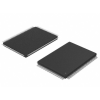
|
|
<p><span style="font-family: 隶书, SimLi; font-size: 18px;">56800E 56F8xxx Microcontroller IC 16-Bit 60MHz 256KB (128K x 16) FLASH 128-LQFP (14x20)</span></p><p><br/></p><p><span style="text-decoration: underline; font-family: 隶书, SimLi; font-size: 18px;"><strong><span style="font-size: 18px; font-family: 隶书, SimLi; text-decoration: underline; white-space: nowrap; color: rgb(0, 176, 240);">Device Description</span></strong></span></p><p><span style="white-space: nowrap; font-family: 隶书, SimLi; font-size: 18px;">The 56F8355 and 56F8155 are members of the 56800E core-based family of controllers. It combines, on</span></p><p><span style="white-space: nowrap; font-family: 隶书, SimLi; font-size: 18px;">a single chip, the processing power of a Digital Signal Processor (DSP) and the functionality of a</span></p><p><span style="white-space: nowrap; font-family: 隶书, SimLi; font-size: 18px;">microcontroller with a flexible set of peripherals to create an extremely cost-effective solution. Because</span></p><p><span style="white-space: nowrap; font-family: 隶书, SimLi; font-size: 18px;">of its low cost, configuration flexibility, and compact program code, the 56F8355 and 56F8155 are</span></p><p><span style="white-space: nowrap; font-family: 隶书, SimLi; font-size: 18px;">well-suited for many applications. The devices include many peripherals that are especially useful for</span></p><p><span style="white-space: nowrap; font-family: 隶书, SimLi; font-size: 18px;">motion control, smart appliances, steppers, encoders, tachometers, limit switches, power supply and</span></p><p><span style="white-space: nowrap; font-family: 隶书, SimLi; font-size: 18px;">control, automotive control (56F8355 only), engine management, noise suppression, remote utility</span></p><p><span style="white-space: nowrap; font-family: 隶书, SimLi; font-size: 18px;">metering, industrial control for power, lighting, and automation applications.</span></p><p><span style="white-space: nowrap; font-family: 隶书, SimLi; font-size: 18px;">The 56800E core is based on a Harvard-style architecture consisting of three execution units operating in</span></p><p><span style="white-space: nowrap; font-family: 隶书, SimLi; font-size: 18px;">parallel, allowing as many as six operations per instruction cycle. The MCU-style programming model and</span></p><p><span style="white-space: nowrap; font-family: 隶书, SimLi; font-size: 18px;">optimized instruction set allow straightforward generation of efficient, compact DSP and control code.</span></p><p><span style="white-space: nowrap; font-family: 隶书, SimLi; font-size: 18px;">The instruction set is also highly efficient for C/C++ Compilers to enable rapid development of optimized</span></p><p><span style="white-space: nowrap; font-family: 隶书, SimLi; font-size: 18px;">control applications. </span></p><p><span style="white-space: nowrap; font-family: 隶书, SimLi; font-size: 18px;">The 56F8355 and 56F8155 support program execution from internal memories. Two data operands can be</span></p><p><span style="white-space: nowrap; font-family: 隶书, SimLi; font-size: 18px;">accessed from the on-chip data RAM per instruction cycle. These devices also provide two external</span></p><p><span style="white-space: nowrap; font-family: 隶书, SimLi; font-size: 18px;">dedicated interrupt lines and up to 49 General Purpose Input/Output (GPIO) lines, depending on peripheral</span></p><p><span style="white-space: nowrap; font-family: 隶书, SimLi; font-size: 18px;">configuration.</span></p><p><span style="white-space: nowrap; font-family: 隶书, SimLi; font-size: 18px;"><br/></span></p><p><span style="text-decoration: underline; color: rgb(0, 176, 240); font-family: 隶书, SimLi; font-size: 18px;"><strong><span style="font-size: 18px; color: rgb(0, 176, 240); font-family: 隶书, SimLi; text-decoration: underline; white-space: nowrap;">56F8355 Features</span></strong></span></p><p><span style="white-space: nowrap; font-family: 隶书, SimLi; font-size: 18px;">The 56F8355 controller includes 256KB of Program Flash and 8KB of Data Flash (each programmable</span></p><p><span style="white-space: nowrap; font-family: 隶书, SimLi; font-size: 18px;">through the JTAG port) with 4KB of Program RAM and 16KB of Data RAM. A total of 16KB of Boot</span></p><p><span style="white-space: nowrap; font-family: 隶书, SimLi; font-size: 18px;">Flash is incorporated for easy customer inclusion of field-programmable software routines that can be used</span></p><p><span style="white-space: nowrap; font-family: 隶书, SimLi; font-size: 18px;">to program the main Program and Data Flash memory areas. Both Program and Data Flash memories can</span></p><p><span style="white-space: nowrap; font-family: 隶书, SimLi; font-size: 18px;">be independently bulk erased or erased in page sizes. Program Flash page erase size is 1KB. Boot and Data</span></p><p><span style="white-space: nowrap; font-family: 隶书, SimLi; font-size: 18px;">Flash page erase size is 512 bytes. The Boot Flash memory can also be either bulk or page erased.</span></p><p><span style="white-space: nowrap; font-family: 隶书, SimLi; font-size: 18px;">A key application-specific feature of the 56F8355 is the inclusion of two Pulse Width Modulator (PWM)</span></p><p><span style="white-space: nowrap; font-family: 隶书, SimLi; font-size: 18px;">modules. These modules each incorporate three complementary, individually programmable PWM signal</span></p><p><span style="white-space: nowrap; font-family: 隶书, SimLi; font-size: 18px;">output pairs (each module is also capable of supporting six independent PWM functions, for a total of 12</span></p><p><span style="white-space: nowrap; font-family: 隶书, SimLi; font-size: 18px;">PWM outputs) to enhance motor control functionality. Complementary operation permits programmable</span></p><p><span style="white-space: nowrap; font-family: 隶书, SimLi; font-size: 18px;">dead time insertion, distortion correction via current sensing by software, and separate top and bottom</span></p><p><span style="white-space: nowrap; font-family: 隶书, SimLi; font-size: 18px;">output polarity control. The up-counter value is programmable to support a continuously variable PWM</span></p><p><span style="white-space: nowrap; font-family: 隶书, SimLi; font-size: 18px;">frequency. Edge-aligned and center-aligned synchronous pulse width control (0% to 100% modulation) is</span></p><p><span style="white-space: nowrap; font-family: 隶书, SimLi; font-size: 18px;">supported. The device is capable of controlling most motor types: ACIM (AC Induction Motors); both</span></p><p><span style="white-space: nowrap; font-family: 隶书, SimLi; font-size: 18px;">BDC and BLDC (Brush and Brushless DC motors); SRM and VRM (Switched and Variable Reluctance</span></p><p><span style="white-space: nowrap; font-family: 隶书, SimLi; font-size: 18px;">Motors); and stepper motors. The PWMs incorporate fault protection and cycle-by-cycle current limiting</span></p><p><span style="white-space: nowrap; font-family: 隶书, SimLi; font-size: 18px;">with sufficient output drive capability to directly drive standard optoisolators. A “smoke-inhibit”,</span></p><p><span style="white-space: nowrap; font-family: 隶书, SimLi; font-size: 18px;">write-once protection feature for key parameters is also included. A patented PWM waveform distortion</span></p><p><span style="white-space: nowrap; font-family: 隶书, SimLi; font-size: 18px;">correction circuit is also provided. Each PWM is double-buffered and includes interrupt controls to permit</span></p><p><span style="white-space: nowrap; font-family: 隶书, SimLi; font-size: 18px;">integral reload rates to be programmable from 1 to 16. The PWM modules provide a reference output to</span></p><p><span style="white-space: nowrap; font-family: 隶书, SimLi; font-size: 18px;">synchronize the Analog-to-Digital Converters through two channels of Quad Timer C.</span></p><p><span style="white-space: nowrap; font-family: 隶书, SimLi; font-size: 18px;">The 56F8355 incorporates two Quadrature Decoders capable of capturing all four transitions on the</span></p><p><span style="white-space: nowrap; font-family: 隶书, SimLi; font-size: 18px;">two-phase inputs, permitting generation of a number proportional to actual position. Speed computation</span></p><p><span style="white-space: nowrap; font-family: 隶书, SimLi; font-size: 18px;">capabilities accommodate both fast- and slow-moving shafts. An integrated watchdog timer in the</span></p><p><span style="white-space: nowrap; font-family: 隶书, SimLi; font-size: 18px;">Quadrature Decoder can be programmed with a time-out value to alert when no shaft motion is detected.</span></p><p><span style="white-space: nowrap; font-family: 隶书, SimLi; font-size: 18px;">Each input is filtered to ensure only true transitions are recorded.</span></p><p><span style="white-space: nowrap; font-family: 隶书, SimLi; font-size: 18px;">This controller also provides a full set of standard programmable peripherals that include two Serial</span></p><p><span style="white-space: nowrap; font-family: 隶书, SimLi; font-size: 18px;">Communications Interfaces (SCIs); two Serial Peripheral Interfaces (SPIs); and four Quad Timers. Any of</span></p><p><span style="white-space: nowrap; font-family: 隶书, SimLi; font-size: 18px;">these interfaces can be used as General-Purpose Input/Outputs (GPIOs) if that function is not required. A</span></p><p><span style="white-space: nowrap; font-family: 隶书, SimLi; font-size: 18px;">Flex Controller Area Network (FlexCAN) interface (CAN Version 2.0 B-compliant) and an internal</span></p><p><span style="white-space: nowrap; font-family: 隶书, SimLi; font-size: 18px;">interrupt controller are included on the 56F8355.</span></p><p><span style="white-space: nowrap; font-family: 隶书, SimLi; font-size: 18px;"><br/></span></p><p><span style="text-decoration: underline; color: rgb(0, 176, 240);"><strong><span style="text-decoration: underline; white-space: nowrap; font-family: 隶书, SimLi; font-size: 18px;">How read the label of the NXP chip?What is the naming rules of NXP microcontrollers?</span></strong></span></p><p><span style="text-decoration: underline; color: rgb(0, 176, 240);"><strong><span style="text-decoration: underline; white-space: nowrap; font-family: 隶书, SimLi; font-size: 18px;"><br/></span></strong></span></p><p><span style="text-decoration: underline; color: rgb(0, 176, 240);"><strong><span style="text-decoration: underline; white-space: nowrap; font-family: 隶书, SimLi; font-size: 18px;"><br/></span></strong></span></p><p style="text-align: center;"><iframe width="700" height="415" src="https://www.youtube.com/embed/ZS7_PXh7ezA?si=0mYCT9_pPZqRfwCg" title="YouTube video player" frameborder="0" allow="accelerometer; autoplay; clipboard-write; encrypted-media; gyroscope; picture-in-picture; web-share" referrerpolicy="strict-origin-when-cross-origin" allowfullscreen=""></iframe></p><p><span style="text-decoration: underline; color: rgb(0, 176, 240);"><strong><span style="text-decoration: underline; white-space: nowrap; font-family: 隶书, SimLi; font-size: 18px;"><br/></span></strong></span></p><p><br/></p><p><br/></p>
|
6697
|
128-LQFP
|
|
||||||||||||||||||||||||
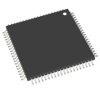
|
|
<p><span style="font-family: 隶书, SimLi; font-size: 18px;">HCS12 HCS12 Microcontroller IC 16-Bit 25MHz 256KB (256K x 8) FLASH 80-QFP (14x14)</span></p><p><br/></p><p><span style="text-decoration: underline; color: rgb(0, 176, 240); font-family: 隶书, SimLi; font-size: 18px;"><strong><span style="font-size: 18px; color: rgb(0, 176, 240); font-family: 隶书, SimLi; text-decoration: underline; white-space: nowrap;">Product Brief</span></strong></span></p><p><span style="white-space: nowrap; font-family: 隶书, SimLi; font-size: 18px;">16-Bit Microcontroller</span></p><p><span style="white-space: nowrap; font-family: 隶书, SimLi; font-size: 18px;">Designed for automotive multiplexing applications, members of the MC9S12D-Family of 16 bit Flashbased</span></p><p><span style="white-space: nowrap; font-family: 隶书, SimLi; font-size: 18px;">microcontrollers are fully pin compatible and enable users to choose between different memory</span></p><p><span style="white-space: nowrap; font-family: 隶书, SimLi; font-size: 18px;">and peripheral options for scalable designs. All MC9S12D-Family members are composed of standard</span></p><p><span style="white-space: nowrap; font-family: 隶书, SimLi; font-size: 18px;">on-chip peripherals including a 16-bit central processing unit (CPU12), up to 512K bytes of Flash</span></p><p><span style="white-space: nowrap; font-family: 隶书, SimLi; font-size: 18px;">EEPROM, 14K bytes of RAM, 4K bytes of EEPROM, two asynchronous serial communications</span></p><p><span style="white-space: nowrap; font-family: 隶书, SimLi; font-size: 18px;">interfaces (SCI), three serial peripheral interfaces (SPI), IIC-bus, an enhanced capture timer (ECT), two</span></p><p><span style="white-space: nowrap; font-family: 隶书, SimLi; font-size: 18px;">8-channel 10-bit analog-to-digital converters (ADC), an eight-channel pulse-width modulator (PWM),</span></p><p><span style="white-space: nowrap; font-family: 隶书, SimLi; font-size: 18px;">J1850 interface and up to five CAN 2.0 A, B software compatible modules (MSCAN12). System</span></p><p><span style="white-space: nowrap; font-family: 隶书, SimLi; font-size: 18px;">resource mapping, clock generation, interrupt control and bus interfacing are managed by the system</span></p><p><span style="white-space: nowrap; font-family: 隶书, SimLi; font-size: 18px;">integration module (SIM). The MC9S12D-Family has full 16-bit data paths throughout, however, the</span></p><p><span style="white-space: nowrap; font-family: 隶书, SimLi; font-size: 18px;">external bus can operate in an 8-bit narrow mode so single 8-bit wide memory can be interfaced for</span></p><p><span style="white-space: nowrap; font-family: 隶书, SimLi; font-size: 18px;">lower cost systems. The inclusion of a PLL circuit allows power consumption and performance to be</span></p><p><span style="white-space: nowrap; font-family: 隶书, SimLi; font-size: 18px;">adjusted to suit operational requirements. In addition to the I/O ports available in each module, up to 22</span></p><p><span style="white-space: nowrap; font-family: 隶书, SimLi; font-size: 18px;">I/O ports are available with interrupt capability allowing Wake-Up from STOP or WAIT mode.</span></p><p><span style="white-space: nowrap; font-family: 隶书, SimLi; font-size: 18px;"><br/></span></p><p><span style="text-decoration: underline; color: rgb(0, 176, 240); font-family: 隶书, SimLi; font-size: 18px;"><strong><span style="font-size: 18px; color: rgb(0, 176, 240); font-family: 隶书, SimLi; text-decoration: underline; white-space: nowrap;">Features</span></strong></span></p><p><span style="white-space: nowrap; font-family: 隶书, SimLi; font-size: 18px;">• 16-bit CPU12</span></p><p><span style="white-space: nowrap; font-family: 隶书, SimLi; font-size: 18px;">— Upward compatible with M68HC11 instruction set</span></p><p><span style="white-space: nowrap; font-family: 隶书, SimLi; font-size: 18px;">— Interrupt stacking and programmer’s model identical to M68HC11</span></p><p><span style="white-space: nowrap; font-family: 隶书, SimLi; font-size: 18px;">— HCS12 Instruction queue</span></p><p><span style="white-space: nowrap; font-family: 隶书, SimLi; font-size: 18px;">— Enhanced indexed addressing</span></p><p><span style="white-space: nowrap; font-family: 隶书, SimLi; font-size: 18px;">• Multiplexed bus</span></p><p><span style="white-space: nowrap; font-family: 隶书, SimLi; font-size: 18px;">— Single chip or expanded</span></p><p><span style="white-space: nowrap; font-family: 隶书, SimLi; font-size: 18px;">— 16 address/16 data wide or 16 address/8 data narrow modes</span></p><p><span style="white-space: nowrap; font-family: 隶书, SimLi; font-size: 18px;">— External address space 1MByte for Data and Program space (112 pin package only)</span></p><p><span style="white-space: nowrap; font-family: 隶书, SimLi; font-size: 18px;">• Wake-up interrupt inputs depending on the package option</span></p><p><span style="white-space: nowrap; font-family: 隶书, SimLi; font-size: 18px;">— 8-bit port H</span></p><p><span style="white-space: nowrap; font-family: 隶书, SimLi; font-size: 18px;">— 2-bit port J1:0</span></p><p><span style="white-space: nowrap; font-family: 隶书, SimLi; font-size: 18px;">— 2-bit port J7:6 shared with IIC, CAN4 and CAN0 module</span></p><p><span style="white-space: nowrap; font-family: 隶书, SimLi; font-size: 18px;">— 8-bit port P shared with PWM or SPI1,2</span></p><p><span style="white-space: nowrap; font-family: 隶书, SimLi; font-size: 18px;">• Memory options</span></p><p><span style="white-space: nowrap; font-family: 隶书, SimLi; font-size: 18px;">— 32K, 64K, 128K, 256K, 512K Byte Flash EEPROM</span></p><p><span style="white-space: nowrap; font-family: 隶书, SimLi; font-size: 18px;">— 1K, 2K, 4K Byte EEPROM</span></p><p><span style="white-space: nowrap; font-family: 隶书, SimLi; font-size: 18px;">— 2K, 4K, 8K, 12K, 14K Byte RAM</span></p><p><span style="white-space: nowrap; font-family: 隶书, SimLi; font-size: 18px;">• Analog-to-Digital Converters</span></p><p><span style="white-space: nowrap; font-family: 隶书, SimLi; font-size: 18px;">— One or two 8-channel modules with 10-bit resolution depending on the package option</span></p><p><span style="white-space: nowrap; font-family: 隶书, SimLi; font-size: 18px;">— External conversion trigger capability</span></p><p><span style="white-space: nowrap; font-family: 隶书, SimLi; font-size: 18px;">• Up to five 1M bit per second, CAN 2.0 A, B software compatible modules</span></p><p><span style="white-space: nowrap; font-family: 隶书, SimLi; font-size: 18px;">— Five receive and three transmit buffers</span></p><p><span style="white-space: nowrap; font-family: 隶书, SimLi; font-size: 18px;">— Flexible identifier filter programmable as 2 x 32 bit, 4 x 16 bit or 8 x 8 bit</span></p><p><span style="white-space: nowrap; font-family: 隶书, SimLi; font-size: 18px;">— Four separate interrupt channels for Receive, Transmit, Error and Wake-up</span></p><p><span style="white-space: nowrap; font-family: 隶书, SimLi; font-size: 18px;">— Low-pass filter wake-up function in STOP mode</span></p><p><span style="white-space: nowrap; font-family: 隶书, SimLi; font-size: 18px;">— Loop-back for self test operation</span></p><p><span style="white-space: nowrap; font-family: 隶书, SimLi; font-size: 18px;">• Enhanced Capture Timer (ECT)</span></p><p><span style="white-space: nowrap; font-family: 隶书, SimLi; font-size: 18px;">— 16-bit main counter with 7-bit prescaler</span></p><p><span style="white-space: nowrap; font-family: 隶书, SimLi; font-size: 18px;">— 8 programmable input capture or output compare channels; 4 of the 8 input captures with buffer</span></p><p><span style="white-space: nowrap; font-family: 隶书, SimLi; font-size: 18px;">— Input capture filters and buffers, three successive captures on four channels, or two captures on four</span></p><p><span style="white-space: nowrap; font-family: 隶书, SimLi; font-size: 18px;">channels with a capture/compare selectable on the remaining four</span></p><p><span style="white-space: nowrap; font-family: 隶书, SimLi; font-size: 18px;">— Four 8-bit or two 16-bit pulse accumulators</span></p><p><span style="white-space: nowrap; font-family: 隶书, SimLi; font-size: 18px;">— 16-bit modulus down-counter with 4-bit prescaler</span></p><p><span style="white-space: nowrap; font-family: 隶书, SimLi; font-size: 18px;">— Four user-selectable delay counters for signal filtering</span></p><p><span style="white-space: nowrap; font-family: 隶书, SimLi; font-size: 18px;">• 8 PWM channels with programmable period and duty cycle (7 channels on 80 Pin Packages)</span></p><p><span style="white-space: nowrap; font-family: 隶书, SimLi; font-size: 18px;">— 8-bit, 8-channel or 16-bit, 4-channel</span></p><p><span style="white-space: nowrap; font-family: 隶书, SimLi; font-size: 18px;">— Separate control for each pulse width and duty cycle</span></p><p><span style="white-space: nowrap; font-family: 隶书, SimLi; font-size: 18px;">— Center- or left-aligned outputs</span></p><p><span style="white-space: nowrap; font-family: 隶书, SimLi; font-size: 18px;">— Programmable clock select logic with a wide range of frequencies</span></p><p><span style="white-space: nowrap; font-family: 隶书, SimLi; font-size: 18px;">• Serial interfaces</span></p><p><span style="white-space: nowrap; font-family: 隶书, SimLi; font-size: 18px;">— Two asynchronous serial communications interfaces (SCI)</span></p><p><span style="white-space: nowrap; font-family: 隶书, SimLi; font-size: 18px;">— Up to three synchronous serial peripheral interfaces (SPI)</span></p><p><span style="white-space: nowrap; font-family: 隶书, SimLi; font-size: 18px;">— IIC</span></p><p><span style="white-space: nowrap; font-family: 隶书, SimLi; font-size: 18px;">• SAE J1850 Compatible Module (BDLC)</span></p><p><span style="white-space: nowrap; font-family: 隶书, SimLi; font-size: 18px;">— 10.4 kbps Variable Pulse Width format</span></p><p><span style="white-space: nowrap; font-family: 隶书, SimLi; font-size: 18px;">— Byte level receive and transmit</span></p><p><span style="white-space: nowrap; font-family: 隶书, SimLi; font-size: 18px;">— 4x receive mode supported</span></p><p><span style="white-space: nowrap; font-family: 隶书, SimLi; font-size: 18px;">• SIM (System Integration Module)</span></p><p><span style="white-space: nowrap; font-family: 隶书, SimLi; font-size: 18px;">— CRG (windowed COP watchdog, real time interrupt, clock monitor, clock generation and reset)</span></p><p><span style="white-space: nowrap; font-family: 隶书, SimLi; font-size: 18px;">— MEBI (multiplexed external bus interface)</span></p><p><span style="white-space: nowrap; font-family: 隶书, SimLi; font-size: 18px;">— INT (interrupt control)</span></p><p><span style="white-space: nowrap; font-family: 隶书, SimLi; font-size: 18px;">• Clock generation</span></p><p><span style="white-space: nowrap; font-family: 隶书, SimLi; font-size: 18px;">— Phase-locked loop clock frequency multiplier</span></p><p><span style="white-space: nowrap; font-family: 隶书, SimLi; font-size: 18px;">— Limp home mode in absence of external clock</span></p><p><span style="white-space: nowrap; font-family: 隶书, SimLi; font-size: 18px;">— Clock Monitor</span></p><p><span style="white-space: nowrap; font-family: 隶书, SimLi; font-size: 18px;">— Low power 0.5 to 16 MHz crystal oscillator reference clock</span></p><p><span style="white-space: nowrap; font-family: 隶书, SimLi; font-size: 18px;">• Operating frequency for ambient temperatures TA -40°C <= TA <= 125°C</span></p><p><span style="white-space: nowrap; font-family: 隶书, SimLi; font-size: 18px;">— 50MHz equivalent to 25MHz Bus Speed for single chip</span></p><p><span style="white-space: nowrap; font-family: 隶书, SimLi; font-size: 18px;">40MHz equivalent to 20MHz Bus Speed in expanded bus modes.</span></p><p><span style="white-space: nowrap; font-family: 隶书, SimLi; font-size: 18px;">• Internal 5V to 2.5V Regulator</span></p><p><span style="white-space: nowrap; font-family: 隶书, SimLi; font-size: 18px;">• 112-Pin LQFP or 80-Pin QFP package</span></p><p><span style="white-space: nowrap; font-family: 隶书, SimLi; font-size: 18px;">— I/O lines with 5V input and drive capability</span></p><p><span style="white-space: nowrap; font-family: 隶书, SimLi; font-size: 18px;">— 5V A/D converter inputs and 5V I/O</span></p><p><span style="white-space: nowrap; font-family: 隶书, SimLi; font-size: 18px;">— 2.5V logic supply</span></p><p><span style="white-space: nowrap; font-family: 隶书, SimLi; font-size: 18px;">• Development support</span></p><p><span style="white-space: nowrap; font-family: 隶书, SimLi; font-size: 18px;">— Single-wire background debug™ mode (BDM)</span></p><p><span style="white-space: nowrap; font-family: 隶书, SimLi; font-size: 18px;">— On-chip hardware breakpoints</span></p><p><span style="text-decoration: underline; color: rgb(0, 176, 240);"><strong><span style="text-decoration: underline; white-space: nowrap; font-family: 隶书, SimLi; font-size: 18px;"><br/></span></strong></span></p><p><span style="text-decoration: underline; color: rgb(0, 176, 240);"><strong><span style="color: rgb(0, 176, 240); text-decoration: underline; white-space: nowrap; font-family: 隶书, SimLi; font-size: 18px;">How read the label of the NXP chip?What is the naming rules of NXP microcontrollers?</span></strong></span></p><p><span style="text-decoration: underline; color: rgb(0, 176, 240);"><strong><span style="color: rgb(0, 176, 240); text-decoration: underline; white-space: nowrap; font-family: 隶书, SimLi; font-size: 18px;"><br/></span></strong></span></p><p><span style="text-decoration: underline; color: rgb(0, 176, 240);"><strong><span style="color: rgb(0, 176, 240); text-decoration: underline; white-space: nowrap; font-family: 隶书, SimLi; font-size: 18px;"><br/></span></strong></span></p><p style="text-align: center;"><iframe width="700" height="415" src="https://www.youtube.com/embed/ZS7_PXh7ezA?si=0mYCT9_pPZqRfwCg" title="YouTube video player" frameborder="0" allow="accelerometer; autoplay; clipboard-write; encrypted-media; gyroscope; picture-in-picture; web-share" referrerpolicy="strict-origin-when-cross-origin" allowfullscreen=""></iframe></p><p><span style="text-decoration: underline; color: rgb(0, 176, 240);"><strong><span style="color: rgb(0, 176, 240); text-decoration: underline; white-space: nowrap; font-family: 隶书, SimLi; font-size: 18px;"><br/></span></strong></span></p><p><br/></p>
|
9868
|
80-QFP
|
|
||||||||||||||||||||||||
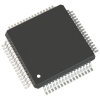
|
|
<p><span style="font-family: 隶书, SimLi; font-size: 18px;">56800E 56F8xxx Microcontroller IC 16-Bit 60MHz 48KB (24K x 16) FLASH 64-LQFP (10x10)</span></p><p><span style="white-space: nowrap; font-family: 隶书, SimLi; font-size: 18px;"><br/></span></p><p><span style="text-decoration: underline; color: rgb(0, 176, 240); font-family: 隶书, SimLi; font-size: 18px;"><strong><span style="font-size: 18px; color: rgb(0, 176, 240); font-family: 隶书, SimLi; text-decoration: underline; white-space: nowrap;">MC56F825x/MC56F824xDigital Signal Controller</span></strong></span></p><p><span style="white-space: nowrap; font-family: 隶书, SimLi; font-size: 18px;">The MC56F825x/MC56F824x is a member of the 56800E core-based family of digital signal controllers (DSCs). It</span></p><p><span style="white-space: nowrap; font-family: 隶书, SimLi; font-size: 18px;">combines, on a single chip, the processing power of a DSP and the functionality of a microcontroller with a flexible set of</span></p><p><span style="white-space: nowrap; font-family: 隶书, SimLi; font-size: 18px;">peripherals to create a cost-effective solution. Because of its low cost, configuration flexibility, and compact program</span></p><p><span style="white-space: nowrap; font-family: 隶书, SimLi; font-size: 18px;">code, it is well-suited for many applications. The</span></p><p><span style="white-space: nowrap; font-family: 隶书, SimLi; font-size: 18px;">MC56F825x/MC56F824x includes many peripherals that are especially useful for cost-sensitive applications, including:</span></p><p><span style="white-space: nowrap; font-family: 隶书, SimLi; font-size: 18px;">• Industrial control</span></p><p><span style="white-space: nowrap; font-family: 隶书, SimLi; font-size: 18px;">• Home appliances</span></p><p><span style="white-space: nowrap; font-family: 隶书, SimLi; font-size: 18px;">• Smart sensors</span></p><p><span style="white-space: nowrap; font-family: 隶书, SimLi; font-size: 18px;">• Fire and security systems</span></p><p><span style="white-space: nowrap; font-family: 隶书, SimLi; font-size: 18px;">• Solar inverters</span></p><p><span style="white-space: nowrap; font-family: 隶书, SimLi; font-size: 18px;">• Battery chargers and management</span></p><p><span style="white-space: nowrap; font-family: 隶书, SimLi; font-size: 18px;">• Switched-mode power supplies and power management</span></p><p><span style="white-space: nowrap; font-family: 隶书, SimLi; font-size: 18px;">• Power metering</span></p><p><span style="white-space: nowrap; font-family: 隶书, SimLi; font-size: 18px;">• Motor control (ACIM, BLDC, PMSM, SR, and stepper)</span></p><p><span style="white-space: nowrap; font-family: 隶书, SimLi; font-size: 18px;">• Handheld power tools</span></p><p><span style="white-space: nowrap; font-family: 隶书, SimLi; font-size: 18px;">• Arc detection</span></p><p><span style="white-space: nowrap; font-family: 隶书, SimLi; font-size: 18px;">• Medical devices/equipment</span></p><p><span style="white-space: nowrap; font-family: 隶书, SimLi; font-size: 18px;">• Instrumentation</span></p><p><span style="white-space: nowrap; font-family: 隶书, SimLi; font-size: 18px;">• Lighting ballast</span></p><p><span style="white-space: nowrap; font-family: 隶书, SimLi; font-size: 18px;">The 56800E core is based on a modified Harvard-style architecture consisting of three execution units operating in</span></p><p><span style="white-space: nowrap; font-family: 隶书, SimLi; font-size: 18px;">parallel, allowing as many as six operations per instruction cycle. The MCU-style programming model and optimized</span></p><p><span style="white-space: nowrap; font-family: 隶书, SimLi; font-size: 18px;">instruction set allow straightforward generation of efficient, compact DSP and control code. The instruction set is also</span></p><p><span style="white-space: nowrap; font-family: 隶书, SimLi; font-size: 18px;">highly efficient for C compilers to enable rapid development of optimized control applications.</span></p><p><span style="white-space: nowrap; font-family: 隶书, SimLi; font-size: 18px;">The MC56F825x/MC56F824x supports program execution from internal memories. Two data operands per instruction</span></p><p><span style="white-space: nowrap; font-family: 隶书, SimLi; font-size: 18px;">cycle can be accessed from the on-chip data RAM. A full set of programmable peripherals supports various applications.</span></p><p><span style="white-space: nowrap; font-family: 隶书, SimLi; font-size: 18px;">Each peripheral can be independently shut down to save power. Any pin, except Power pins and the Reset pin, can also</span></p><p><span style="white-space: nowrap; font-family: 隶书, SimLi; font-size: 18px;">be configured as General Purpose Input/Outputs (GPIOs)</span></p><p><span style="white-space: nowrap; font-family: 隶书, SimLi; font-size: 18px;"><br/></span></p><p><span style="text-decoration: underline; color: rgb(0, 176, 240); font-family: 隶书, SimLi; font-size: 18px;"><strong><span style="font-size: 18px; color: rgb(0, 176, 240); font-family: 隶书, SimLi; text-decoration: underline; white-space: nowrap;">On-chip features include:</span></strong></span></p><p><span style="white-space: nowrap; font-family: 隶书, SimLi; font-size: 18px;">• 60 MHz operation frequency</span></p><p><span style="white-space: nowrap; font-family: 隶书, SimLi; font-size: 18px;">• DSP and MCU functionality in a unified, C-efficient architecture</span></p><p><span style="white-space: nowrap; font-family: 隶书, SimLi; font-size: 18px;">• On-chip memory</span></p><p><span style="white-space: nowrap; font-family: 隶书, SimLi; font-size: 18px;">– 56F8245/46: 48 KB (24K x 16) flash memory; 6 KB</span></p><p><span style="white-space: nowrap; font-family: 隶书, SimLi; font-size: 18px;">(3K x 16) unified data/program RAM</span></p><p><span style="white-space: nowrap; font-family: 隶书, SimLi; font-size: 18px;">– 56F8247: 48 KB (24K x 16) flash memory; 8 KB</span></p><p><span style="white-space: nowrap; font-family: 隶书, SimLi; font-size: 18px;">(4K x 16) unified data/program RAM</span></p><p><span style="white-space: nowrap; font-family: 隶书, SimLi; font-size: 18px;">– 56F8255/56/57: 64 KB (32K x 16) flash memory; 8 KB</span></p><p><span style="white-space: nowrap; font-family: 隶书, SimLi; font-size: 18px;">(4K x 16) unified data/program RAM</span></p><p><span style="white-space: nowrap; font-family: 隶书, SimLi; font-size: 18px;">• eFlexPWM with up to 9 channels, including 6 channels</span></p><p><span style="white-space: nowrap; font-family: 隶书, SimLi; font-size: 18px;">with high (520 ps) resolution NanoEdge placement</span></p><p><span style="white-space: nowrap; font-family: 隶书, SimLi; font-size: 18px;">• Two 8-channel, 12-bit analog-to-digital converters (ADCs)</span></p><p><span style="white-space: nowrap; font-family: 隶书, SimLi; font-size: 18px;">with dynamic x2 and x4 programmable amplifier,</span></p><p><span style="white-space: nowrap; font-family: 隶书, SimLi; font-size: 18px;">conversion time as short as 600 ns, and input</span></p><p><span style="white-space: nowrap; font-family: 隶书, SimLi; font-size: 18px;">current-injection protection</span></p><p><span style="white-space: nowrap; font-family: 隶书, SimLi; font-size: 18px;">• Three analog comparators with integrated 5-bit DAC references</span></p><p><span style="white-space: nowrap; font-family: 隶书, SimLi; font-size: 18px;">• Cyclic Redundancy Check (CRC) Generator</span></p><p><span style="white-space: nowrap; font-family: 隶书, SimLi; font-size: 18px;">• Two high-speed queued serial communication interface</span></p><p><span style="white-space: nowrap; font-family: 隶书, SimLi; font-size: 18px;">(QSCI) modules with LIN slave functionality</span></p><p><span style="white-space: nowrap; font-family: 隶书, SimLi; font-size: 18px;">• Queued serial peripheral interface (QSPI) module</span></p><p><span style="white-space: nowrap; font-family: 隶书, SimLi; font-size: 18px;">• Two SMBus-compatible inter-integrated circuit (I2C) ports</span></p><p><span style="white-space: nowrap; font-family: 隶书, SimLi; font-size: 18px;">• Freescale’s scalable controller area network (MSCAN) 2.0 A/B module</span></p><p><span style="white-space: nowrap; font-family: 隶书, SimLi; font-size: 18px;">• Two 16-bit quad timers (2 x 4 16-bit timers)</span></p><p><span style="white-space: nowrap; font-family: 隶书, SimLi; font-size: 18px;">• Computer operating properly (COP) watchdog module</span></p><p><span style="white-space: nowrap; font-family: 隶书, SimLi; font-size: 18px;">• On-chip relaxation oscillator: 8 MHz (400 kHz at standby mode)</span></p><p><span style="white-space: nowrap; font-family: 隶书, SimLi; font-size: 18px;">• Crystal/resonator oscillator</span></p><p><span style="white-space: nowrap; font-family: 隶书, SimLi; font-size: 18px;">• Integrated power-on reset (POR) and low-voltage interrupt</span></p><p><span style="white-space: nowrap; font-family: 隶书, SimLi; font-size: 18px;">(LVI) and brown-out reset module</span></p><p><span style="white-space: nowrap; font-family: 隶书, SimLi; font-size: 18px;">• Inter-module crossbar connection</span></p><p><span style="white-space: nowrap; font-family: 隶书, SimLi; font-size: 18px;">• Up to 54 GPIOs</span></p><p><span style="white-space: nowrap; font-family: 隶书, SimLi; font-size: 18px;">• 44-pin LQFP, 48-pin LQFP, and 64-pin LQFP packages</span></p><p><span style="white-space: nowrap; font-family: 隶书, SimLi; font-size: 18px;">• Single supply: 3.0 V to 3.6 V</span></p><p><span style="white-space: nowrap; font-family: 隶书, SimLi; font-size: 18px;"><br/></span></p><p><span style="text-decoration: underline; color: rgb(0, 176, 240);"><strong><span style="text-decoration: underline; white-space: nowrap; font-family: 隶书, SimLi; font-size: 18px;">NXP Electronics components unboxing,humidity card changed color chip can used?</span></strong></span></p><p><span style="text-decoration: underline; color: rgb(0, 176, 240);"><strong><span style="text-decoration: underline; white-space: nowrap; font-family: 隶书, SimLi; font-size: 18px;"><br/></span></strong></span></p><p><span style="text-decoration: underline; color: rgb(0, 176, 240);"><strong><span style="text-decoration: underline; white-space: nowrap; font-family: 隶书, SimLi; font-size: 18px;"><br/></span></strong></span></p><p style="text-align: center;"><iframe width="700" height="415" src="https://www.youtube.com/embed/ZS7_PXh7ezA?si=O5W2JFsLyF98kigL" title="YouTube video player" frameborder="0" allow="accelerometer; autoplay; clipboard-write; encrypted-media; gyroscope; picture-in-picture; web-share" referrerpolicy="strict-origin-when-cross-origin" allowfullscreen=""></iframe></p><p><span style="text-decoration: underline; color: rgb(0, 176, 240);"><strong><span style="text-decoration: underline; white-space: nowrap; font-family: 隶书, SimLi; font-size: 18px;"><br/></span></strong></span></p><p><br/></p>
|
7697
|
64-LQFP
|
|
||||||||||||||||||||||||
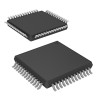
|
|
<p><span style="font-family: 隶书, SimLi; font-size: 18px;">HCS12 HCS12 Microcontroller IC 16-Bit 25MHz 96KB (96K x 8) FLASH 52-QFP (10x10)</span></p><p><br/></p><p><span style="text-decoration: underline; color: rgb(0, 176, 240); font-family: 隶书, SimLi; font-size: 18px;"><strong><span style="font-size: 18px; color: rgb(0, 176, 240); font-family: 隶书, SimLi; text-decoration: underline; white-space: nowrap;">Introduction</span></strong></span></p><p><span style="white-space: nowrap; font-family: 隶书, SimLi; font-size: 18px;">The MC9S12C-Family / MC9S12GC-Family are 48/52/80 pin Flash-based MCU families, which deliver</span></p><p><span style="white-space: nowrap; font-family: 隶书, SimLi; font-size: 18px;">the power and flexibility of the 16-bit core to a whole new range of cost and space sensitive, general</span></p><p><span style="white-space: nowrap; font-family: 隶书, SimLi; font-size: 18px;">purpose industrial and automotive network applications. All MC9S12C-Family / MC9S12GC-Family</span></p><p><span style="white-space: nowrap; font-family: 隶书, SimLi; font-size: 18px;">members feature standard on-chip peripherals including a 16-bit central processing unit (CPU12), up to</span></p><p><span style="white-space: nowrap; font-family: 隶书, SimLi; font-size: 18px;">128K bytes of Flash EEPROM, up to 4K bytes of RAM, an asynchronous serial communications interface</span></p><p><span style="white-space: nowrap; font-family: 隶书, SimLi; font-size: 18px;">(SCI), a serial peripheral interface (SPI), an 8-channel 16-bit timer module (TIM), a 6-channel 8-bit pulse</span></p><p><span style="white-space: nowrap; font-family: 隶书, SimLi; font-size: 18px;">width modulator (PWM), an 8-channel, 10-bit analog-to-digital converter (ADC).</span></p><p><span style="white-space: nowrap; font-family: 隶书, SimLi; font-size: 18px;">The MC9S12C128-Family members also feature a CAN 2.0 A, B software compatible module</span></p><p><span style="white-space: nowrap; font-family: 隶书, SimLi; font-size: 18px;">(MSCAN12).</span></p><p><span style="white-space: nowrap; font-family: 隶书, SimLi; font-size: 18px;">All MC9S12C-Family / MC9S12GC-Family devices feature full 16-bit data paths throughout. The</span></p><p><span style="white-space: nowrap; font-family: 隶书, SimLi; font-size: 18px;">inclusion of a PLL circuit allows power consumption and performance to be adjusted to suit operational</span></p><p><span style="white-space: nowrap; font-family: 隶书, SimLi; font-size: 18px;">requirements. In addition to the I/O ports available in each module, up to 10 dedicated I/O port bits are</span></p><p><span style="white-space: nowrap; font-family: 隶书, SimLi; font-size: 18px;">available with wake-up capability from stop or wait mode. The devices are available in 48-, 52-, and 80-</span></p><p><span style="white-space: nowrap; font-family: 隶书, SimLi; font-size: 18px;">pin QFP packages, with the 80-pin version pin compatible to the HCS12 A, B, and D Family derivatives.</span></p><p><span style="white-space: nowrap; font-family: 隶书, SimLi; font-size: 18px;"><br/></span></p><p><span style="text-decoration: underline; color: rgb(0, 176, 240); font-family: 隶书, SimLi; font-size: 18px;"><strong><span style="font-size: 18px; color: rgb(0, 176, 240); font-family: 隶书, SimLi; text-decoration: underline; white-space: nowrap;">Features</span></strong></span></p><p><span style="white-space: nowrap; font-family: 隶书, SimLi; font-size: 18px;">• 16-bit HCS12 core:</span></p><p><span style="white-space: nowrap; font-family: 隶书, SimLi; font-size: 18px;">— HCS12 CPU</span></p><p><span style="white-space: nowrap; font-family: 隶书, SimLi; font-size: 18px;">– Upward compatible with M68HC11 instruction set</span></p><p><span style="white-space: nowrap; font-family: 隶书, SimLi; font-size: 18px;">– Interrupt stacking and programmer’s model identical to M68HC11</span></p><p><span style="white-space: nowrap; font-family: 隶书, SimLi; font-size: 18px;">– Instruction queue</span></p><p><span style="white-space: nowrap; font-family: 隶书, SimLi; font-size: 18px;">– Enhanced indexed addressing</span></p><p><span style="white-space: nowrap; font-family: 隶书, SimLi; font-size: 18px;">— MMC (memory map and interface)</span></p><p><span style="white-space: nowrap; font-family: 隶书, SimLi; font-size: 18px;">— INT (interrupt control)</span></p><p><span style="white-space: nowrap; font-family: 隶书, SimLi; font-size: 18px;">— BDM (background debug mode)</span></p><p><span style="white-space: nowrap; font-family: 隶书, SimLi; font-size: 18px;">— DBG12 (enhanced debug12 module, including breakpoints and change-of-flow trace buffer)</span></p><p><span style="white-space: nowrap; font-family: 隶书, SimLi; font-size: 18px;">— MEBI (multiplexed expansion bus interface) available only in 80-pin package version</span></p><p><span style="white-space: nowrap; font-family: 隶书, SimLi; font-size: 18px;">• Wake-up interrupt inputs:</span></p><p><span style="white-space: nowrap; font-family: 隶书, SimLi; font-size: 18px;">— Up to 12 port bits available for wake up interrupt function with digital filtering</span></p><p><span style="white-space: nowrap; font-family: 隶书, SimLi; font-size: 18px;">• Memory options:</span></p><p><span style="white-space: nowrap; font-family: 隶书, SimLi; font-size: 18px;">— 16K or 32Kbyte Flash EEPROM (erasable in 512-byte sectors)</span></p><p><span style="white-space: nowrap; font-family: 隶书, SimLi; font-size: 18px;">64K, 96K, or 128Kbyte Flash EEPROM (erasable in 1024-byte sectors)</span></p><p><span style="white-space: nowrap; font-family: 隶书, SimLi; font-size: 18px;">— 1K, 2K or 4K Byte RAM</span></p><p><span style="white-space: nowrap; font-family: 隶书, SimLi; font-size: 18px;">• Analog-to-digital converters:</span></p><p><span style="white-space: nowrap; font-family: 隶书, SimLi; font-size: 18px;">— One 8-channel module with 10-bit resolution</span></p><p><span style="white-space: nowrap; font-family: 隶书, SimLi; font-size: 18px;">— External conversion trigger capability</span></p><p><span style="white-space: nowrap; font-family: 隶书, SimLi; font-size: 18px;">• Available on MC9S12C Family:</span></p><p><span style="white-space: nowrap; font-family: 隶书, SimLi; font-size: 18px;">— One 1M bit per second, CAN 2.0 A, B software compatible module</span></p><p><span style="white-space: nowrap; font-family: 隶书, SimLi; font-size: 18px;">— Five receive and three transmit buffers</span></p><p><span style="white-space: nowrap; font-family: 隶书, SimLi; font-size: 18px;">— Flexible identifier filter programmable as 2 x 32 bit, 4 x 16 bit, or 8 x 8 bit</span></p><p><span style="white-space: nowrap; font-family: 隶书, SimLi; font-size: 18px;">— Four separate interrupt channels for Rx, Tx, error, and wake-up</span></p><p><span style="white-space: nowrap; font-family: 隶书, SimLi; font-size: 18px;">— Low-pass filter wake-up function</span></p><p><span style="white-space: nowrap; font-family: 隶书, SimLi; font-size: 18px;">— Loop-back for self test operation</span></p><p><span style="white-space: nowrap; font-family: 隶书, SimLi; font-size: 18px;">• Timer module (TIM):</span></p><p><span style="white-space: nowrap; font-family: 隶书, SimLi; font-size: 18px;">— 8-channel timer</span></p><p><span style="white-space: nowrap; font-family: 隶书, SimLi; font-size: 18px;">— Each channel configurable as either input capture or output compare</span></p><p><span style="white-space: nowrap; font-family: 隶书, SimLi; font-size: 18px;">— Simple PWM mode</span></p><p><span style="white-space: nowrap; font-family: 隶书, SimLi; font-size: 18px;">— Modulo reset of timer counter</span></p><p><span style="white-space: nowrap; font-family: 隶书, SimLi; font-size: 18px;">— 16-bit pulse accumulator</span></p><p><span style="white-space: nowrap; font-family: 隶书, SimLi; font-size: 18px;">— External event counting</span></p><p><span style="white-space: nowrap; font-family: 隶书, SimLi; font-size: 18px;">— Gated time accumulation</span></p><p><span style="white-space: nowrap; font-family: 隶书, SimLi; font-size: 18px;">• PWM module:</span></p><p><span style="white-space: nowrap; font-family: 隶书, SimLi; font-size: 18px;">— Programmable period and duty cycle</span></p><p><span style="white-space: nowrap; font-family: 隶书, SimLi; font-size: 18px;">— 8-bit 6-channel or 16-bit 3-channel</span></p><p><span style="white-space: nowrap; font-family: 隶书, SimLi; font-size: 18px;">— Separate control for each pulse width and duty cycle</span></p><p><span style="white-space: nowrap; font-family: 隶书, SimLi; font-size: 18px;">— Center-aligned or left-aligned outputs</span></p><p><span style="white-space: nowrap; font-family: 隶书, SimLi; font-size: 18px;">— Programmable clock select logic with a wide range of frequencies</span></p><p><span style="white-space: nowrap; font-family: 隶书, SimLi; font-size: 18px;">— Fast emergency shutdown input</span></p><p><span style="white-space: nowrap; font-family: 隶书, SimLi; font-size: 18px;">• Serial interfaces:</span></p><p><span style="white-space: nowrap; font-family: 隶书, SimLi; font-size: 18px;">— One asynchronous serial communications interface (SCI)</span></p><p><span style="white-space: nowrap; font-family: 隶书, SimLi; font-size: 18px;">— One synchronous serial peripheral interface (SPI)</span></p><p><span style="white-space: nowrap; font-family: 隶书, SimLi; font-size: 18px;">• CRG (clock reset generator module)</span></p><p><span style="white-space: nowrap; font-family: 隶书, SimLi; font-size: 18px;">— Windowed COP watchdog</span></p><p><span style="white-space: nowrap; font-family: 隶书, SimLi; font-size: 18px;">— Real time interrupt</span></p><p><span style="white-space: nowrap; font-family: 隶书, SimLi; font-size: 18px;">— Clock monitor</span></p><p><span style="white-space: nowrap; font-family: 隶书, SimLi; font-size: 18px;">— Pierce or low current Colpitts oscillator</span></p><p><span style="white-space: nowrap; font-family: 隶书, SimLi; font-size: 18px;">— Phase-locked loop clock frequency multiplier</span></p><p><span style="white-space: nowrap; font-family: 隶书, SimLi; font-size: 18px;">— Limp home mode in absence of external clock</span></p><p><span style="white-space: nowrap; font-family: 隶书, SimLi; font-size: 18px;">— Low power 0.5MHz to 16MHz crystal oscillator reference clock</span></p><p><span style="white-space: nowrap; font-family: 隶书, SimLi; font-size: 18px;">• Operating frequency:</span></p><p><span style="white-space: nowrap; font-family: 隶书, SimLi; font-size: 18px;">— 32MHz equivalent to 16MHz bus speed for single chip</span></p><p><span style="white-space: nowrap; font-family: 隶书, SimLi; font-size: 18px;">— 32MHz equivalent to 16MHz bus speed in expanded bus modes</span></p><p><span style="white-space: nowrap; font-family: 隶书, SimLi; font-size: 18px;">— Option of 9S12C Family: 50MHz equivalent to 25MHz bus speed</span></p><p><span style="white-space: nowrap; font-family: 隶书, SimLi; font-size: 18px;">— All 9S12GC Family members allow a 50MHz operating frequency.</span></p><p><span style="white-space: nowrap; font-family: 隶书, SimLi; font-size: 18px;">• Internal 2.5V regulator:</span></p><p><span style="white-space: nowrap; font-family: 隶书, SimLi; font-size: 18px;">— Supports an input voltage range from 2.97V to 5.5V</span></p><p><span style="white-space: nowrap; font-family: 隶书, SimLi; font-size: 18px;">— Low power mode capability</span></p><p><span style="white-space: nowrap; font-family: 隶书, SimLi; font-size: 18px;">— Includes low voltage reset (LVR) circuitry</span></p><p><span style="white-space: nowrap; font-family: 隶书, SimLi; font-size: 18px;">— Includes low voltage interrupt (LVI) circuitry</span></p><p><span style="white-space: nowrap; font-family: 隶书, SimLi; font-size: 18px;">• 48-pin LQFP, 52-pin LQFP, or 80-pin QFP package:</span></p><p><span style="white-space: nowrap; font-family: 隶书, SimLi; font-size: 18px;">— Up to 58 I/O lines with 5V input and drive capability (80-pin package)</span></p><p><span style="white-space: nowrap; font-family: 隶书, SimLi; font-size: 18px;">— Up to 2 dedicated 5V input only lines (IRQ, XIRQ)</span></p><p><span style="white-space: nowrap; font-family: 隶书, SimLi; font-size: 18px;">— 5V 8 A/D converter inputs and 5V I/O</span></p><p><span style="white-space: nowrap; font-family: 隶书, SimLi; font-size: 18px;">• Development support:</span></p><p><span style="white-space: nowrap; font-family: 隶书, SimLi; font-size: 18px;">— Single-wire background debug™ mode (BDM)</span></p><p><span style="white-space: nowrap; font-family: 隶书, SimLi; font-size: 18px;">— On-chip hardware breakpoints</span></p><p><span style="white-space: nowrap; font-family: 隶书, SimLi; font-size: 18px;">— Enhanced DBG12 debug features</span></p><p><span style="white-space: nowrap; font-family: 隶书, SimLi; font-size: 18px;"><br/></span></p><p><span style="text-decoration: underline; color: rgb(0, 176, 240);"><strong><span style="text-decoration: underline; white-space: nowrap; font-family: 隶书, SimLi; font-size: 18px;">NXP Electronics components unboxing,humidity card changed color chip can used?</span></strong></span></p><p><span style="text-decoration: underline; color: rgb(0, 176, 240);"><strong><span style="text-decoration: underline; white-space: nowrap; font-family: 隶书, SimLi; font-size: 18px;"><br/></span></strong></span></p><p><span style="text-decoration: underline; color: rgb(0, 176, 240);"><strong><span style="text-decoration: underline; white-space: nowrap; font-family: 隶书, SimLi; font-size: 18px;"><br/></span></strong></span></p><p style="text-align: center;"><iframe width="700" height="415" src="https://www.youtube.com/embed/ZS7_PXh7ezA?si=O5W2JFsLyF98kigL" title="YouTube video player" frameborder="0" allow="accelerometer; autoplay; clipboard-write; encrypted-media; gyroscope; picture-in-picture; web-share" referrerpolicy="strict-origin-when-cross-origin" allowfullscreen=""></iframe></p><p><span style="text-decoration: underline; color: rgb(0, 176, 240);"><strong><span style="text-decoration: underline; white-space: nowrap; font-family: 隶书, SimLi; font-size: 18px;"><br/></span></strong></span></p><p><br/></p>
|
7935
|
52-LQFP
|
|
||||||||||||||||||||||||
|
|
|
PowerPC e500 Microprocessor IC MPC85xx 1 Core, 32-Bit 1.5GHz 783-FCPBGA (29x29)
|
361
|
783-BBGA, FCBGA
|
|
||||||||||||||||||||||||
|
|
|
Coldfire V2 MCF520x Microcontroller IC 32-Bit Single-Core 166.67MHz ROMless 144-MAPBGA (13x13)
|
4123
|
144-LBGA
|
|
||||||||||||||||||||||||
|
|
|
Floating-Point Co-Processor 68-PGA (26.92x26.92)
|
54
|
68-BCPGA
|
|
||||||||||||||||||||||||
|
|
|
EC000 Microprocessor IC M680x0 1 Core, 32-Bit 8MHz 68-PLCC (24.21x24.21)
|
8332
|
68-LCC (J-Lead)
|
|
||||||||||||||||||||||||
|
|
|
ARM920T Microprocessor IC i.MXL 1 Core, 32-Bit 150MHz 225-MAPBGA (13x13)
|
8561
|
225-LFBGA
|
|
||||||||||||||||||||||||
|
|
|
Motor Driver Power MOSFET Parallel 54-SOIC-EP
|
3423
|
54-SSOP (0.295", 7.50mm Width) Exposed Pad
|
|
||||||||||||||||||||||||