FIRST ORDER
FREE 10% DISCOUNT




NXP USA Inc.
Alarms, Buzzers, and Sirens
-
Stacked
Scrolling
|
Img
|
Pdf
|
Part Number
|
Manufacturers
|
Desc
|
In Stock
|
Packing
|
Rfq
|
||||||||||||||||||||||||||||||||
|---|---|---|---|---|---|---|---|---|---|---|---|---|---|---|---|---|---|---|---|---|---|---|---|---|---|---|---|---|---|---|---|---|---|---|---|---|---|---|---|
|
|

|
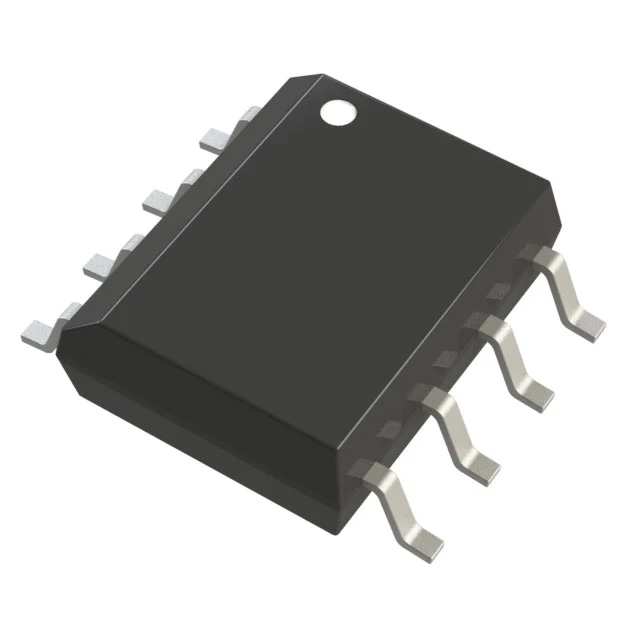
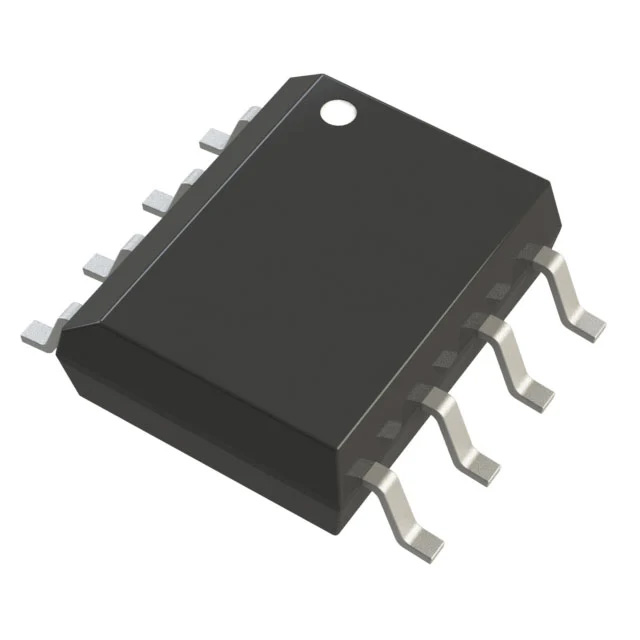
RS08 RS08 Microcontroller IC 8-Bit 20MHz 8KB (8K x 8) FLASH 16-SOIC
|
64
|
16-SOIC (0.154", 3.90mm Width)
|
|
||||||||||||||||||||||||||||||||||
|
|
|
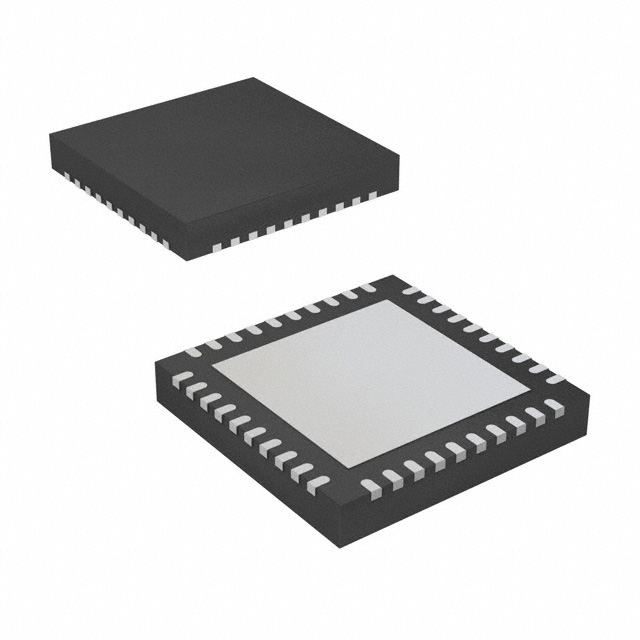
Video Shifter IC I²C DVI v1.0, HDMI v1.3a 48-HVQFN (7x7) Package
|
4919
|
48-VFQFN Exposed Pad
|
|
||||||||||||||||||||||||||||||||||
|
|
|
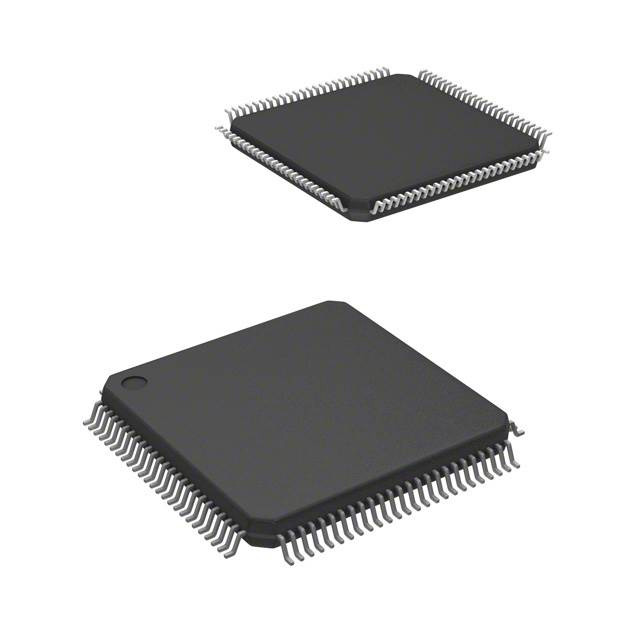
e200z4 MPC57xx Microcontroller IC 32-Bit Dual-Core 180MHz 2.5MB (2.5M x 8) FLASH 144-LQFP (20x20)
|
9659
|
144-LQFP
|
|
||||||||||||||||||||||||||||||||||
|
|
|
ARM® Cortex®-M4F S32K Microcontroller IC 32-Bit Single-Core 112MHz 1MB (1M x 8) FLASH 144-LQFP (20x20)
|
7376
|
144-LQFP
|
|
||||||||||||||||||||||||||||||||||
|
|
|
Bipolar (BJT) Transistor
|
1
|
|
|||||||||||||||||||||||||||||||||||

|
|
HC08 HC08 Microcontroller IC 8-Bit 8MHz 1.5KB (1.5K x 8) FLASH 20-SOIC
|
1923
|
20-SOIC (0.295", 7.50mm Width)
|
|
||||||||||||||||||||||||||||||||||
|
|
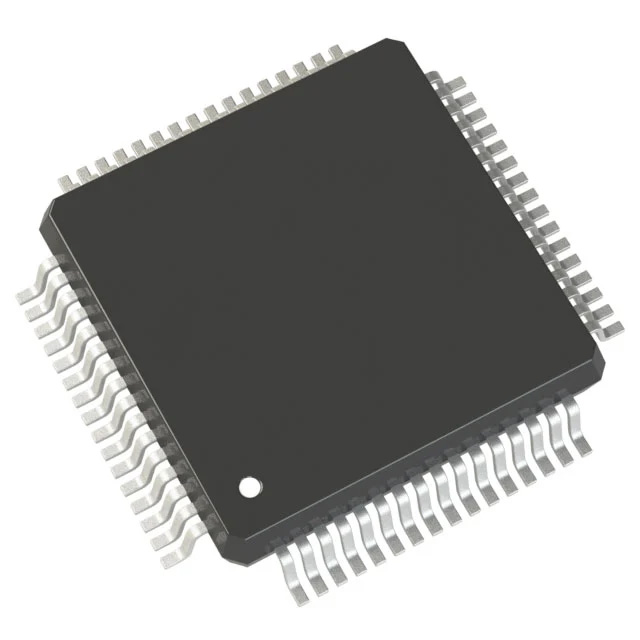
12V1 HCS12 Microcontroller IC 16-Bit 25MHz 48KB (48K x 8) FLASH 64-LQFP (10x10) Introduction The MC9S12G-Family is an optimized, automotive, 16-bit microcontroller product line focused on low-cost, high-performance, and low pin-count. This family is intended to bridge between high-end 8-bit microcontrollers and high-performance 16-bit microcontrollers, such as the MC9S12XS-Family. The MC9S12G-Family is targeted at generic automotive applications requiring CAN or LIN/J2602 communication. Typical examples of these applications include body controllers, occupant detection, door modules, seat controllers, RKE receivers, smart actuators, lighting modules, and smart junction boxes. The MC9S12G-Family uses many of the same features found on the MC9S12XS- and MC9S12P-Family, including error correction code (ECC) on flash memory, a fast analog-to-digital converter (ADC) and a frequency modulated phase locked loop (IPLL) that improves the EMC performance. The MC9S12G-Family is optimized for lower program memory sizes down to 16k. In order to simplify customer use it features an EEPROM with a small 4 bytes erase sector size. The MC9S12G-Family deliver all the advantages and efficiencies of a 16-bit MCU while retaining the low cost, power consumption, EMC, and code-size efficiency advantages currently enjoyed by users of NXP’s existing 8-bit and 16-bit MCU families. Like the MC9S12XS-Family, the MC9S12G-Family run 16-bit wide accesses without wait states for all peripherals and memories. The MC9S12G-Family is available in 100-pin LQFP, 64-pin LQFP, 48-pin LQFP/QFN, 32-pin LQFP and 20-pin TSSOP package options and aims to maximize the amount of functionality especially for the lower pin count packages. In addition to the I/O ports available in each module, further I/O ports are available with interrupt capability allowing wake-up from stop or wait modes. Chip-Level Features On-chip modules available within the family include the following features: • S12 CPU core • Up to 240 Kbyte on-chip flash with ECC • Up to 4 Kbyte EEPROM with ECC • Up to 11 Kbyte on-chip SRAM • Phase locked loop (IPLL) frequency multiplier with internal filter • 4–16 MHz amplitude controlled Pierce oscillator • 1 MHz internal RC oscillator • Timer module (TIM) supporting up to eight channels that provide a range of 16-bit input capture, output compare, counter, and pulse accumulator functions • Pulse width modulation (PWM) module with up to eight x 8-bit channels • Up to 16-channel, 10 or 12-bit resolution successive approximation analog-to-digital converter (ADC) • Up to two 8-bit digital-to-analog converters (DAC) • Up to one 5V analog comparator (ACMP) • Up to three serial peripheral interface (SPI) modules • Up to three serial communication interface (SCI) modules supporting LIN communications • Up to one multi-scalable controller area network (MSCAN) module (supporting CAN protocol 2.0A/B) • On-chip voltage regulator (VREG) for regulation of input supply and all internal voltages • Autonomous periodic interrupt (API) • Precision fixed voltage reference for ADC conversions • Optional reference voltage attenuator module to increase ADC accuracy |
7392
|
64-LQFP
|
|
||||||||||||||||||||||||||||||||||
|
|
|
Transimpedance Amplifier 1 Circuit Differential 14-SO
|
6771
|
14-SOIC (0.154", 3.90mm Width)
|
|
||||||||||||||||||||||||||||||||||
|
|
|
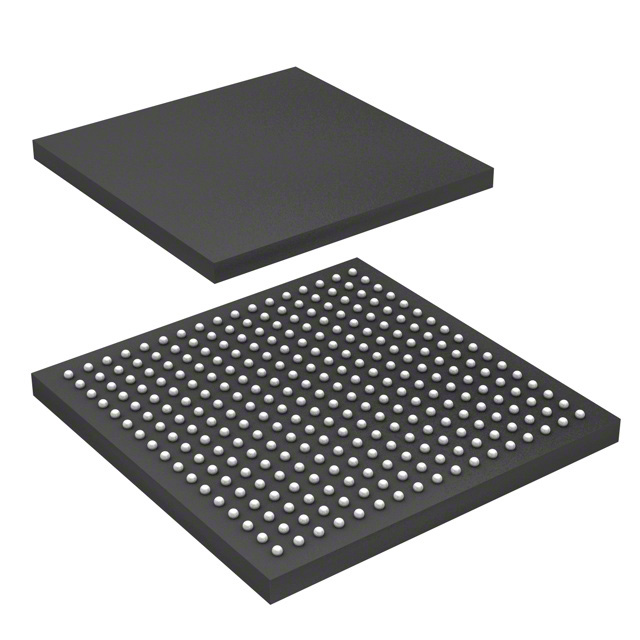
DSP 16BIT W/DDR CTRLR 400-MAPBGA
|
1507
|
400-LFBGA
|
|
||||||||||||||||||||||||||||||||||
|
|
|
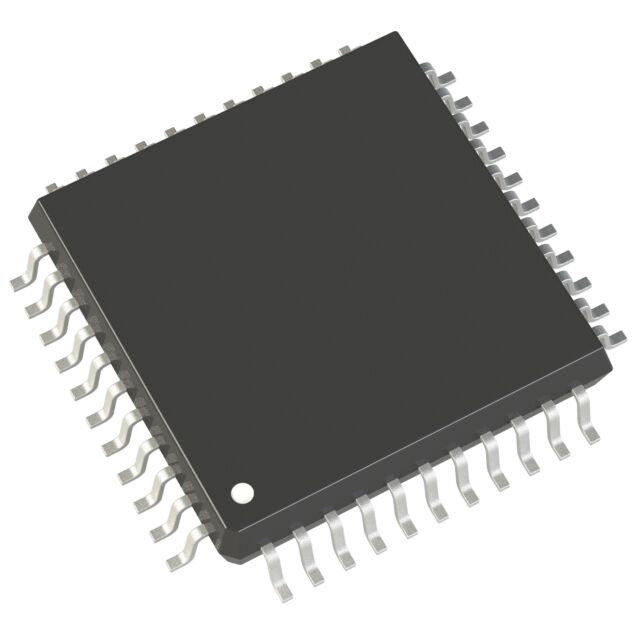
S08 S08 Microcontroller IC 8-Bit 40MHz 48KB (48K x 8) FLASH 44-LQFP (10x10)
|
2453
|
44-LQFP
|
|
||||||||||||||||||||||||||||||||||
|
|
|
ARM® Cortex®-M4 LPC40xx Microcontroller IC 32-Bit Single-Core 120MHz 512KB (512K x 8) FLASH 208-LQFP (28x28)
What are the most common mistakes made when sourcing electronic component? | ICONECHIPFor more product unboxing videos, please click on the link
|
5610
|
208-LQFP
|
|
||||||||||||||||||||||||||||||||||
|
|
|
e200z2, e200z4 MPC57xx Microcontroller IC 32-Bit Dual-Core 80MHz/160MHz 3MB (3M x 8) FLASH 256-MAPPBGA (17x17)
|
5574
|
256-LBGA
|
|
||||||||||||||||||||||||||||||||||
|
|
|
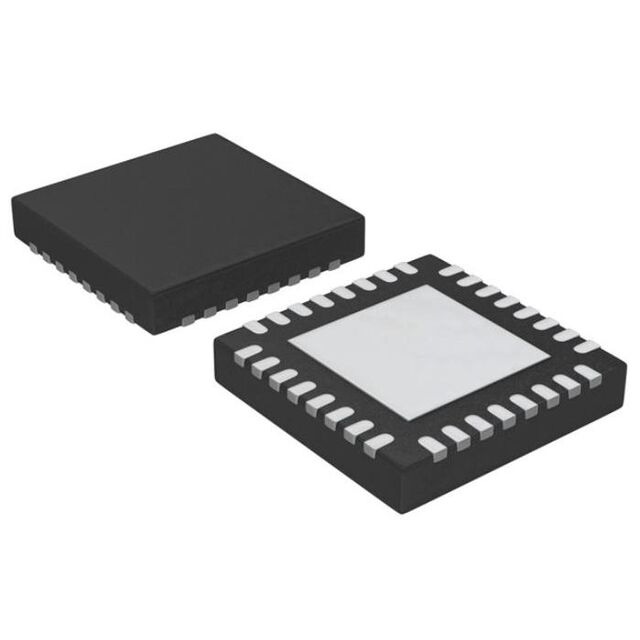
Embedded Systems, Low-Power IoT, Mobile/Wearable Devices PMIC 40-HVQFN (5x5)
|
8695
|
40-VFQFN Exposed Pad
|
|
||||||||||||||||||||||||||||||||||
|
|
|
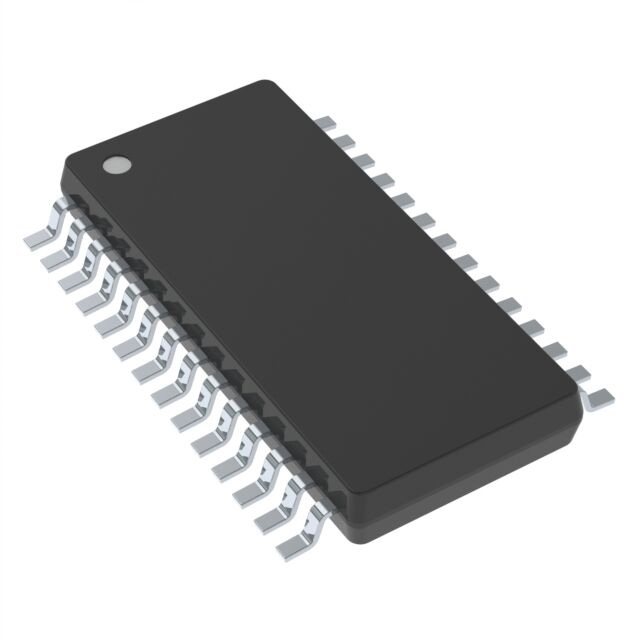
Buffer, Non-Inverting 1 Element 10 Bit per Element 3-State Output 24-SSOP
|
6326
|
24-SSOP (0.209", 5.30mm Width)
|
|
||||||||||||||||||||||||||||||||||
|
|
|
IC 3-8 DECOD/DEMUX INV 16TSSOP
|
42
|
|
|||||||||||||||||||||||||||||||||||
|
|
|
12V1 HCS12 Microcontroller IC 16-Bit 25MHz 48KB (48K x 8) FLASH 64-LQFP (10x10) Introduction The MC9S12G-Family is an optimized, automotive, 16-bit microcontroller product line focused on low-cost, high-performance, and low pin-count. This family is intended to bridge between high-end 8-bit microcontrollers and high-performance 16-bit microcontrollers, such as the MC9S12XS-Family. The MC9S12G-Family is targeted at generic automotive applications requiring CAN or LIN/J2602 communication. Typical examples of these applications include body controllers, occupant detection, door modules, seat controllers, RKE receivers, smart actuators, lighting modules, and smart junction boxes. The MC9S12G-Family uses many of the same features found on the MC9S12XS- and MC9S12P-Family, including error correction code (ECC) on flash memory, a fast analog-to-digital converter (ADC) and a frequency modulated phase locked loop (IPLL) that improves the EMC performance. The MC9S12G-Family is optimized for lower program memory sizes down to 16k. In order to simplify customer use it features an EEPROM with a small 4 bytes erase sector size. The MC9S12G-Family deliver all the advantages and efficiencies of a 16-bit MCU while retaining the low cost, power consumption, EMC, and code-size efficiency advantages currently enjoyed by users of NXP’s existing 8-bit and 16-bit MCU families. Like the MC9S12XS-Family, the MC9S12G-Family run 16-bit wide accesses without wait states for all peripherals and memories. The MC9S12G-Family is available in 100-pin LQFP, 64-pin LQFP, 48-pin LQFP/QFN, 32-pin LQFP and 20-pin TSSOP package options and aims to maximize the amount of functionality especially for the lower pin count packages. In addition to the I/O ports available in each module, further I/O ports are available with interrupt capability allowing wake-up from stop or wait modes. Chip-Level Features On-chip modules available within the family include the following features: • S12 CPU core • Up to 240 Kbyte on-chip flash with ECC • Up to 4 Kbyte EEPROM with ECC • Up to 11 Kbyte on-chip SRAM • Phase locked loop (IPLL) frequency multiplier with internal filter • 4–16 MHz amplitude controlled Pierce oscillator • 1 MHz internal RC oscillator • Timer module (TIM) supporting up to eight channels that provide a range of 16-bit input capture, output compare, counter, and pulse accumulator functions • Pulse width modulation (PWM) module with up to eight x 8-bit channels • Up to 16-channel, 10 or 12-bit resolution successive approximation analog-to-digital converter (ADC) • Up to two 8-bit digital-to-analog converters (DAC) • Up to one 5V analog comparator (ACMP) • Up to three serial peripheral interface (SPI) modules • Up to three serial communication interface (SCI) modules supporting LIN communications • Up to one multi-scalable controller area network (MSCAN) module (supporting CAN protocol 2.0A/B) • On-chip voltage regulator (VREG) for regulation of input supply and all internal voltages • Autonomous periodic interrupt (API) • Precision fixed voltage reference for ADC conversions • Optional reference voltage attenuator module to increase ADC accuracy |
2947
|
64-LQFP
|
|
||||||||||||||||||||||||||||||||||
|
|
|
S08 S08 Microcontroller IC 8-Bit 40MHz 60KB (60K x 8) FLASH 44-LQFP (10x10)
|
1173
|
44-LQFP
|
|
||||||||||||||||||||||||||||||||||
|
|
|
DSP 16BIT 300MHZ CPM 332FCBGA
|
1706
|
332-BFBGA, FCBGA
|
|
||||||||||||||||||||||||||||||||||
|
|
|
S08 S08 Microcontroller IC 8-Bit 40MHz 60KB (60K x 8) FLASH 48-LQFP (7x7)
|
1777
|
48-LQFP
|
|
||||||||||||||||||||||||||||||||||
|
|
|
N-Channel 40 V 75A (Tc) 96W (Tc) Through Hole TO-220AB
|
8330
|
TO-220-3
|
|
||||||||||||||||||||||||||||||||||
|
|
|
e200z2, e200z4 MPC57xx Microcontroller IC 32-Bit Dual-Core 80MHz/160MHz 4MB (4M x 8) FLASH 256-MAPPBGA (17x17)
|
7670
|
256-LBGA
|
|
||||||||||||||||||||||||||||||||||
|
|
|
Wireless Charging PMIC 64-LQFP (10x10)
|
6220
|
64-LQFP
|
|
||||||||||||||||||||||||||||||||||
|
|
|
Multiplexer 4 x 2:1 16-SSOP
|
6
|
16-SSOP (0.209", 5.30mm Width)
|
|
||||||||||||||||||||||||||||||||||
|
|
|
Decoder/Demultiplexer 1 x 3:8 16-SSOP
|
3475
|
16-SSOP (0.209", 5.30mm Width)
|
|
||||||||||||||||||||||||||||||||||
|
|
XA XA Microcontroller IC 16-Bit 30MHz 32KB (32K x 8) OTP 44-LQFP (10x10) FAMILY DESCRIPTION The Philips Semiconductors XA (eXtended Architecture) family of 16-bit single-chip microcontrollers is powerful enough to easily handle the requirements of high performance embedded applications, yet inexpensive enough to compete in the market for high-volume, low-cost applications. The XA family provides an upward compatibility path for 80C51 users who need higher performance and 64k or more of program memory. Existing 80C51 code can also easily be translated to run on XA microcontrollers. The performance of the XA architecture supports the comprehensive bit-oriented operations of the 80C51 while incorporating support for multi-tasking operating systems and high-level languages such as C. The speed of the XA architecture, at 10 to 100 times that of the 80C51, gives designers an easy path to truly high performance embedded control. The XA architecture supports: • Upward compatibility with the 80C51 architecture • 16-bit fully static CPU with a 24-bit program and data address range • Eight 16-bit CPU registers each capable of performing all arithmetic and logic operations as well as acting as memory pointers. Operations may also be performed directly to memory. • Both 8-bit and 16-bit CPU registers, each capable of performing all arithmetic and logic operations. • An enhanced instruction set that includes bit intensive logic operations and fast signed or unsigned 16 × 16 multiply and 32 / 16 divide • Instruction set tailored for high level language support • Multi-tasking and real-time executives that include up to 32 vectored interrupts, 16 software traps, segmented data memory, and banked registers to support context switching • Low power operation, which is intrinsic to the XA architecture, includes power-down and idle modes. SPECIFIC FEATURES OF THE XA-G37 • 20-bit address range, 1 megabyte each program and data space. (Note that the XA architecture supports up to 24 bit addresses.) • 2.7 V to 5.5 V operation • 32K bytes on-chip EPROM program memory • 512 bytes of on-chip data RAM • Three counter/timers with enhanced features (equivalent to 80C51 T0, T1, and T2) • Watchdog timer • Two enhanced UARTs • Four 8-bit I/O ports with 4 programmable output configurations • 44-pin PLCC and 44-pin LQFP packages NXP Electronics components unboxing,humidity card changed color chip can used? |
7642
|
44-LQFP
|
|
||||||||||||||||||||||||||||||||||
|
|
|
Flip Flop 2 Element D-Type 8 Bit Positive Edge 52-QFP
|
9980
|
52-QFP
|
|
||||||||||||||||||||||||||||||||||
|
|
|
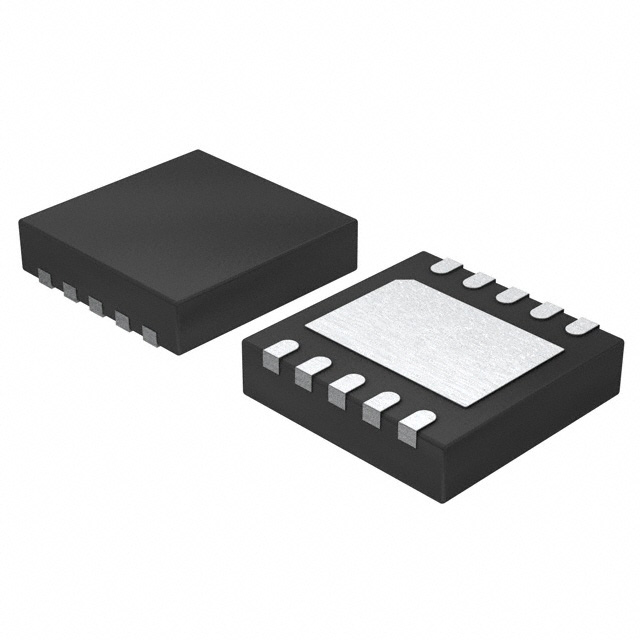
RS08 RS08 Microcontroller IC 8-Bit 10MHz 2KB (2K x 8) FLASH 6-DFN-EP (3x3)
|
9667
|
6-VDFN Exposed Pad
|
|
||||||||||||||||||||||||||||||||||
|
|
|
S08 S08 Microcontroller IC 8-Bit 40MHz 96KB (96K x 8) FLASH 100-LQFP (14x14)
|
7071
|
100-LQFP
|
|
||||||||||||||||||||||||||||||||||
|
|
|
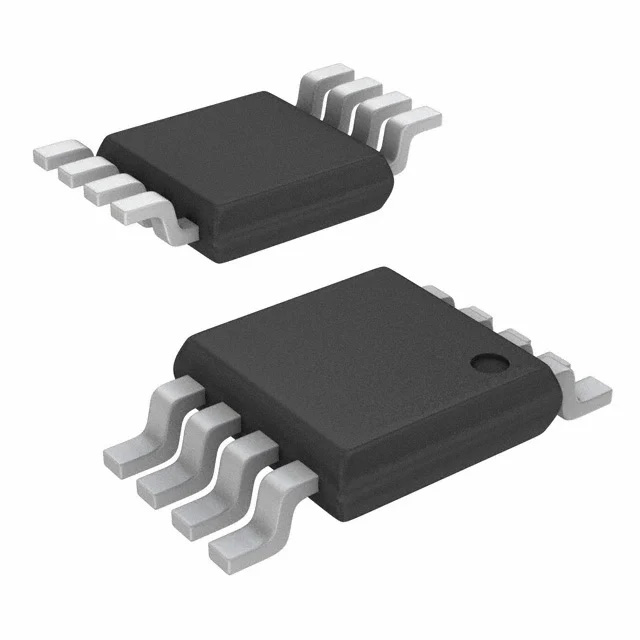
Buffer, ReDriver 2 Channel 400kHz 8-TSSOP
How do you identify which pin is pin 1 of an IC integrated circuit chip? |ICONECHIPFor more product unboxing videos, please click on the link
|
4
|
8-TSSOP, 8-MSOP (0.118
|
|
||||||||||||||||||||||||||||||||||
|
|
|
e200z2, e200z4 MPC57xx Microcontroller IC 32-Bit Dual-Core 80MHz/160MHz 6MB (6M x 8) FLASH 256-MAPPBGA (17x17)
|
7621
|
256-LBGA
|
|
||||||||||||||||||||||||||||||||||