FIRST ORDER
FREE 10% DISCOUNT

|
Img
|
Pdf
|
Part Number
|
Manufacturers
|
Desc
|
In Stock
|
Packing
|
Rfq
|
||||||||||||||||||||||||||||||||
|---|---|---|---|---|---|---|---|---|---|---|---|---|---|---|---|---|---|---|---|---|---|---|---|---|---|---|---|---|---|---|---|---|---|---|---|---|---|---|---|
|
* Microcontroller IC
|
6548
|
|
|||||||||||||||||||||||||||||||||||||
|
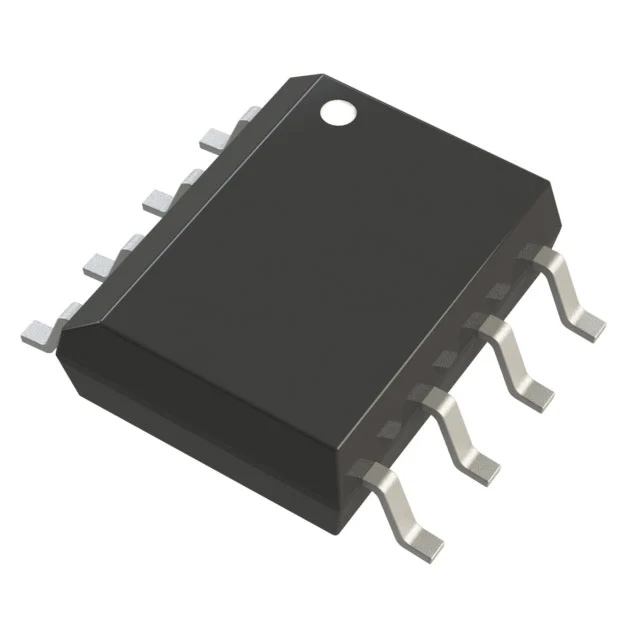
HC08 HC08 Microcontroller IC 8-Bit 8MHz 16KB (16K x 8) FLASH 32-LQFP (7x7)
|
2719
|
32-LQFP
|
|
||||||||||||||||||||||||||||||||||||
|
MPC8xx Microprocessor IC MPC8xx 1 Core, 32-Bit 80MHz 357-PBGA (25x25)
|
8039
|
357-BBGA
|
|
||||||||||||||||||||||||||||||||||||
|
PowerPC e300c4s Microprocessor IC MPC83xx 1 Core, 32-Bit 667MHz 689-TEPBGA II (31x31)
|
1544
|
689-BBGA Exposed Pad
|
|
||||||||||||||||||||||||||||||||||||
|
ARM® Cortex®-M0 LPC11Axx Microcontroller IC 32-Bit Single-Core 50MHz 16KB (16K x 8) FLASH 20-WLCSP (2.55x2.55)
What are the most common mistakes made when sourcing electronic component? | ICONECHIPFor more product unboxing videos, please click on the link
|
1288
|
20-UFBGA, WLCSP
|
|
||||||||||||||||||||||||||||||||||||
|
Memory Card Interface 20-WLCSP
|
2089
|
20-UFBGA, WLCSP
|
|
||||||||||||||||||||||||||||||||||||
|
12V1 HCS12 Microcontroller IC 16-Bit 25MHz 48KB (48K x 8) FLASH 32-LQFP (7x7)
|
2092
|
32-LQFP
|
|
||||||||||||||||||||||||||||||||||||
|
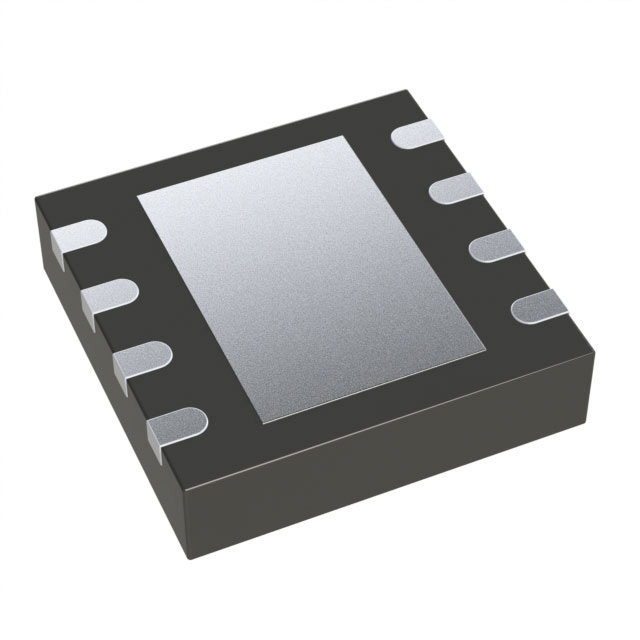
N-Channel 55 V 75A (Ta) 166W (Ta) Through Hole TO-220AB
|
2
|
TO-220-3
|
|
||||||||||||||||||||||||||||||||||||
|
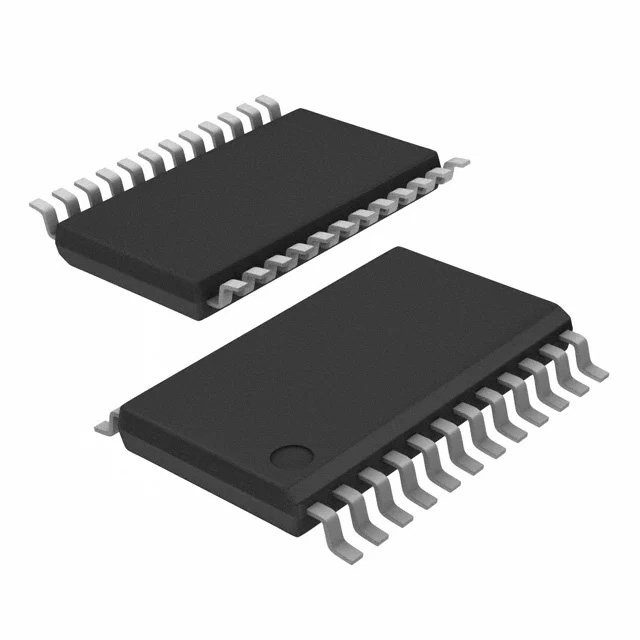
Diode Array
|
6649
|
|
|||||||||||||||||||||||||||||||||||||
|
RF Mosfet 48 V 2.4GHz ~ 2.5GHz 15.2dB 300W NI-780-4
|
5782
|
NI-780-4
|
|
||||||||||||||||||||||||||||||||||||
|
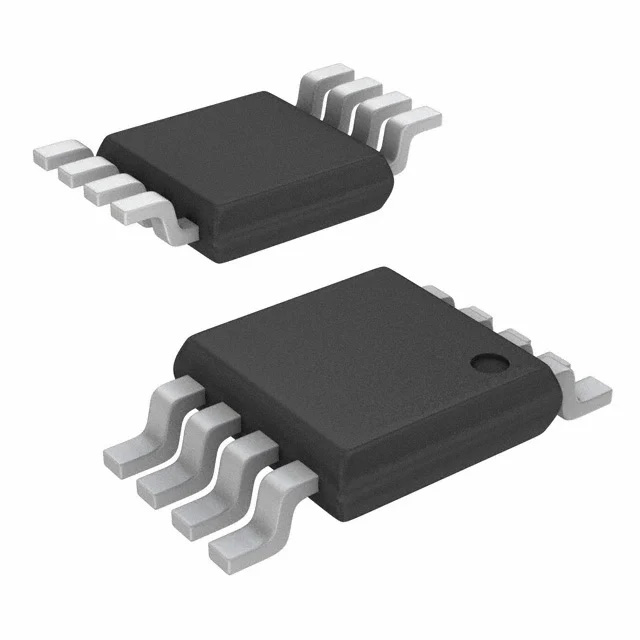
HC08 HC08 Microcontroller IC 8-Bit 8MHz 60KB (60K x 8) FLASH 64-QFP (14x14)
|
5581
|
64-QFP
|
|
||||||||||||||||||||||||||||||||||||
|
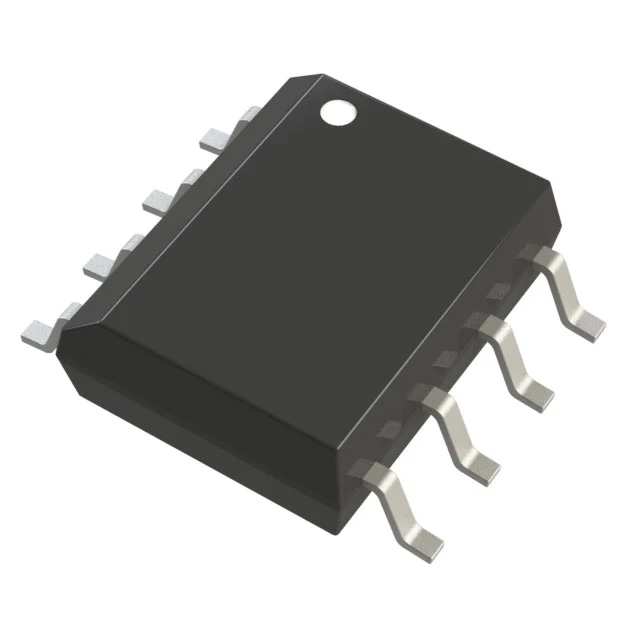
MPC8xx Microprocessor IC MPC8xx 1 Core, 32-Bit 66MHz 357-PBGA (25x25)
|
5298
|
357-BBGA
|
|
||||||||||||||||||||||||||||||||||||
|
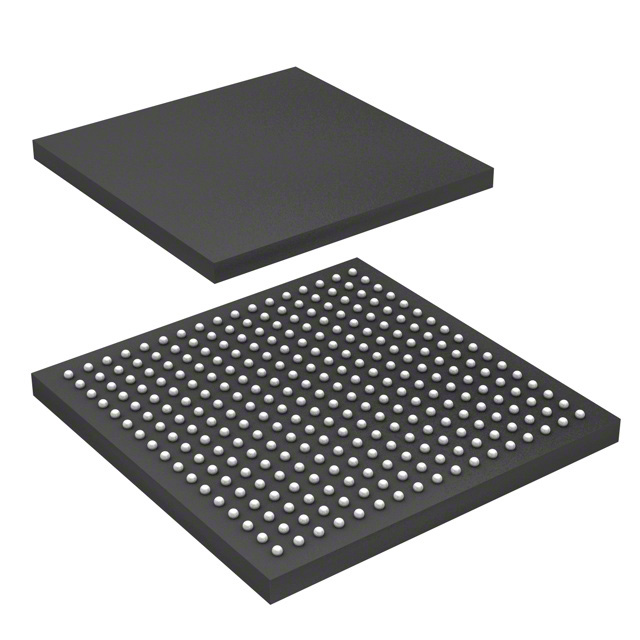
ColdFire® Embedded Module ColdFire V4e, MCF5475 266MHz 64MB 2MB (Boot)
|
7279
|
|
|||||||||||||||||||||||||||||||||||||
|
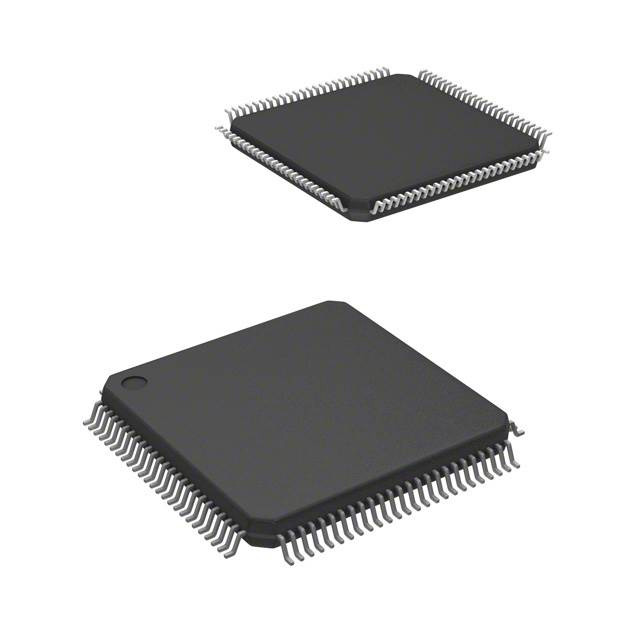
- Microcontroller IC
What are the most common mistakes made when sourcing electronic component? | ICONECHIPFor more product unboxing videos, please click on the link
|
2288
|
-
|
|
||||||||||||||||||||||||||||||||||||
|
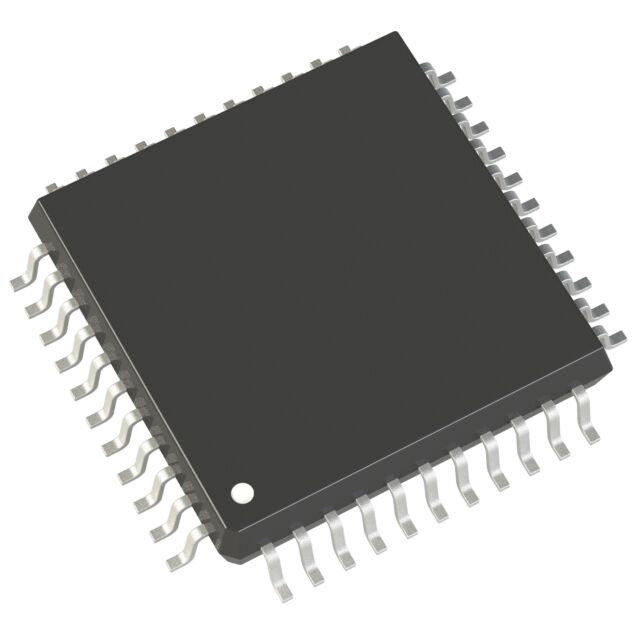
Converter Offline Flyback Topology 65kHz SC-74
|
5031
|
SC-74, SOT-457
|
|
||||||||||||||||||||||||||||||||||||
|
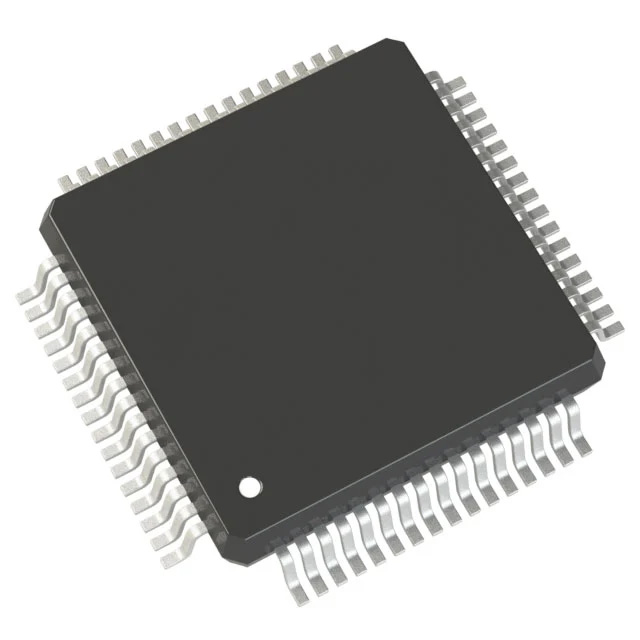
CAR DSP
|
7160
|
|
|||||||||||||||||||||||||||||||||||||
|
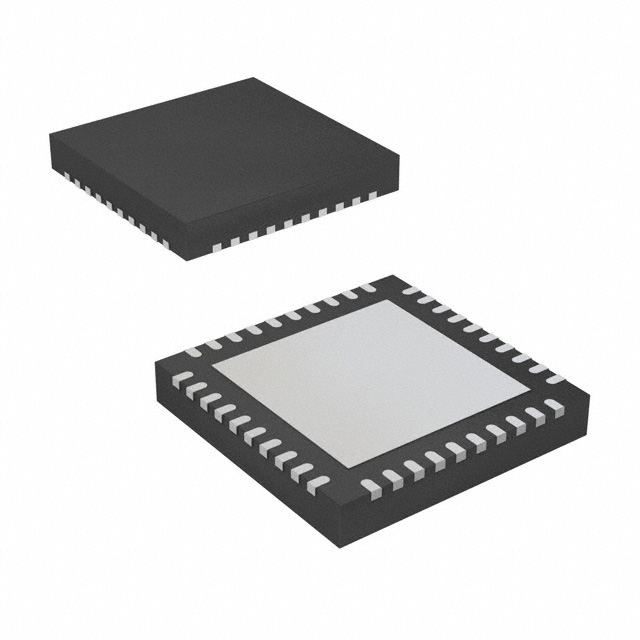
* Microcontroller IC
|
2959
|
|
|||||||||||||||||||||||||||||||||||||
|
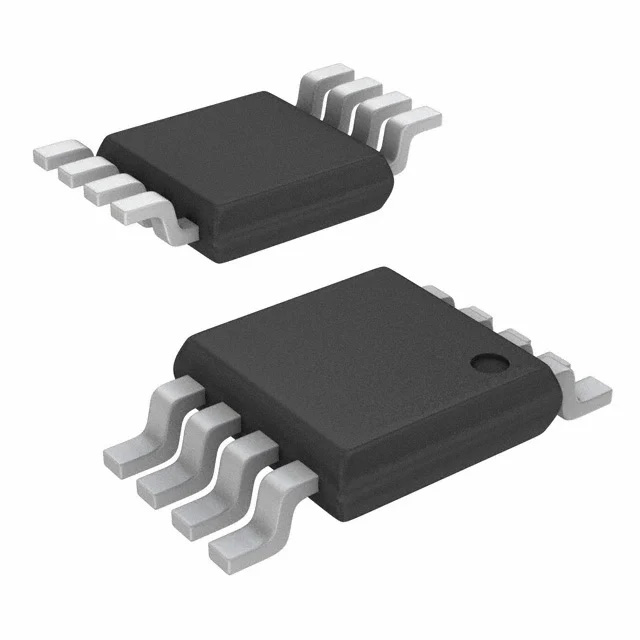
NOW NEXPERIA 74AHC595PW - SERIAL
|
4067
|
|
|||||||||||||||||||||||||||||||||||||
|
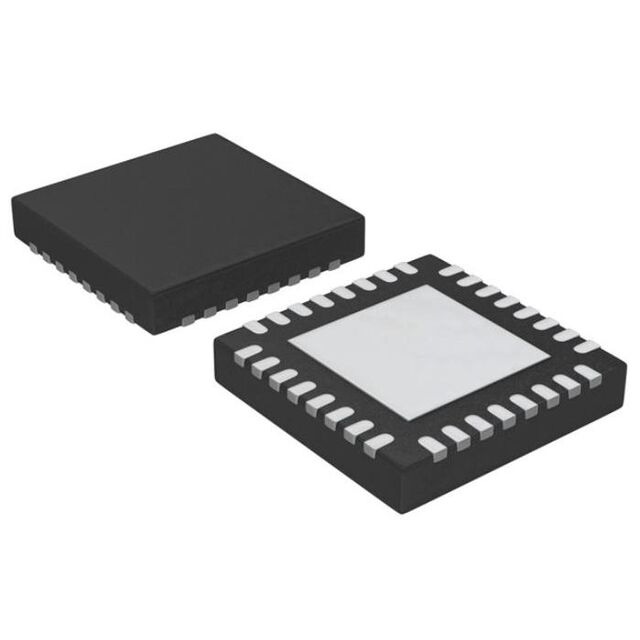
* Microcontroller IC
|
8352
|
|
|||||||||||||||||||||||||||||||||||||
|
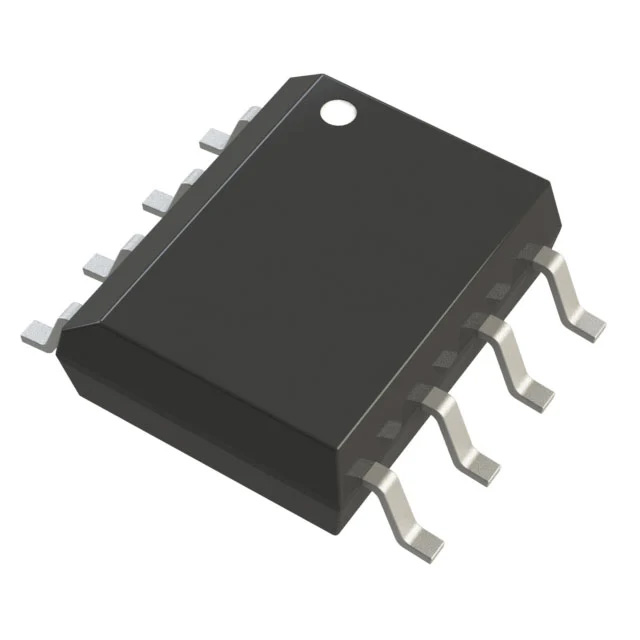
HC08 HC08 Microcontroller IC 8-Bit 8MHz 4KB (4K x 8) FLASH 20-SOIC
|
9327
|
20-SOIC (0.295", 7.50mm Width)
|
|
||||||||||||||||||||||||||||||||||||
|
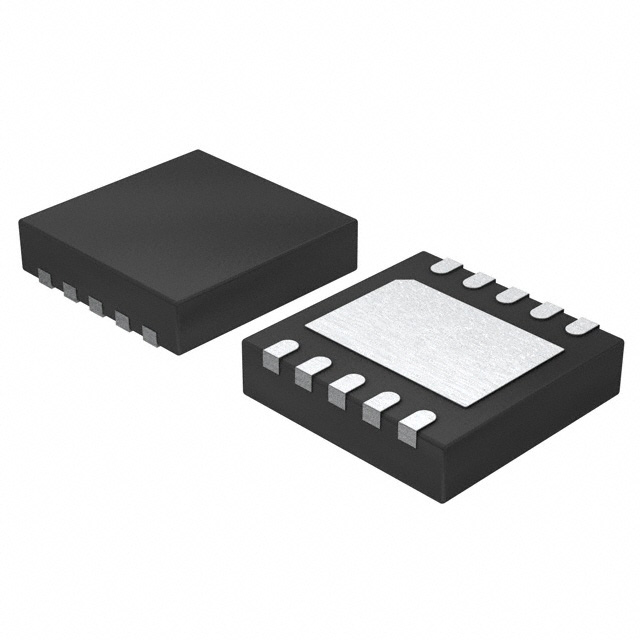
RF Mosfet 32 V 200 mA 860MHz 18.2dB 75W NI-360S
|
3406
|
NI-360S
|
|
||||||||||||||||||||||||||||||||||||
|
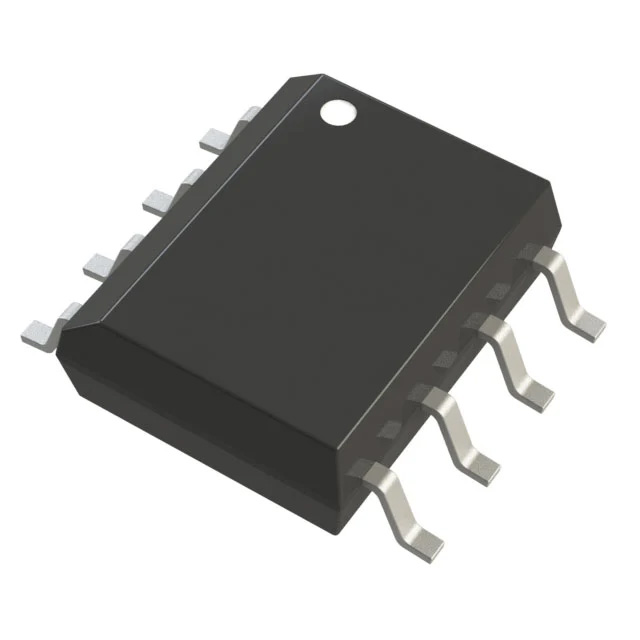
System Basis Chip PMIC 32-LQFP (7x7)
|
1194
|
32-LQFP
|
|
||||||||||||||||||||||||||||||||||||
|
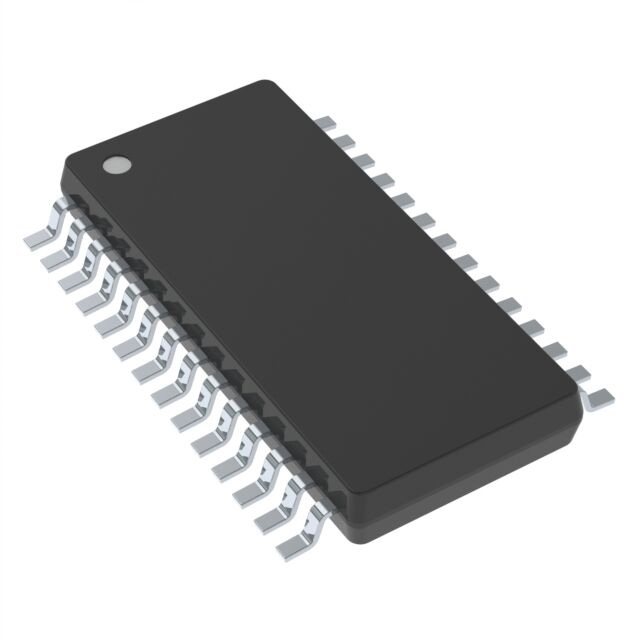
MOSFET PMV77EN TO-236AB REELLP
|
1055
|
|
|||||||||||||||||||||||||||||||||||||
|
ARM® Cortex®-M4/M0 LPC43xx Microcontroller IC 32-Bit Dual-Core 204MHz 1MB (1M x 8) FLASH 144-LQFP (20x20)
What are the most common mistakes made when sourcing electronic component? | ICONECHIPFor more product unboxing videos, please click on the link
|
6011
|
144-LQFP
|
|
||||||||||||||||||||||||||||||||||||
|
e200z7 MPC57xx Microcontroller IC 32-Bit Tri-Core 264MHz 8MB (8M x 8) FLASH 416-MAPBGA (27x27)
|
2823
|
416-BGA
|
|
||||||||||||||||||||||||||||||||||||
|
QUAD PORT 10/100/1000BASE-T PHY
|
6869
|
|
|||||||||||||||||||||||||||||||||||||
|
Zener Diode 22 V 400 mW ±2% Through Hole ALF2
|
45
|
DO-204AH, DO-35, Axial
|
|
||||||||||||||||||||||||||||||||||||
|
56800 56F8xx Microcontroller IC 16-Bit 80MHz 120KB (60K x 16) FLASH 160-LQFP (24x24) 56F807 Description The 56F807 is a member of the 56800 core-based family of processors. It combines, on a single chip, the processing power of a DSP and the functionality of a microcontroller with a flexible set of peripherals to create an extremely cost-effective solution. Because of its low cost, configuration flexibility, and compact program code, the 56F807 is well-suited for many applications. The 56F807 includes many peripherals that are especially useful for applications such as motion control, smart appliances, steppers, encoders, tachometers, limit switches, power supply and control, automotive control, engine management, noise suppression, remote utility metering, industrial control for power, lighting, and automation. The 56800 core is based on a Harvard-style architecture consisting of three execution units operating in parallel, allowing as many as six operations per instruction cycle. The MCU-style programming model and optimized instruction set allow straightforward generation of efficient, compact DSP and control code. The instruction set is also highly efficient for C/C++ Compilers to enable rapid development of optimized control applications. The 56F807 supports program execution from either internal or external memories. Two data operands can be accessed from the on-chip Data RAM per instruction cycle. The 56F807 also provides two external dedicated interrupt lines and up to 32 General Purpose Input/Output (GPIO) lines, depending on peripheral configuration. The 56F807 controller includes 60K, 16-bit words of Program Flash and 8K words of Data Flash (each programmable through the JTAG port) with 2K words of Program RAM and 4K words of Data RAM. It also supports program execution from external memory. A total of 2K words of Boot Flash is incorporated for easy customer-inclusion of field-programmable software routines that can be used to program the main Program and Data Flash memory areas. Both Program and Data Flash memories can be independently bulk erased or erased in page sizes of 256 words. The Boot Flash memory can also be either bulk or page erased. A key application-specific feature of the 56F807 is the inclusion of two Pulse Width Modulator (PWM) modules. These modules each incorporate three complementary, individually programmable PWM signal outputs (each module is also capable of supporting six independent PWM functions, for a total of 12 PWM outputs) to enhance motor control functionality. Complementary operation permits programmable dead time insertion, distortion correction via current sensing by software, and separate top and bottom output polarity control. The up-counter value is programmable to support a continuously variable PWM frequency. Edge- and center-aligned synchronous pulse width control (0% to 100% modulation) is supported. The device is capable of controlling most motor types: ACIM (AC Induction Motors), both BDC and BLDC (Brush and Brushless DC motors), SRM and VRM (Switched and Variable Reluctance Motors), and stepper motors. The PWMs incorporate fault protection and cycle-by-cycle current limiting with sufficient output drive capability to directly drive standard optoisolators. A “smoke-inhibit”, write-once protection feature for key parameters is also included. A patented PWM waveform distortion correction circuit is also provided. Each PWM is double-buffered and includes interrupt controls to permit integral reload rates to be programmable from 1 to 16. The PWM modules provide a reference output to synchronize the analog-to-digital converters. The 56F807 incorporates two separate Quadrature Decoders capable of capturing all four transitions on the two-phase inputs, permitting generation of a number proportional to actual position. Speed computation capabilities accommodate both fast- and slow-moving shafts. An integrated watchdog timer in the Quadrature Decoder can be programmed with a time-out value to alarm when no shaft motion is detected. Each input is filtered to ensure only true transitions are recorded. This controller also provides a full set of standard programmable peripherals that include two Serial Communications Interfaces (SCI), one Serial Peripheral Interface (SPI), and four Quad Timers. Any of these interfaces can be used as General-Purpose Input/Outputs (GPIO) if that function is not required. A Controller Area Network interface (CAN Version 2.0 A/B-compliant), an internal interrupt controller, and 14 dedicated GPIO lines are also included on the 56F807. 56F807 Features 1 Processing Core • Efficient 16-bit 56800 family controller engine with dual Harvard architecture • As many as 40 Million Instructions Per Second (MIPS) at 80MHz core frequency • Single-cycle 16 × 16-bit parallel Multiplier-Accumulator (MAC) • Two 36-bit accumulators including extension bits • 16-bit bidirectional barrel shifter • Parallel instruction set with unique processor addressing modes • Hardware DO and REP loops • Three internal address buses and one external address bus • Four internal data buses and one external data bus • Instruction set supports both DSP and controller functions • Controller style addressing modes and instructions for compact code • Efficient C compiler and local variable support • Software subroutine and interrupt stack with depth limited only by memory • JTAG/OnCE debug programming interface 2 Memory • Harvard architecture permits as many as three simultaneous accesses to Program and Data memory • On-chip memory including a low-cost, high-volume Flash solution — 60K × 16-bit words of Program Flash — 2K × 16-bit words of Program RAM — 8K × 16-bit words of Data Flash — 4K × 16-bit words of Data RAM — 2K × 16-bit words of Boot Flash • Off-chip memory expansion capabilities programmable for 0, 4, 8, or 12 wait states — As much as 64K × 16 bits of Data memory — As much as 64K × 16 bits of Program memory 3 Peripheral Circuits for 56F807 • Two Pulse Width Modulator modules each with six PWM outputs, three Current Sense inputs, and four Fault inputs, fault tolerant design with dead time insertion, supports both center- and edge-aligned modes • Four 12-bit, Analog-to-Digital Converters (ADCs), which support four simultaneous conversions with quad, 4-pin multiplexed inputs; ADC and PWM modules can be synchronized • Two Quadrature Decoders each with four inputs or two additional Quad Timers • Two dedicated General Purpose Quad Timers totaling six pins: Timer C with two pins and Timer D with four pins • CAN 2.0 B Module with 2-pin port for transmit and receive • Two Serial Communication Interfaces each with two pins (or four additional GPIO lines) • Serial Peripheral Interface (SPI) with configurable 4-pin port (or four additional GPIO lines) • Computer-Operating Properly (COP) Watchdog timer • Two dedicated external interrupt pins • 14 dedicated General Purpose I/O (GPIO) pins, 18 multiplexed GPIO pins • External reset input pin for hardware reset • External reset output pin for system reset • JTAG/On-Chip Emulation (OnCE™) for unobtrusive, processor speed-independent debugging • Software-programmable, Phase Locked Loop-based frequency synthesizer for the controller core clock 4 Energy Information • Fabricated in high-density CMOS with 5V-tolerant, TTL-compatible digital inputs • Uses a single 3.3V power supply • On-chip regulators for digital and analog circuitry to lower cost and reduce noise • Wait and Stop modes available NXP Electronics components unboxing,humidity card changed color chip can used? |
8949
|
160-LQFP
|
|
||||||||||||||||||||||||||||||||||||
|
HC11 HC11 Microcontroller IC 8-Bit 3MHz ROMless 68-PLCC (24.21x24.21)
|
8971
|
68-LCC (J-Lead)
|
|
||||||||||||||||||||||||||||||||||||
|
RF Mosfet 28 V 1 A 1.93GHz ~ 1.99GHz 13.9dB 22W NI-780
|
7508
|
NI-780
|
|
||||||||||||||||||||||||||||||||||||