FIRST ORDER
FREE 10% DISCOUNT




NXP USA Inc.
Alarms, Buzzers, and Sirens
-
Stacked
Scrolling
|
Img
|
Pdf
|
Part Number
|
Manufacturers
|
Desc
|
In Stock
|
Packing
|
Rfq
|
||||||||||||||||||||||||||||||||
|---|---|---|---|---|---|---|---|---|---|---|---|---|---|---|---|---|---|---|---|---|---|---|---|---|---|---|---|---|---|---|---|---|---|---|---|---|---|---|---|
|
|

|
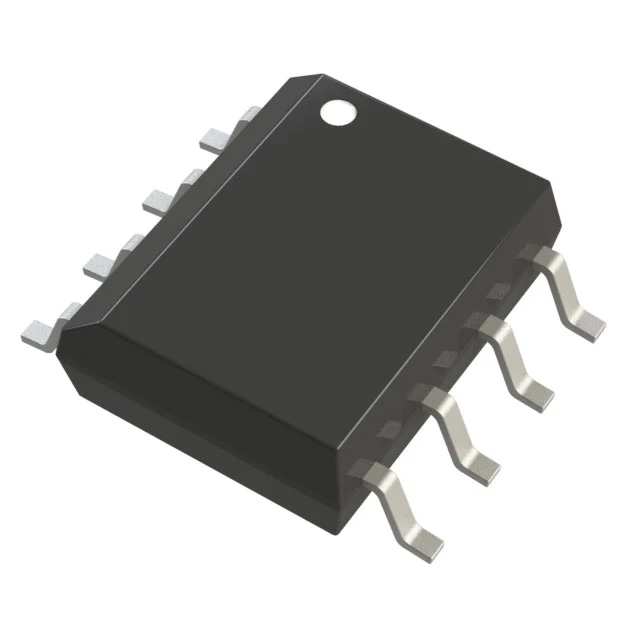
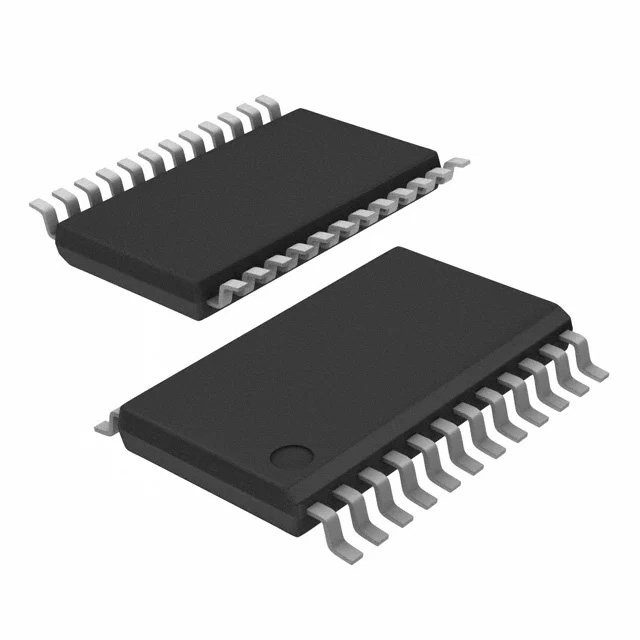
Counter IC Binary Counter 1 Element 14 Bit Negative Edge 16-SSOP
|
3820
|
16-SSOP (0.209", 5.30mm Width)
|
|
||||||||||||||||||||||||||||||||||
|
|
|
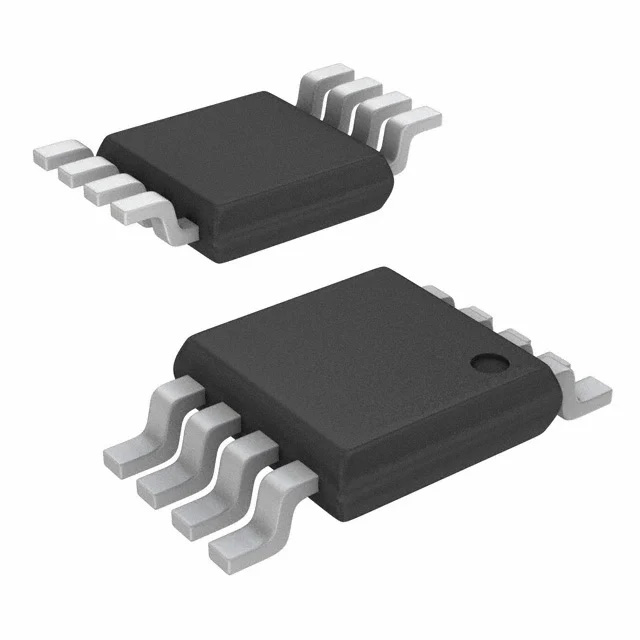
Bipolar (BJT) Transistor Array NPN, PNP 40V 200mA 300MHz, 250MHz 350mW Surface Mount SOT-363
|
3715
|
6-TSSOP, SC-88, SOT-363
|
|
||||||||||||||||||||||||||||||||||
|
|
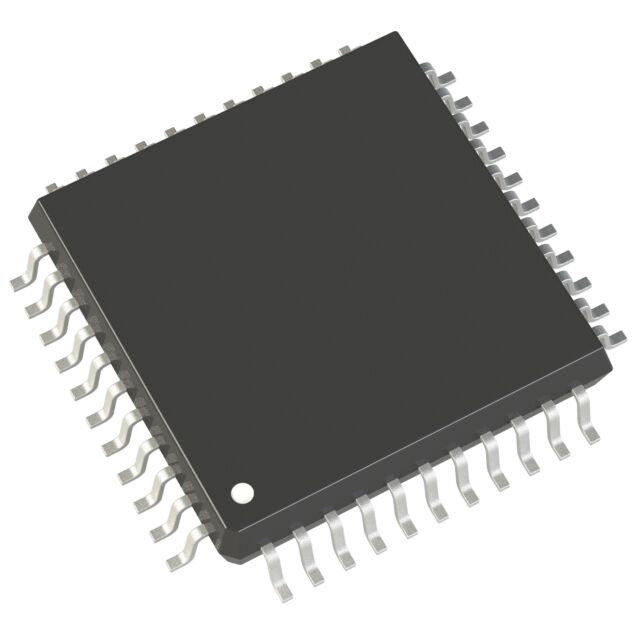
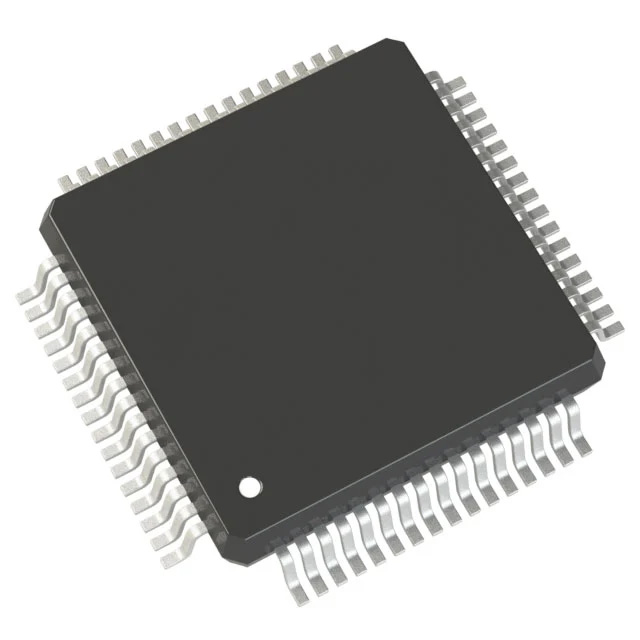
HCS12X HCS12X Microcontroller IC 16-Bit 80MHz 256KB (256K x 8) FLASH 80-QFP (14x14) Introduction The MC9S12XD family will retain the low cost, power consumption, EMC and code-size efficiency advantages currently enjoyed by users of Freescale's existing 16-Bit MC9S12 MCU Family. Based around an enhanced S12 core, the MC9S12XD family will deliver 2 to 5 times the performance of a 25-MHz S12 whilst retaining a high degree of pin and code compatibility with the S12. The MC9S12XD family introduces the performance boosting XGATE module. Using enhanced DMA functionality, this parallel processing module offloads the CPU by providing high-speed data processing and transfer between peripheral modules, RAM, Flash EEPROM and I/O ports. Providing up to 80 MIPS of performance additional to the CPU, the XGATE can access all peripherals, Flash EEPROM and the RAM block. The MC9S12XD family is composed of standard on-chip peripherals including up to 512 Kbytes of Flash EEPROM, 32 Kbytes of RAM, 4 Kbytes of EEPROM, six asynchronous serial communications interfaces (SCI), three serial peripheral interfaces (SPI), an 8-channel IC/OC enhanced capture timer, an 8-channel, 10-bit analog-to-digital converter, a 16-channel, 10-bit analog-to-digital converter, an 8-channel pulse-width modulator (PWM), five CAN 2.0 A, B software compatible modules (MSCAN12), two inter-IC bus blocks, and a periodic interrupt timer. The MC9S12XD family has full 16-bit data paths throughout. The non-multiplexed expanded bus interface available on the 144-pin versions allows an easy interface to external memories The inclusion of a PLL circuit allows power consumption and performance to be adjusted to suit operational requirements. System power consumption can be further improved with the new “fast exit from stop mode” feature. In addition to the I/O ports available in each module, up to 25 further I/O ports are available with interrupt capability allowing wake-up from stop or wait mode. Family members in 144-pin LQFP will be available with external bus interface and parts in 112-pin LQFP or 80-pin QFP package without external bus interface. See Appendix E Derivative Differencesfor package options. MC9S12XD/B/A Family Features • HCS12X Core — 16-bit HCS12X CPU – Upward compatible with MC9S12 instruction set – Interrupt stacking and programmer’s model identical to MC9S12 – Instruction queue – Enhanced indexed addressing – Enhanced instruction set — EBI (external bus interface) — MMC (module mapping control) — INT (interrupt controller) — DBG (debug module to monitor HCS12X CPU and XGATE bus activity) — BDM (background debug mode) • XGATE (peripheral coprocessor) — Parallel processing module off loads the CPU by providing high-speed data processing and transfer — Data transfer between Flash EEPROM, RAM, peripheral modules, and I/O ports • PIT (periodic interrupt timer) — Four timers with independent time-out periods — Time-out periods selectable between 1 and 224 bus clock cycles • CRG (clock and reset generator) — Low noise/low power Pierce oscillator — PLL — COP watchdog — Real time interrupt — Clock monitor — Fast wake-up from stop mode • Port H & Port J with interrupt functionality — Digital filtering — Programmable rising or falling edge trigger • Memory — 512, 256 and 128-Kbyte Flash EEPROM — 4 and 2-Kbyte EEPROM — 32, 16 and 12-Kbyte RAM • One 16-channel and one 8-channel ADC (analog-to-digital converter) — 10-bit resolution — External and internal conversion trigger capabilityFiveFourTwo 1M bit per second, CAN 2.0 A, B software compatible modules — Five receive and three transmit buffers — Flexible identifier filter programmable as 2 x 32 bit, 4 x 16 bit, or 8 x 8 bit — Four separate interrupt channels for Rx, Tx, error, and wake-up — Low-pass filter wake-up function — Loop-back for self-test operation • ECT (enhanced capture timer) — 16-bit main counter with 7-bit prescaler — 8 programmable input capture or output compare channels — Four 8-bit or two 16-bit pulse accumulators • 8 PWM (pulse-width modulator) channels — Programmable period and duty cycle — 8-bit 8-channel or 16-bit 4-channel — Separate control for each pulse width and duty cycle — Center-aligned or left-aligned outputs — Programmable clock select logic with a wide range of frequencies — Fast emergency shutdown input • Serial interfaces — SixFourTwo asynchronous serial communication interfaces (SCI) with additional LIN support and selectable IrDA 1.4 return-to-zero-inverted (RZI) format with programmable pulse width — ThreeTwo Synchronous Serial Peripheral Interfaces (SPI) • TwoOne IIC (Inter-IC bus) Modules — Compatible with IIC bus standard — Multi-master operation — Software programmable for one of 256 different serial clock frequencies • On-Chip Voltage Regulator — Two parallel, linear voltage regulators with bandgap reference — Low-voltage detect (LVD) with low-voltage interrupt (LVI) — Power-on reset (POR) circuit — 3.3-V–5.5-V operation — Low-voltage reset (LVR) — Ultra low-power wake-up timer • 144-pin LQFP, 112-pin LQFP, and 80-pin QFP packages — I/O lines with 5-V input and drive capability — Input threshold on external bus interface inputs switchable for 3.3-V or 5-V operation — 5-V A/D converter inputs — Operation at 80 MHz equivalent to 40-MHz bus speed • Development support — Single-wire background debug™ mode (BDM) — Four on-chip hardware breakpoints NXP Electronics components unboxing,humidity card changed color chip can used? |
4716
|
80-QFP
|
|
||||||||||||||||||||||||||||||||||
|
|
|
NOR Gate IC 4 Channel 14-SSOP
|
6130
|
14-SSOP (0.209", 5.30mm Width)
|
|
||||||||||||||||||||||||||||||||||
|
|
|
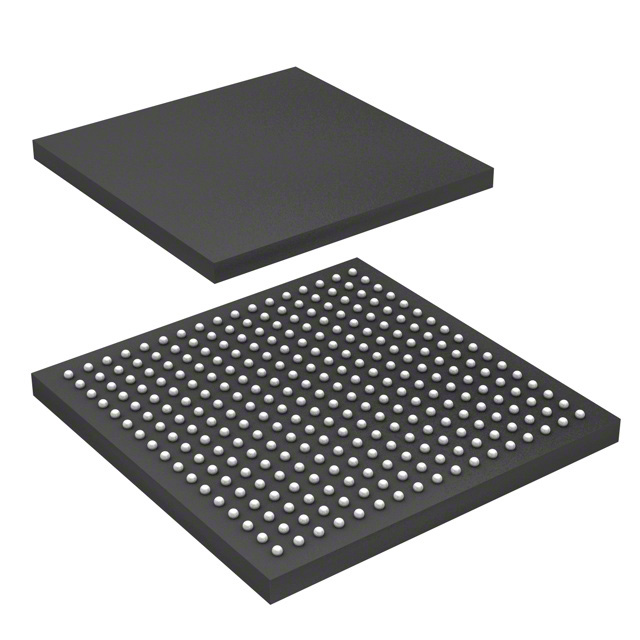
DSP 16BIT 400MHZ MULTI 431FCBGA
|
2654
|
431-BFBGA, FCBGA
|
|
||||||||||||||||||||||||||||||||||
|
|
|
S08 S08 Microcontroller IC 8-Bit 40MHz 16KB (16K x 8) FLASH 32-LQFP (7x7)
|
1895
|
32-LQFP
|
|
||||||||||||||||||||||||||||||||||
|
|
|
N-Channel 60 V 100A (Tc) 234W (Tc) Through Hole I2PAK
|
7902
|
TO-262-3 Long Leads, I²Pak, TO-262AA
|
|
||||||||||||||||||||||||||||||||||
|
|
|
e200z2, e200z4, e200z4 MPC57xx Microcontroller IC 32-Bit Tri-Core 80MHz/160MHz 4MB (4M x 8) FLASH 176-LQFP (24x24)
|
1217
|
176-LQFP Exposed Pad
|
|
||||||||||||||||||||||||||||||||||

|
|
Charger IC
What are the most common mistakes made when sourcing electronic component? | ICONECHIPFor more product unboxing videos, please click on the link
|
5548
|
-
|
|
||||||||||||||||||||||||||||||||||
|
|
|
Driver
|
304
|
|
|||||||||||||||||||||||||||||||||||
|
|
|
Circuit IC Switch
|
1027
|
|
|||||||||||||||||||||||||||||||||||
|
|
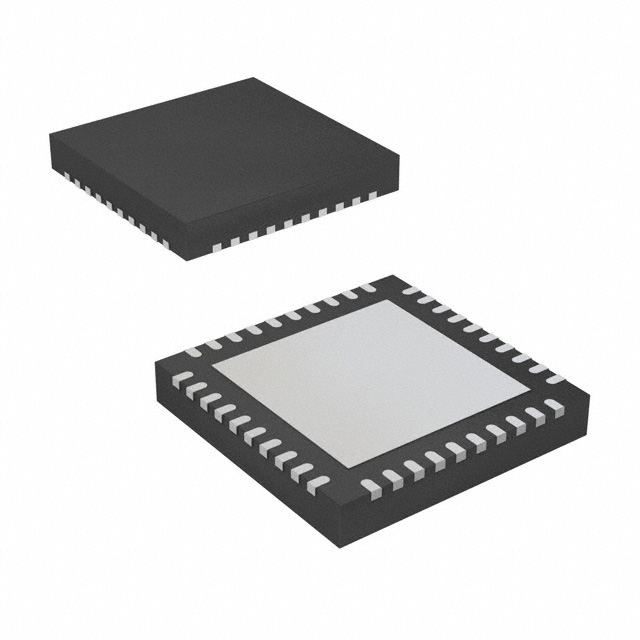
56800E 56F8xxx Microcontroller IC 16-Bit 60MHz 64KB (32K x 16) FLASH 48-LQFP (7x7) Introduction The MC56F825x/MC56F824x is a member of Freescale’s family of digital signal controllers (DSCs) based on the 56800E core. It combines, on a single chip, DSP processing power and microcontroller functionality with a flexible set of peripherals, creating a cost-effective solution. Because of its low cost, configuration flexibility, and compact program code, it is well-suited for many consumer and industrial applications, including: • Industrial control • Home appliances • Smart sensors • Fire and security systems • Solar inverters • Battery chargers and management • Switched-mode power supplies and management • Power metering • Motor control (ACIM, BLDC, PMSM, SR, and stepper) • Handheld power tools • Arc detection • Medical devices/equipment • Instrumentation • Lighting ballast The 56800E core is based on a dual Harvard-style architecture consisting of three execution units operating in parallel, allowing as many as six operations per instruction cycle. The MCU-style programming model and optimized instruction set allow straightforward generation of efficient, compact DSP and control code. The instruction set is also highly efficient for C compilers to enable rapid development of optimized control applications. The MC56F825x/MC56F824x supports program execution from internal memories. Two data operands per instruction cycle can be accessed from the on-chip data RAM. A full set of programmable peripherals supports various applications. Each peripheral can be independently shut down to save power. Any pin except power pins can also be configured as General Purpose Input/Output (GPIO). Chip-level features On-chip features include: • 60 MHz operation frequency • DSP and MCU functionality in a unified, C-efficient architecture • On-chip memory — 56F8245/46: 48 KB (24K 16) flash memory; 6 KB (3K 16) unified data/program RAM — 56F8247: 48 KB (24K 16) flash memory; 8 KB (4K 16) unified data/program RAM — 56F8255/56/57: 64 KB (32K 16) flash memory; 8 KB (4K 16) unified data/program RAM • eFlexPWM with up to 9 channels, including 6 channels with high (520 ps) resolution NanoEdge placement • Two 8-channel, 12-bit analog-to-digital converters (ADCs) — Dynamic 2 and 4 programmable amplifier — Conversion time as short as 600 ns — Input current-injection protection • Three analog comparators with integrated 5-bit DAC references • Cyclic redundancy check (CRC) generator • Two high-speed queued serial communication interface (QSCI) modules with LIN slave functionality • Queued serial peripheral interface (QSPI) module • Two SMBus-compatible inter-integrated circuit (I2C) ports • Freescale’s scalable controller area network (MSCAN) 2.0 A/B module • Two 16-bit quad timers (2 4 16-bit timers) • Computer operating properly (COP) watchdog module • On-chip relaxation oscillator: 8 MHz (400 kHz at standby mode) • Crystal/resonator oscillator • Integrated power-on reset (POR) and low-voltage interrupt (LVI) and brown-out reset module • Inter-module crossbar connection • Up to 54 GPIOs • 44-pin LQFP, 48-pin LQFP, and 64-pin LQFP packages • Single supply: 3.0 V to 3.6 V NXP Electronics components unboxing,humidity card changed color chip can used? |
5762
|
48-LQFP
|
|
||||||||||||||||||||||||||||||||||
|
|
|
Transceiver, Inverting 1 Element 8 Bit per Element 3-State Output 24-TSSOP
|
3787
|
24-TSSOP (0.173", 4.40mm Width)
|
|
||||||||||||||||||||||||||||||||||
|
|
|
- Microcontroller IC 28-PLCC (11.51x11.51)
|
1883
|
28-LCC (J-Lead)
|
|
||||||||||||||||||||||||||||||||||
|
|
|
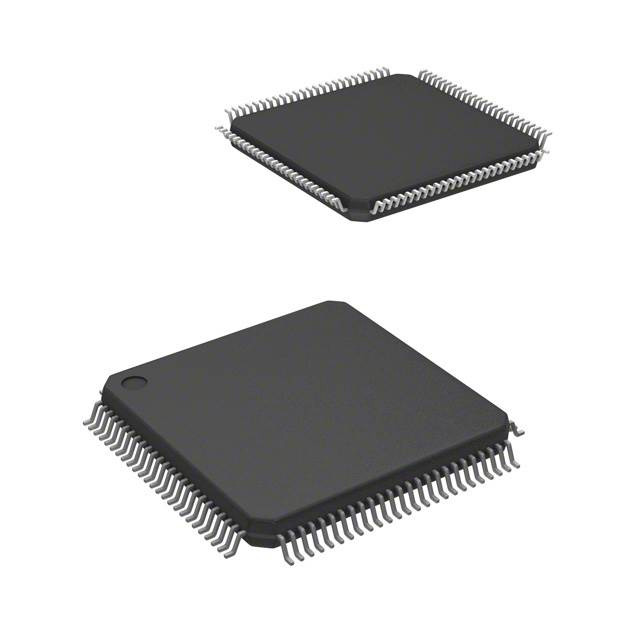
S08 S08 Microcontroller IC 8-Bit 40MHz 128KB (128K x 8) FLASH 100-LQFP (14x14)
|
9759
|
100-LQFP
|
|
||||||||||||||||||||||||||||||||||
|
|
|
I/O Expander 8 I²C, SMBus 400 kHz 16-TSSOP
How do you identify which pin is pin 1 of an IC integrated circuit chip? |ICONECHIPFor more product unboxing videos, please click on the link
|
43
|
16-TSSOP (0.173
|
|
||||||||||||||||||||||||||||||||||
|
|
|
e200z2, e200z4, e200z4 MPC57xx Microcontroller IC 32-Bit Tri-Core 80MHz/160MHz 6MB (6M x 8) FLASH 324-MAPBGA (19x19)
|
4479
|
324-LBGA
|
|
||||||||||||||||||||||||||||||||||
|
|
|
e200z2, e200z4 MPC57xx Microcontroller IC 32-Bit Dual-Core 80MHz/160MHz 4MB (4M x 8) FLASH 256-MAPPBGA (17x17)
|
5173
|
256-LBGA
|
|
||||||||||||||||||||||||||||||||||
|
|
|
Mosfet Array
|
9771
|
|
|||||||||||||||||||||||||||||||||||
|
|
|
Translator Circuit Channel
|
5
|
|
|||||||||||||||||||||||||||||||||||
|
|
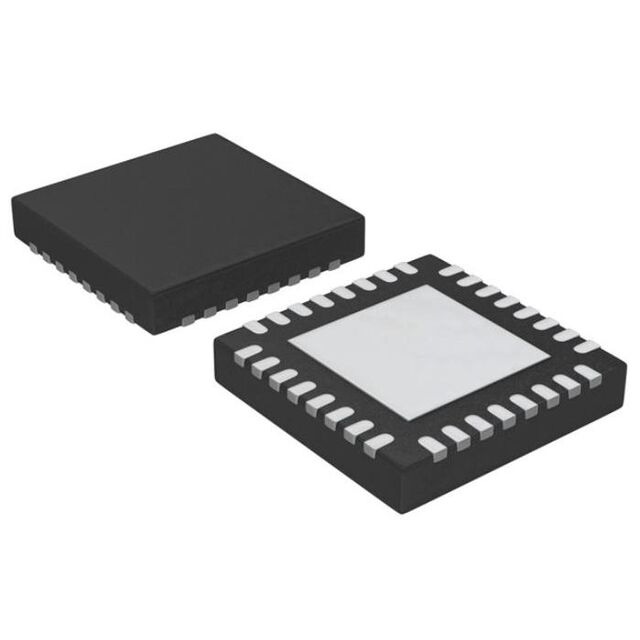
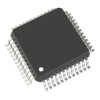
S12Z S12 MagniV Microcontroller IC 16-Bit 32MHz 32KB (32K x 8) FLASH 32-LQFP (7x7) Introduction The MC9S12ZVL-Family is an automotive 16-bit microcontroller family using the180nm NVM+UHV technology that offers the capability to integrate 40V analog components. This family reuses many features from the existing S12 portfolio. The particular differentiating features of this family are the enhanced S12Z core and the integration of “high-voltage”analog modules, including the voltage regulator (VREG) and a Local Interconnect Network (LIN) physical layer. The MC9S12ZVL-Family includes error correction code (ECC) on RAM, FLASH and EEPROM for diagnostic or data storage, a fast analog-to-digital converter (ADC) and a frequency modulated phase locked loop (IPLL) that improves the EMC performance. The MC9S12ZVL-Family delivers an optimized solution with the integration of several key system components into a single device, optimizing system architecture and achieving significant space savings. TheMC9S12ZVL-Family delivers all the advantages and efficiencies of a 16-bit MCU while retaining the low cost, power consumption, EMC, and code-size efficieney advantages currently enjoyed by users of existing S12 families. The MC9S12ZVL-Family is available in 48-pin, 32-pin LQFP and 32-pin QFN-EP. In addition to the I/O ports available in each module, further I/O ports are available with interrupt capability allowing wake-up from stop or wait modes. The MC9S12ZVL-Family is a general-purpose family of devices suitable for a wide range of applications. The MC9S12ZVL-Family is targeted at generic automotive applications requiring LIN connectivity. Typical examples of these applications include switch panels and body endpoints for sensors. Chip-Level Features On-chip modules available within the family include the following features: ·S12Z CPU core ·128, 96, 64, 32, 16 or 8 KB on-chip flash with ECC ·2048,1024,128 byte EEPROM with ECC ·8192,4096, 1024 or 512 byte on-chip SRAM with ECC ·Phase locked loop (IPLL) frequency multiplier with internal filter ·1 MHz internal RC oscillator with +/-1.3% accuracy over rated temperature range ·4-20MHz amplitude controlled pierce oscillator ·Internal COP (watchdog) module ·analog-to-digital converter (ADC) with 10-bit or 12-bit resolution and up to 10 channels available on external pins and Vbg (bandgap) result reference ·PGA module with two input channels ·One 8-bit 5V digital-to-analog converter (DAC) ·One analog comparators (ACMP) with rail-to-rail inputs ·MSCAN(1Mbit/s, CAN2.0 A, B software compatible) module ·One serial peripheral interface (SPI) module ·One serial communication interface (SCI) module with interface to internal LIN physical layer transceiver (with RX connected to a timer channel for frequency calibration purposes, if desired) ·Up to one additional SCI (not connected to LIN physical layer) ·One on-chip LIN physical layer transceiver fully compliant with the LIN 2.2 standard ·6-channel timer module (TIM0) with input capture/output compare ·2-channel timer module (TIM1) with input capture/output compare ·Inter-IC (IIC) module ·8-channel Pulse Width Modulation module (PWM) ·On-chip voltage regulator (VREG) for regulation of input supply and all internal voltages ·Autonomous periodic interrupt (API), supports cyclic wakeup from Stop mode ·Pins to support 25mA drive strength to VSSX ·Pin to support 20mA drive strength from VDDX (EVDD) ·High Voltage Input (HVI) ·Supply voltage sense with low battery warning ·On-chip temperature sensor, temperature value can be measured with ADC or can generate a high temperature warning · Up to 23 pins can be used as keyboard wake-up interrupt (KWI) |
5371
|
32-LQFP
|
|
||||||||||||||||||||||||||||||||||
|
|
|
Transceiver, Non-Inverting 2 Element 8 Bit per Element 3-State Output 48-TSSOP
|
4162
|
48-TFSOP (0.240", 6.10mm Width)
|
|
||||||||||||||||||||||||||||||||||
|
|
|
MPC8xx Microprocessor IC MPC8xx 1 Core, 32-Bit 50MHz 256-PBGA (23x23)
|
9894
|
256-BGA
|
|
||||||||||||||||||||||||||||||||||
|
|
|
S08 S08 Microcontroller IC 8-Bit 40MHz 32KB (32K x 8) FLASH 48-QFN-EP (7x7)
|
9570
|
48-VFQFN Exposed Pad
|
|
||||||||||||||||||||||||||||||||||
|
|
|
N-Channel 30 V 120A (Tc) 324W (Tc) Surface Mount D2PAK
|
8695
|
TO-263-3, D²Pak (2 Leads + Tab), TO-263AB
|
|
||||||||||||||||||||||||||||||||||
|
|
|
Microprocessor IC *
|
8231
|
|
|||||||||||||||||||||||||||||||||||
|
|
|
e200z7 MPC57xx Microcontroller IC 32-Bit Tri-Core 264MHz 8MB (8M x 8) FLASH 516-MAPBGA (27x27)
|
46
|
516-BGA
|
|
||||||||||||||||||||||||||||||||||
|
|
|
Power Supply Controller
|
2
|
|
|||||||||||||||||||||||||||||||||||
|
|
|
Decoder/Demultiplexer 1 x 4:16 24-TSSOP
|
60
|
24-TSSOP (0.173", 4.40mm Width)
|
|
||||||||||||||||||||||||||||||||||
|
|
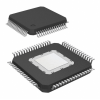
S12Z S12 MagniV Microcontroller IC 16-Bit 50MHz 128KB (128K x 8) FLASH 64-HLQFP (10x10) Introduction The MC9S12ZVM-Family is an automotive 16-bit microcontroller family using the NVM + UHV technology that offers the capability to integrate 40 V analog components. This family reuses many features from the existing S12/S12X portfolio. The particular differentiating features of this family are the enhanced S12Z core, the combination of dual-ADC synchronized with PWM generation and the integration of “high-voltage” analog modules, including the voltage regulator (VREG), Gate Drive Unit (GDU) and a Local Interconnect Network (LIN) physical layer. These features enable a fully integrated single chip solution to drive up to 6 external power MOSFETs for BLDC or PMSM motor drive applications. The MC9S12ZVM-Family includes error correction code (ECC) on RAM and flash memory, EEPROM for diagnostic or data storage, a fast analog-to-digital converter (ADC) and a frequency modulated phase locked loop (IPLL) that improves the EMC performance. The MC9S12ZVM-Family delivers an optimized solution with the integration of several key system components into a single device, optimizing system architecture and achieving significant space savings. The MC9S12ZVM-Family delivers all the advantages and efficiencies of a 16-bit MCU while retaining the low cost, power consumption, EMC, and code-size efficiency advantages currently enjoyed by users of existing S12(X) families. The MC9S12ZVM-Family is available in different pin-out options, using the 64-pin LQFP-EP and 48-pin LQFP-EP packages to accommodate LIN, CAN and external PWM based application interfaces. In addition to the I/O ports available in each module, further I/O ports are available with interrupt capability allowing wake-up from stop or wait modes. The MC9S12ZVM-Family is a general-purpose family of devices suitable for a range of applications, including: • 3-phase sensorless BLDC motor control for — Fuel pump — Water pump — Oil pump — A/C compressor — HVAC blower — Engine cooling fan — Electric vehicle battery cooling fan • Brush DC motor control requiring driving in 2 directions, along with PWM control for — Reversible wiper — Trunk opener Chip-Level Features On-chip modules available within the family include the following features: • S12Z CPU core • 128, 64, 32 or 16KB on-chip flash with ECC • 512 or128 byte EEPROM with ECC • 8, 4 or 2 KB on-chip SRAM with ECC • Phase locked loop (IPLL) frequency multiplier with internal filter • 1 MHz internal RC oscillator with +/-1.3% accuracy over rated temperature range • 4-20MHz amplitude controlled pierce oscillator • Internal COP (watchdog) module • 6-channel, 15-bit pulse width modulator with fault protection (PMF) • Low side and high side FET pre-drivers for each phase — Gate drive pre-regulator — LDO (Low Dropout Voltage Regulator) (typically 11V) — High side gate supply generated using bootstrap circuit with external diode and capacitor — Sustaining charge pump with two external capacitors and diodes — High side drain (HD) monitoring on internal ADC channel using HD/5 voltage • Two parallel analog-to-digital converters (ADC) with 12-bit resolution and up to 9 channels available on external pins • Programmable Trigger Unit (PTU) for synchronization of PMF and ADC • One serial peripheral interface (SPI) module • One serial communication interface (SCI) module with interface to internal LIN physical layer transceiver (with RX connected to a timer channel for frequency calibration purposes, if desired) • Up to one additional SCI (not connected to LIN physical layer) • On-chip LIN physical layer transceiver fully compliant with the LIN 2.2 standard (S12ZVML versions) • One High Voltage physical interface. (S12ZVM32, S12ZVM16 versions only) • 4-channel timer module (TIM) with input capture/output compare • MSCAN (1 Mbit/s, CAN 2.0 A, B software compatible) module • On-chip voltage regulator (VREG) for regulation of input supply and all internal voltages — Optional VREG ballast control output to supply an external CAN physical layer • Two current sense circuits for overcurrent detection or torque measurement • Autonomous periodic interrupt (API) • 20mA high-current output for use as Hall sensor supply • Supply voltage sense with low battery warning • Chip temperature sensor |
7355
|
64-LQFP Exposed Pad
|
|
||||||||||||||||||||||||||||||||||