FIRST ORDER
FREE 10% DISCOUNT

|
Img
|
Pdf
|
Part Number
|
Manufacturers
|
Desc
|
In Stock
|
Packing
|
Rfq
|
||||||||||||||||||||||||||||||||
|---|---|---|---|---|---|---|---|---|---|---|---|---|---|---|---|---|---|---|---|---|---|---|---|---|---|---|---|---|---|---|---|---|---|---|---|---|---|---|---|
|
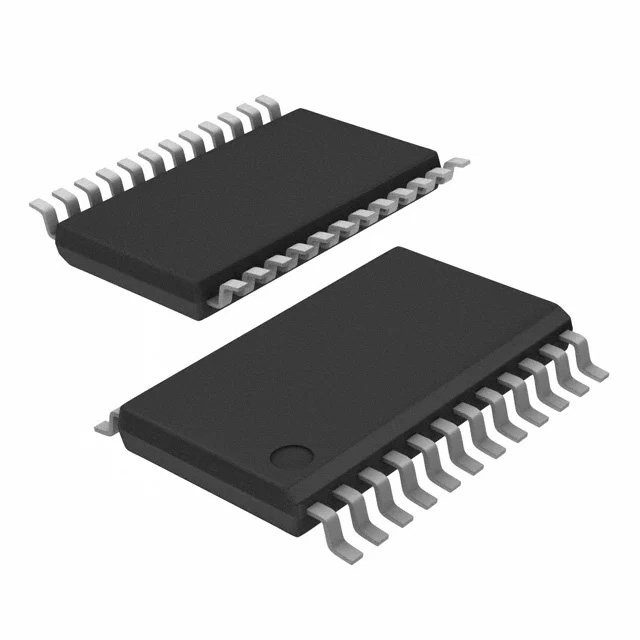
PFC IC Discontinuous Conduction (DCM) 24-SO
|
5505
|
24-SOIC (0.295", 7.50mm Width)
|
|
||||||||||||||||||||||||||||||||||||
|
ARM® Cortex®-M4 Kinetis K20 Microcontroller IC 32-Bit Single-Core 120MHz 512KB (512K x 8) FLASH 88-QFN (10x10)
|
1531
|
88-VFQFN Exposed Pad
|
|
||||||||||||||||||||||||||||||||||||
|
Battery Battery Cell Controller IC Lithium Ion 64-LQFP (10x10)
|
3105
|
64-LQFP Exposed Pad
|
|
||||||||||||||||||||||||||||||||||||
|
Element Bit per Element Output
|
1796
|
|
|||||||||||||||||||||||||||||||||||||
|
ARM® Cortex®-M0 LPC11Exx Microcontroller IC 32-Bit Single-Core 50MHz 8KB (8K x 8) FLASH 32-HVQFN (7x7)
How do you identify which pin is pin 1 of an IC integrated circuit chip? |ICONECHIPFor more product unboxing videos, please click on the link
|
2717
|
32-VQFN Exposed Pad
|
|
||||||||||||||||||||||||||||||||||||
|
12V1 HCS12 Microcontroller IC 16-Bit 25MHz 16KB (16K x 8) FLASH 20-TSSOP Introduction The MC9S12G-Family is an optimized, automotive, 16-bit microcontroller product line focused on low-cost, high-performance, and low pin-count. This family is intended to bridge between high-end 8-bit microcontrollers and high-performance 16-bit microcontrollers, such as the MC9S12XS-Family. The MC9S12G-Family is targeted at generic automotive applications requiring CAN or LIN/J2602 communication. Typical examples of these applications include body controllers, occupant detection, door modules, seat controllers, RKE receivers, smart actuators, lighting modules, and smart junction boxes. The MC9S12G-Family uses many of the same features found on the MC9S12XS- and MC9S12P-Family, including error correction code (ECC) on flash memory, a fast analog-to-digital converter (ADC) and a frequency modulated phase locked loop (IPLL) that improves the EMC performance. The MC9S12G-Family is optimized for lower program memory sizes down to 16k. In order to simplify customer use it features an EEPROM with a small 4 bytes erase sector size. The MC9S12G-Family deliver all the advantages and efficiencies of a 16-bit MCU while retaining the low cost, power consumption, EMC, and code-size efficiency advantages currently enjoyed by users of NXP’s existing 8-bit and 16-bit MCU families. Like the MC9S12XS-Family, the MC9S12G-Family run 16-bit wide accesses without wait states for all peripherals and memories. The MC9S12G-Family is available in 100-pin LQFP, 64-pin LQFP, 48-pin LQFP/QFN, 32-pin LQFP and 20-pin TSSOP package options and aims to maximize the amount of functionality especially for the lower pin count packages. In addition to the I/O ports available in each module, further I/O ports are available with interrupt capability allowing wake-up from stop or wait modes. Chip-Level Features On-chip modules available within the family include the following features: • S12 CPU core • Up to 240 Kbyte on-chip flash with ECC • Up to 4 Kbyte EEPROM with ECC • Up to 11 Kbyte on-chip SRAM • Phase locked loop (IPLL) frequency multiplier with internal filter • 4–16 MHz amplitude controlled Pierce oscillator • 1 MHz internal RC oscillator • Timer module (TIM) supporting up to eight channels that provide a range of 16-bit input capture, output compare, counter, and pulse accumulator functions • Pulse width modulation (PWM) module with up to eight x 8-bit channels • Up to 16-channel, 10 or 12-bit resolution successive approximation analog-to-digital converter (ADC) • Up to two 8-bit digital-to-analog converters (DAC) • Up to one 5V analog comparator (ACMP) • Up to three serial peripheral interface (SPI) modules • Up to three serial communication interface (SCI) modules supporting LIN communications • Up to one multi-scalable controller area network (MSCAN) module (supporting CAN protocol 2.0A/B) • On-chip voltage regulator (VREG) for regulation of input supply and all internal voltages • Autonomous periodic interrupt (API) • Precision fixed voltage reference for ADC conversions • Optional reference voltage attenuator module to increase ADC accuracy |
9139
|
20-TSSOP (0.173
|
|
||||||||||||||||||||||||||||||||||||
|
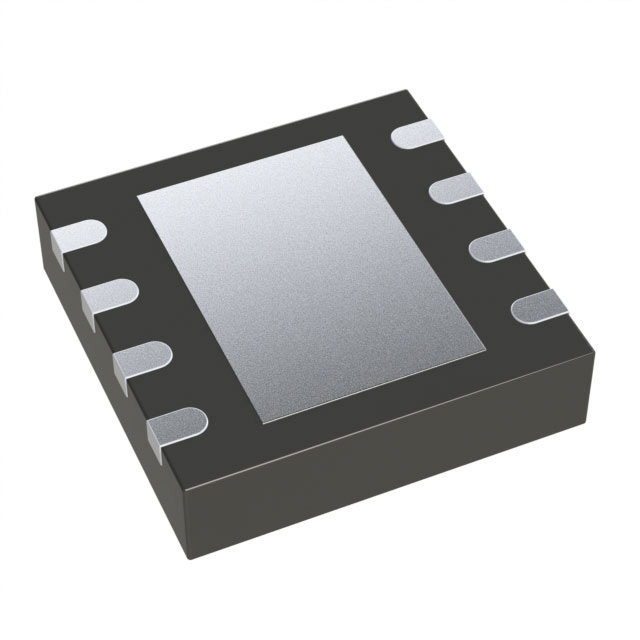
Converter Offline Flyback Topology 10kHz ~ 200kHz 8-DIP
|
3759
|
8-DIP (0.300", 7.62mm)
|
|
||||||||||||||||||||||||||||||||||||
|
RF Mosfet 28 V 950 mA 2.11GHz ~ 2.17GHz 15.9dB 23W NI-780S
|
8896
|
NI-780S
|
|
||||||||||||||||||||||||||||||||||||
|
PowerPC e600 Microprocessor IC MPC86xx 2 Core, 32-Bit 1.0GHz 1023-FCCBGA (33x33)
|
5489
|
1023-BCBGA, FCCBGA
|
|
||||||||||||||||||||||||||||||||||||
|
ARM® Cortex®-M3 LPC13xx Microcontroller IC 32-Bit Single-Core 72MHz 64KB (64K x 8) FLASH 48-LQFP (7x7)
What are the most common mistakes made when sourcing electronic component? | ICONECHIPFor more product unboxing videos, please click on the link
|
9109
|
48-LQFP
|
|
||||||||||||||||||||||||||||||||||||
|
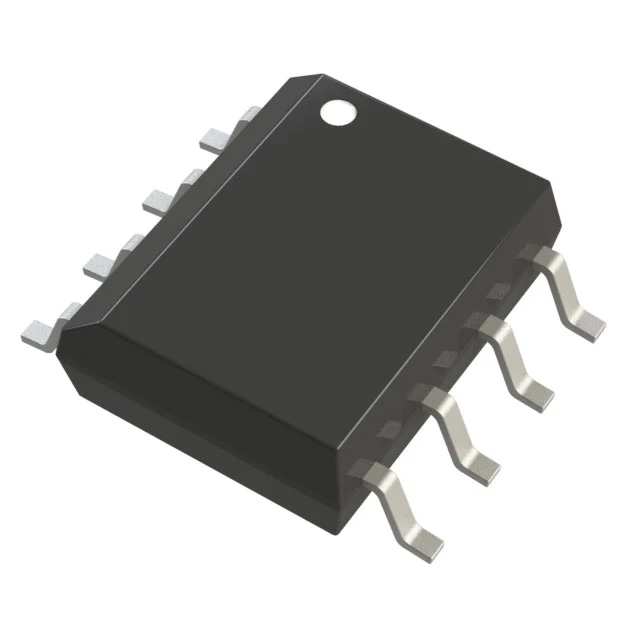
CPU12 HC12 Microcontroller IC 16-Bit 8MHz 32KB (32K x 8) FLASH 80-QFP (14x14)
|
5086
|
80-QFP
|
|
||||||||||||||||||||||||||||||||||||
|
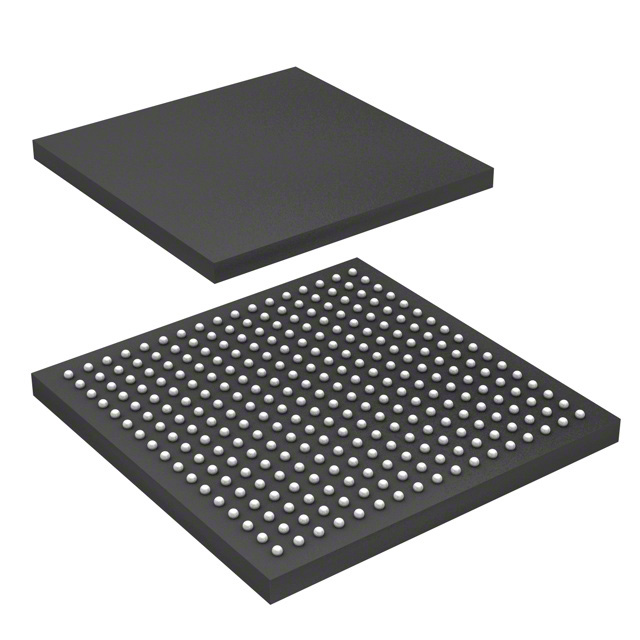
Battery Battery Cell Controller IC Lithium Ion 48-HLQFP (7x7)
|
2724
|
48-LQFP Exposed Pad
|
|
||||||||||||||||||||||||||||||||||||
|
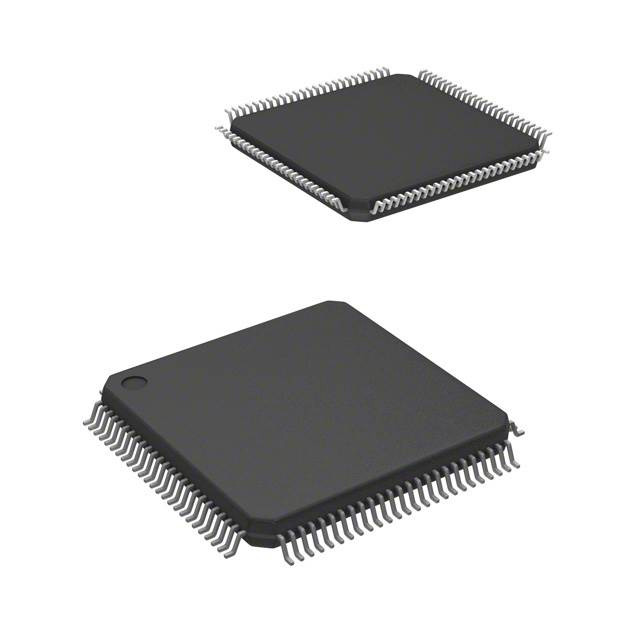
Monostable Multivibrator 25 ns 16-SSOP
|
3035
|
16-SSOP (0.209", 5.30mm Width)
|
|
||||||||||||||||||||||||||||||||||||
|
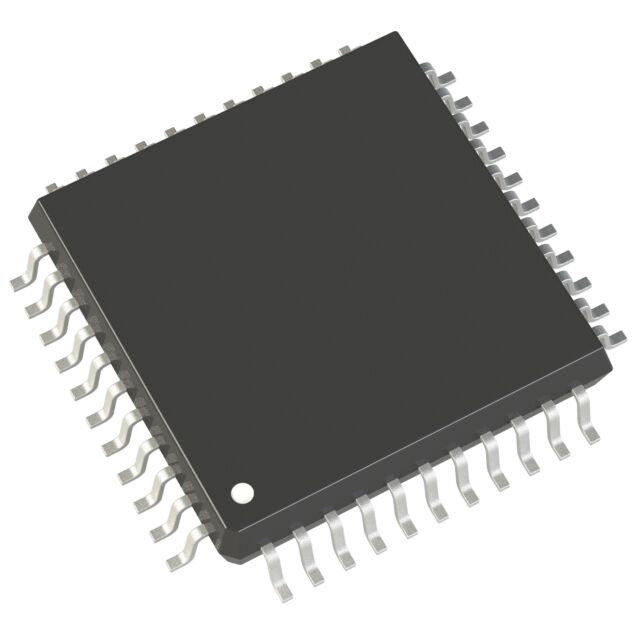
ZIGBEE PRO AND IEEE802.15.4 MODU
|
9028
|
|
|||||||||||||||||||||||||||||||||||||
|
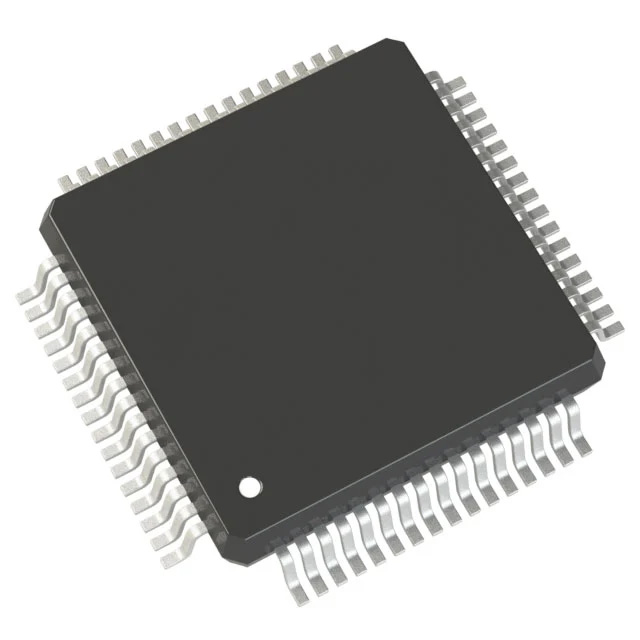
12V1 HCS12 Microcontroller IC 16-Bit 25MHz 48KB (48K x 8) FLASH 48-LQFP (7x7) Introduction The MC9S12G-Family is an optimized, automotive, 16-bit microcontroller product line focused on low-cost, high-performance, and low pin-count. This family is intended to bridge between high-end 8-bit microcontrollers and high-performance 16-bit microcontrollers, such as the MC9S12XS-Family. The MC9S12G-Family is targeted at generic automotive applications requiring CAN or LIN/J2602 communication. Typical examples of these applications include body controllers, occupant detection, door modules, seat controllers, RKE receivers, smart actuators, lighting modules, and smart junction boxes. The MC9S12G-Family uses many of the same features found on the MC9S12XS- and MC9S12P-Family, including error correction code (ECC) on flash memory, a fast analog-to-digital converter (ADC) and a frequency modulated phase locked loop (IPLL) that improves the EMC performance. The MC9S12G-Family is optimized for lower program memory sizes down to 16k. In order to simplify customer use it features an EEPROM with a small 4 bytes erase sector size. The MC9S12G-Family deliver all the advantages and efficiencies of a 16-bit MCU while retaining the low cost, power consumption, EMC, and code-size efficiency advantages currently enjoyed by users of NXP’s existing 8-bit and 16-bit MCU families. Like the MC9S12XS-Family, the MC9S12G-Family run 16-bit wide accesses without wait states for all peripherals and memories. The MC9S12G-Family is available in 100-pin LQFP, 64-pin LQFP, 48-pin LQFP/QFN, 32-pin LQFP and 20-pin TSSOP package options and aims to maximize the amount of functionality especially for the lower pin count packages. In addition to the I/O ports available in each module, further I/O ports are available with interrupt capability allowing wake-up from stop or wait modes. Chip-Level Features On-chip modules available within the family include the following features: • S12 CPU core • Up to 240 Kbyte on-chip flash with ECC • Up to 4 Kbyte EEPROM with ECC • Up to 11 Kbyte on-chip SRAM • Phase locked loop (IPLL) frequency multiplier with internal filter • 4–16 MHz amplitude controlled Pierce oscillator • 1 MHz internal RC oscillator • Timer module (TIM) supporting up to eight channels that provide a range of 16-bit input capture, output compare, counter, and pulse accumulator functions • Pulse width modulation (PWM) module with up to eight x 8-bit channels • Up to 16-channel, 10 or 12-bit resolution successive approximation analog-to-digital converter (ADC) • Up to two 8-bit digital-to-analog converters (DAC) • Up to one 5V analog comparator (ACMP) • Up to three serial peripheral interface (SPI) modules • Up to three serial communication interface (SCI) modules supporting LIN communications • Up to one multi-scalable controller area network (MSCAN) module (supporting CAN protocol 2.0A/B) • On-chip voltage regulator (VREG) for regulation of input supply and all internal voltages • Autonomous periodic interrupt (API) • Precision fixed voltage reference for ADC conversions • Optional reference voltage attenuator module to increase ADC accuracy |
8867
|
48-LQFP
|
|
||||||||||||||||||||||||||||||||||||
|
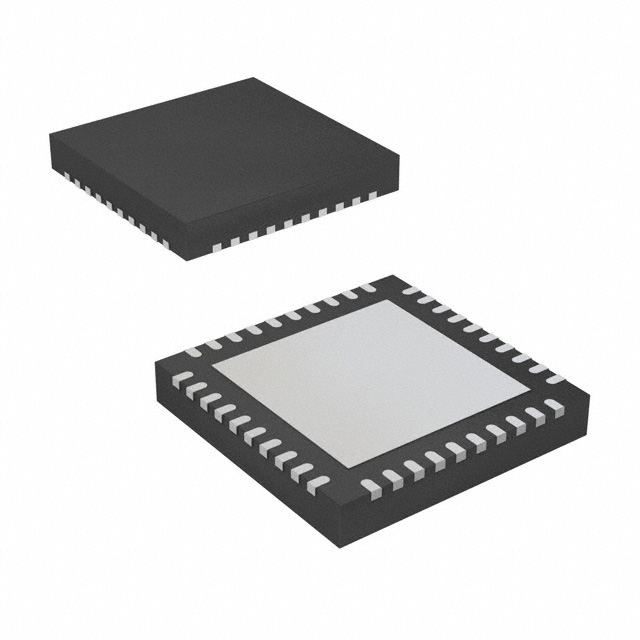
HC08 HC08 Microcontroller IC 8-Bit 8MHz 16KB (16K x 8) FLASH 28-PDIP
|
1487
|
28-DIP (0.600", 15.24mm)
|
|
||||||||||||||||||||||||||||||||||||
|
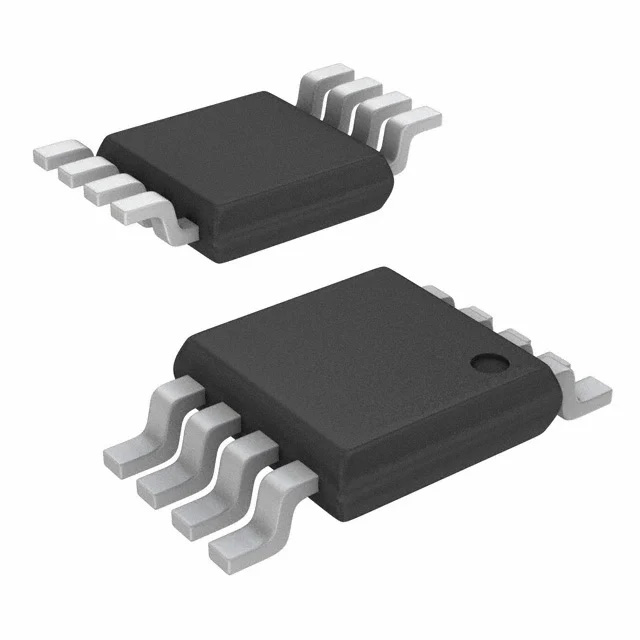
RF Mosfet 28 V 1.3 A 2.39GHz 15.2dB 28W NI-880S
|
7888
|
NI-880S
|
|
||||||||||||||||||||||||||||||||||||
|
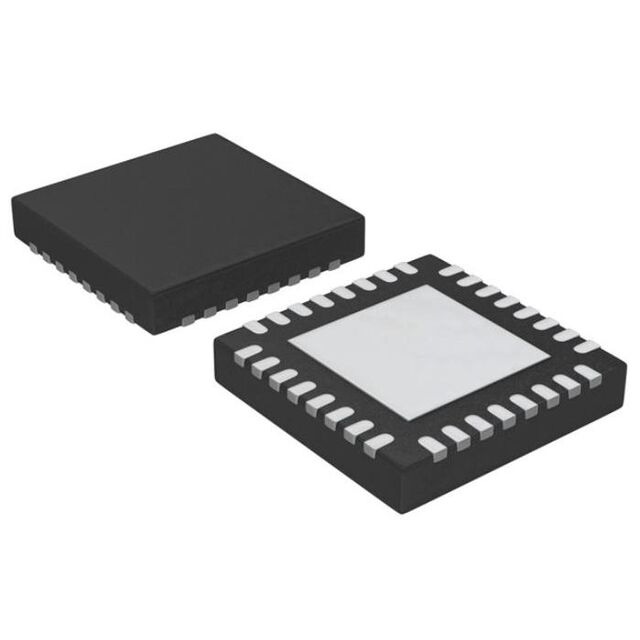
HC08 HC08 Microcontroller IC 8-Bit 8MHz 16KB (16K x 8) FLASH 32-LQFP (7x7)
|
8174
|
32-LQFP
|
|
||||||||||||||||||||||||||||||||||||
|
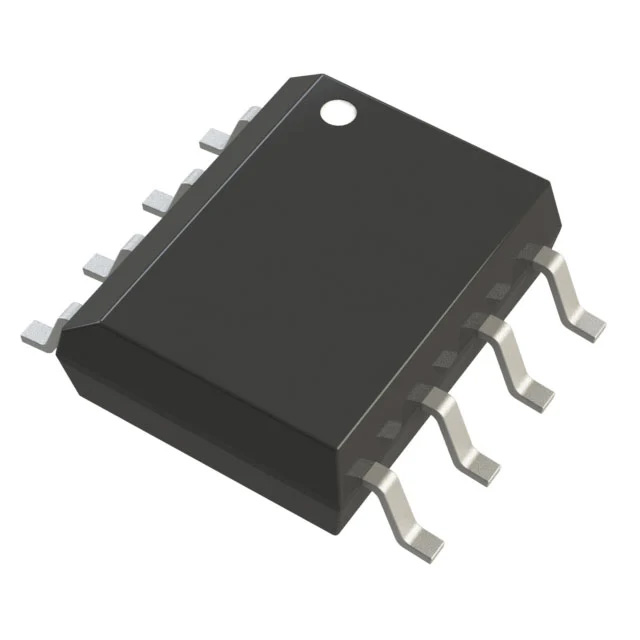
PowerPC e500v2 Microprocessor IC QorIQ P1 1 Core, 32-Bit 1.067GHz 689-TEPBGA II (31x31)
|
1251
|
689-BBGA Exposed Pad
|
|
||||||||||||||||||||||||||||||||||||
|
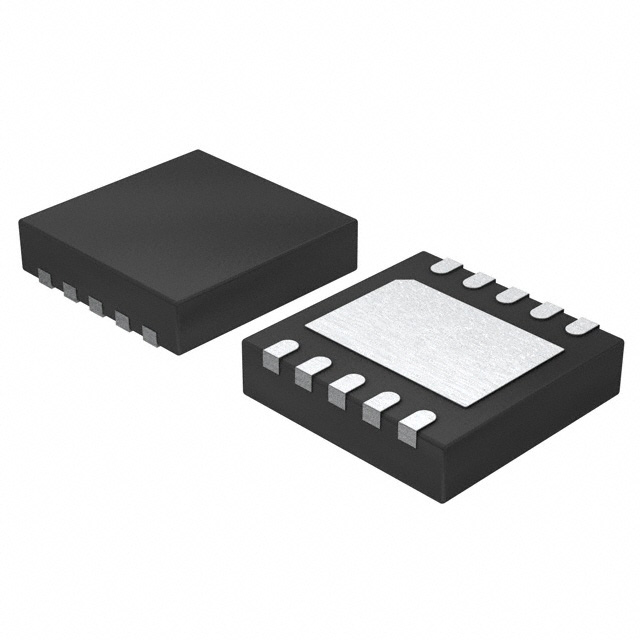
S12Z S12 MagniV Microcontroller IC 16-Bit 32MHz 64KB (64K x 8) FLASH 48-LQFP (7x7)
|
7363
|
48-LQFP
|
|
||||||||||||||||||||||||||||||||||||
|
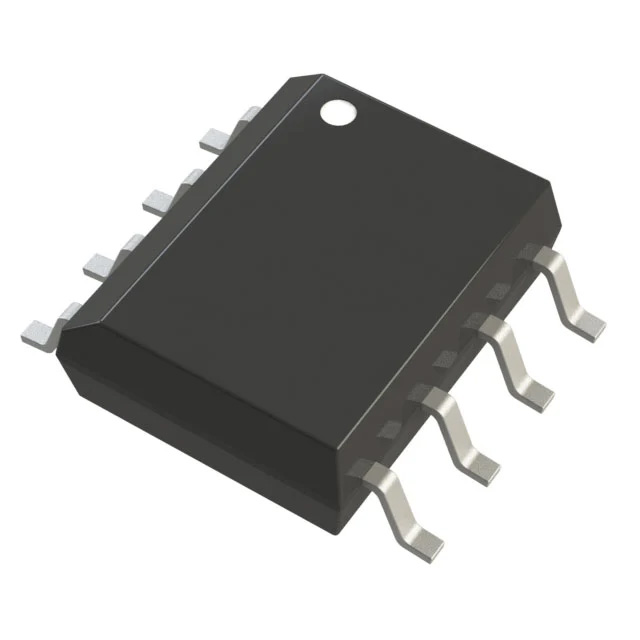
SECURE AUTHENTICATION
|
10
|
8-VDFN Exposed Pad
|
|
||||||||||||||||||||||||||||||||||||
|
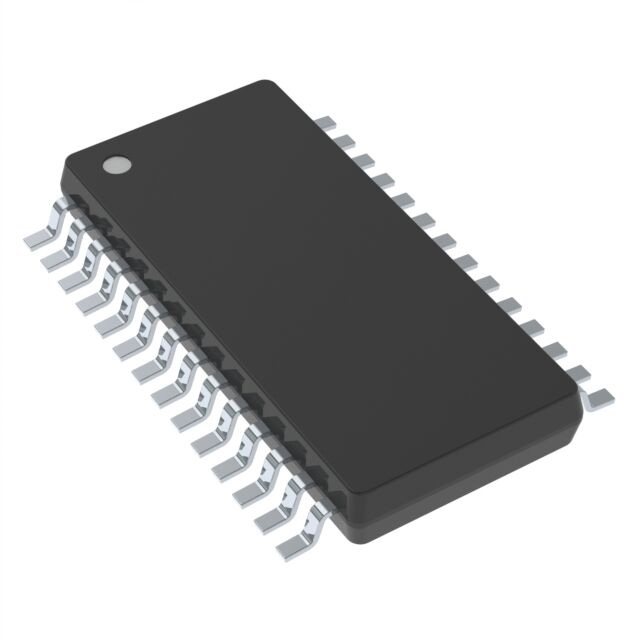
Inverter IC 6 Channel Schmitt Trigger 14-SSOP
|
3
|
14-SSOP (0.209", 5.30mm Width)
|
|
||||||||||||||||||||||||||||||||||||
|
S08 S08 Microcontroller IC 8-Bit 20MHz 8KB (8K x 8) FLASH 20-TSSOP
|
6036
|
20-TSSOP (0.173", 4.40mm Width)
|
|
||||||||||||||||||||||||||||||||||||
|
12V1 HCS12 Microcontroller IC 16-Bit 25MHz 48KB (48K x 8) FLASH 64-LQFP (10x10) Introduction The MC9S12G-Family is an optimized, automotive, 16-bit microcontroller product line focused on low-cost, high-performance, and low pin-count. This family is intended to bridge between high-end 8-bit microcontrollers and high-performance 16-bit microcontrollers, such as the MC9S12XS-Family. The MC9S12G-Family is targeted at generic automotive applications requiring CAN or LIN/J2602 communication. Typical examples of these applications include body controllers, occupant detection, door modules, seat controllers, RKE receivers, smart actuators, lighting modules, and smart junction boxes. The MC9S12G-Family uses many of the same features found on the MC9S12XS- and MC9S12P-Family, including error correction code (ECC) on flash memory, a fast analog-to-digital converter (ADC) and a frequency modulated phase locked loop (IPLL) that improves the EMC performance. The MC9S12G-Family is optimized for lower program memory sizes down to 16k. In order to simplify customer use it features an EEPROM with a small 4 bytes erase sector size. The MC9S12G-Family deliver all the advantages and efficiencies of a 16-bit MCU while retaining the low cost, power consumption, EMC, and code-size efficiency advantages currently enjoyed by users of NXP’s existing 8-bit and 16-bit MCU families. Like the MC9S12XS-Family, the MC9S12G-Family run 16-bit wide accesses without wait states for all peripherals and memories. The MC9S12G-Family is available in 100-pin LQFP, 64-pin LQFP, 48-pin LQFP/QFN, 32-pin LQFP and 20-pin TSSOP package options and aims to maximize the amount of functionality especially for the lower pin count packages. In addition to the I/O ports available in each module, further I/O ports are available with interrupt capability allowing wake-up from stop or wait modes. Chip-Level Features On-chip modules available within the family include the following features: • S12 CPU core • Up to 240 Kbyte on-chip flash with ECC • Up to 4 Kbyte EEPROM with ECC • Up to 11 Kbyte on-chip SRAM • Phase locked loop (IPLL) frequency multiplier with internal filter • 4–16 MHz amplitude controlled Pierce oscillator • 1 MHz internal RC oscillator • Timer module (TIM) supporting up to eight channels that provide a range of 16-bit input capture, output compare, counter, and pulse accumulator functions • Pulse width modulation (PWM) module with up to eight x 8-bit channels • Up to 16-channel, 10 or 12-bit resolution successive approximation analog-to-digital converter (ADC) • Up to two 8-bit digital-to-analog converters (DAC) • Up to one 5V analog comparator (ACMP) • Up to three serial peripheral interface (SPI) modules • Up to three serial communication interface (SCI) modules supporting LIN communications • Up to one multi-scalable controller area network (MSCAN) module (supporting CAN protocol 2.0A/B) • On-chip voltage regulator (VREG) for regulation of input supply and all internal voltages • Autonomous periodic interrupt (API) • Precision fixed voltage reference for ADC conversions • Optional reference voltage attenuator module to increase ADC accuracy |
1969
|
64-LQFP
|
|
||||||||||||||||||||||||||||||||||||
|
S08 S08 Microcontroller IC 8-Bit 40MHz 48KB (48K x 8) FLASH 48-QFN-EP (7x7)
|
3866
|
48-VFQFN Exposed Pad
|
|
||||||||||||||||||||||||||||||||||||
|
RF Mosfet 28 V 950 mA 880MHz 20.2dB 27W TO-270 WB-4
|
3109
|
TO-270-4
|
|
||||||||||||||||||||||||||||||||||||
|
RS08 RS08 Microcontroller IC 8-Bit 20MHz 8KB (8K x 8) FLASH 16-TSSOP
|
4365
|
16-TSSOP (0.173", 4.40mm Width)
|
|
||||||||||||||||||||||||||||||||||||
|
e200z7 MPC56xx Qorivva Microcontroller IC 32-Bit Single-Core 264MHz 4MB (4M x 8) FLASH 516-PBGA (27x27)
|
2628
|
516-BBGA
|
|
||||||||||||||||||||||||||||||||||||
|
- Microcontroller IC
|
3292
|
|
|||||||||||||||||||||||||||||||||||||

|
FS32K146HAT0MLHT
|
999
|
-
|
$25.64
|
||||||||||||||||||||||||||||||||||||